An engineer on my team stopped me in a corridor about ten years ago and said, "the way you handled the outage call last night... you kept everybody calm and nobody got blamed. Thanks."
Eight seconds. No ask attached. I have forgotten most of the praise I received from my own bosses across thirty years. I have not forgotten those eight seconds.
Here is what bothers me about it. Nobody taught them to do it, no program prompted it, and in a decade since, I have watched almost nobody else do the same thing.
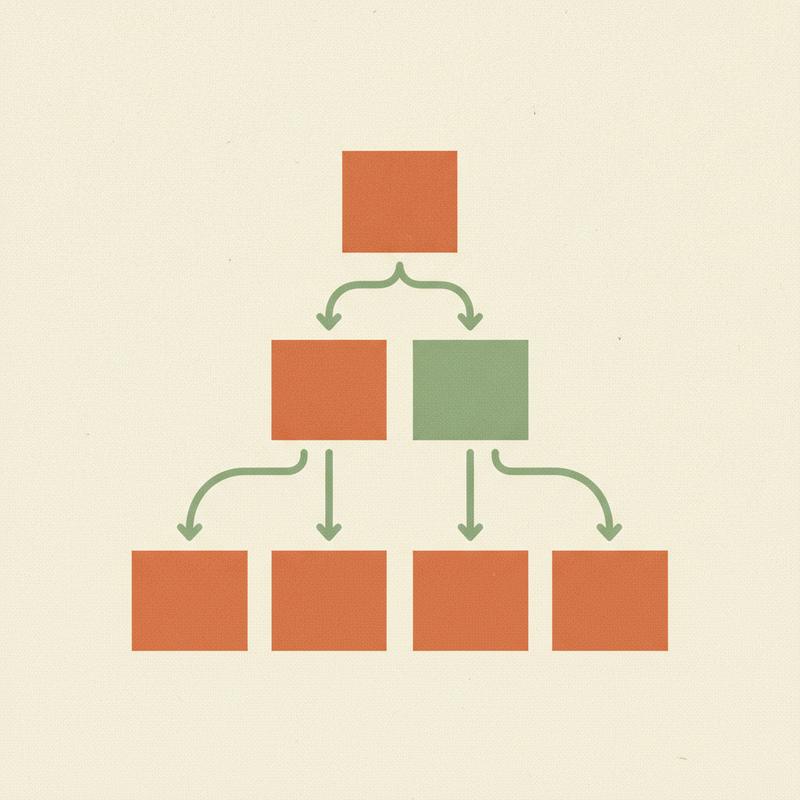
Your recognition system is a one-way valve
Look at how recognition is built where you work. A manager nominates a report. A director approves a spot bonus. A peer-to-peer tool lets you send a badge sideways to somebody at your level. Every path points down or across.
Nothing points up. The plumbing does not exist. And because the plumbing does not exist, the behavior reads as strange when somebody attempts it.
Debra Corey makes this point better than I do: recognition is not top-down, and appreciation flowing across all levels, including up to leadership, is what strengthens a culture. She is right, and engineering orgs are among the worst offenders.
We build feedback loops for a living. Monitoring, alerting, retros, error budgets. We understand a system with no return path is a broken system. Then we design a human feedback loop with the return path missing and wonder why the person at the top of it goes dark.
The person above you is doing worse than you think
Gallup's 2026 global workplace data is bleak reading, and the manager cut is the part nobody quotes.
Global employee engagement sits at 20%, down from 21% the year before. Managers score slightly higher at 22% against 19% for individual contributors, and people wave the number around as proof managers are fine.
Look at the other two numbers. 45% of managers experienced stress a lot of the previous day, against 39% of individual contributors. 23% of managers experienced loneliness a lot of the previous day, against 21%.
More stress. More loneliness. Gallup's own reporting says lower engagement among managers accounts for much of the downturn in overall engagement since 2023.
Your engineering manager is the most isolated person in the room, and the org chart guarantees the isolation. Their peers are competing with them for headcount. Their boss evaluates them. Their reports are the one group with an honest view of their daily work, and every incentive in the building tells those reports to keep quiet about it.

The gap sits exactly where leadership lives
The 2026 Edelman Trust Barometer found 78% of people trust their employer to do the right thing, the highest score of any institution in the study. In the same survey, 75% said CEOs are obligated to help bridge trust divides, while only 44% think they do it well.
People trust the company. They doubt the human being running it. A 29 point gap, and it opens up at the exact spot where feedback stops arriving.
My own survey work says something similar from the other side. 99.5% of respondents told me they have had one or more types of bad boss. Not 60%. Not 80%. Effectively everybody.
Run those two findings together and you get an uncomfortable conclusion. Most bosses are bad. Most bosses were themselves managed by a bad boss. Nobody ever told them, in plain language, which of their behaviors landed well. They are pattern-matching in the dark, on a signal made entirely of complaints and escalations.
"It looks like sucking up"
This is the objection every engineer raises, and it deserves a straight answer.
Sucking up is generic, public, and attached to a request. "Great leadership on this project" in a Slack channel two weeks before promotion round is sucking up. Everyone in the channel knows it. So does the manager.
Recognition is specific, behavioral, and unattached. "When you pushed back on the deadline in front of the VP, it meant I did not have to fake an estimate. Thank you." Nobody reads a sentence like this as career strategy, because a strategist would never bother with the detail.
The test is simple. If your praise would work verbatim for any manager in the company, it is noise. If it names a decision only somebody in the room would notice, it is recognition.
Specificity is the whole difference. A generic thank-you costs nothing and communicates nothing. A specific one tells the person which behavior to repeat, and repeating good behavior is the entire point.
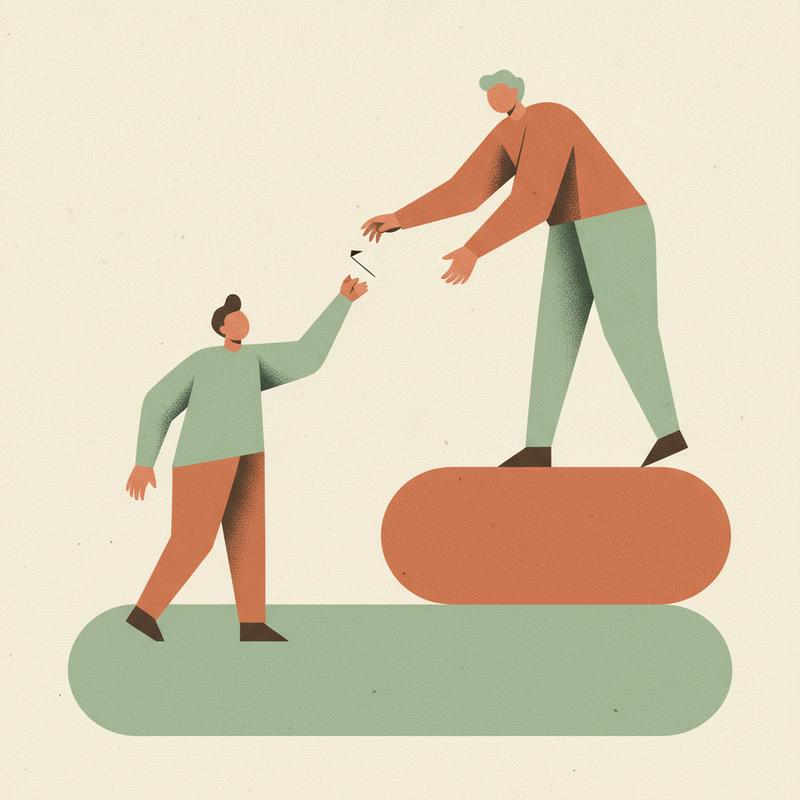
Four moves engineers use without cringing
Name the shield. Managers absorb hits their teams never see. Scope pushed back. A political request refused. A blame-hunting exec redirected. When you catch a glimpse of one, say so. "I noticed the scope did not grow this sprint. I know it was not free." Shield work is invisible by design, which means it goes unpaid unless somebody names it.
Credit the unblock. Your manager cleared a vendor contract, got you a staging environment, killed a meeting series. Small, boring, and it took a week of somebody else's political capital. Say the specific thing out loud in the retro.
Tell their boss, not them. Recognition routed to a skip-level lands harder and costs you less awkwardness. One sentence, factual, in a skip-level one-to-one. It reaches performance review season without your fingerprints on it.
Put it in writing. Verbal praise evaporates. A three-line message survives, gets forwarded, and gets reread on a bad Tuesday. I still have a couple of those from a decade ago.
None of this needs a program, a budget, or a platform. Debra Corey's zero-budget point holds here. The scarce resource is attention, not money.
What upward recognition does to the system
Three things happen, and none of them are soft.
You get more of what you name. Reinforcement works on your boss the same way it works on everything else. The manager who hears "your pushback on the deadline mattered" pushes back again next quarter. Nobody is above a feedback loop.
You buy honest information. A manager receiving zero signal from below writes their own story about how it is going, and the story is usually wrong in a self-protective direction. Naming one real thing gives them a fixed point to navigate from.
You lower your own risk. Your manager quitting or burning out is one of the largest deliverable risks on your project, and it is the one risk nobody logs. 45% daily stress is not a wellbeing statistic. It is a bus factor.
Start smaller than feels worthwhile
Do not build a program. Do not propose upward recognition as an initiative in the next all-hands. It dies the moment it has a name and a form to fill in.
Pick one manager. Think of one specific thing they did in the last month with no reward attached. Send three sentences. Include no request of any kind in the same message, in the same week if you have the discipline.
Then watch what changes... not in them, in what you notice afterwards. It is difficult to keep believing everyone above you is useless once you have made yourself look for evidence to the contrary.
I write more about the manager side of this problem over at Step It Up HR.
So: who is the most isolated person in your reporting line, and when did anybody last tell them something specific and good?