Most leaders I know end the day with a scorecard nobody asked them to keep.
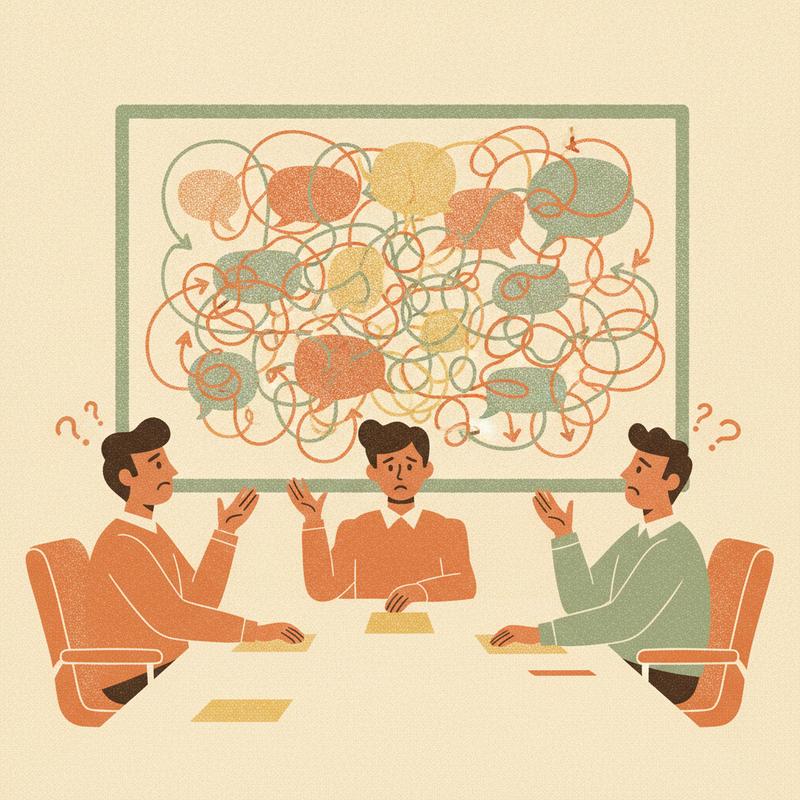
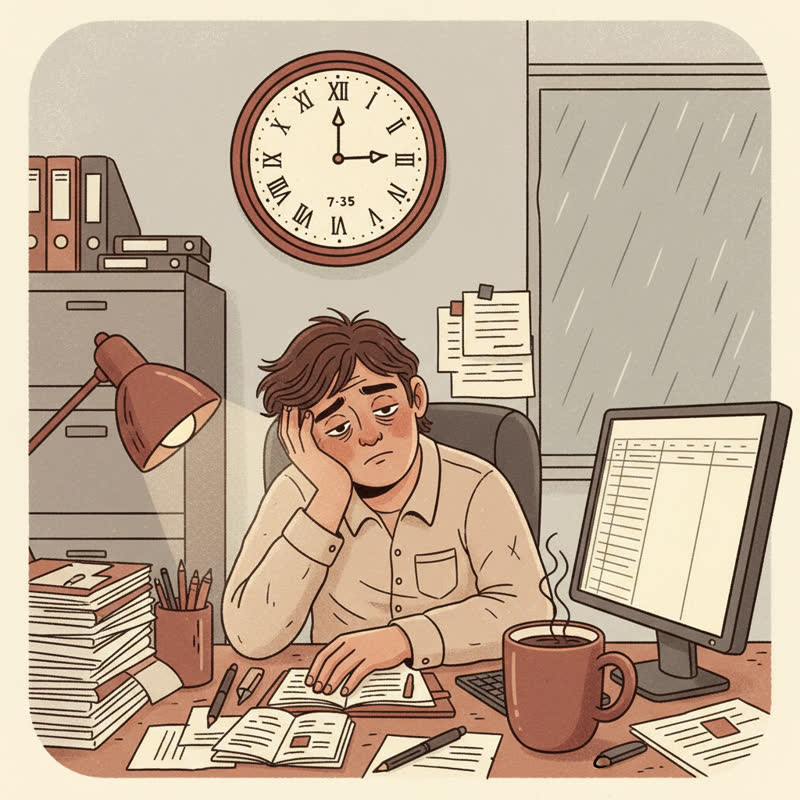
Inbox count. Meetings survived. Fires put out. We tally what happened to us and call it reflection.
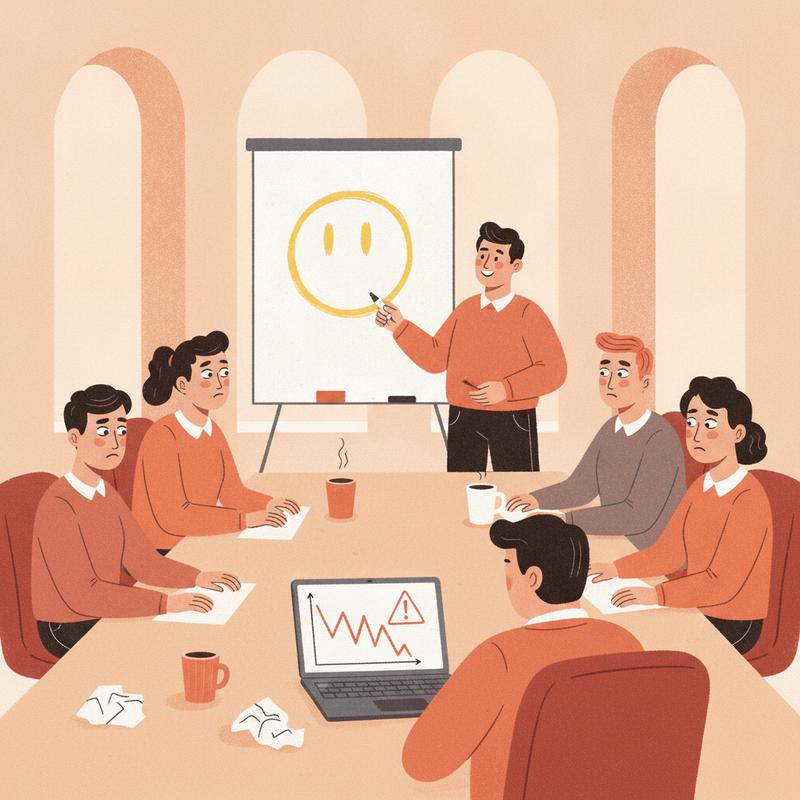
I've done it too. Driving home, replaying the day like a highlight reel of other people's mistakes. The late release. The stakeholder who changed his mind. The engineer who went quiet in standup. By the time I pulled into the driveway, I had a clear verdict on everyone's performance except my own.
Then I heard Garry Ridge describe a habit which rearranged how I think about leadership accountability. It's six words long.
Six Words From a Former CEO
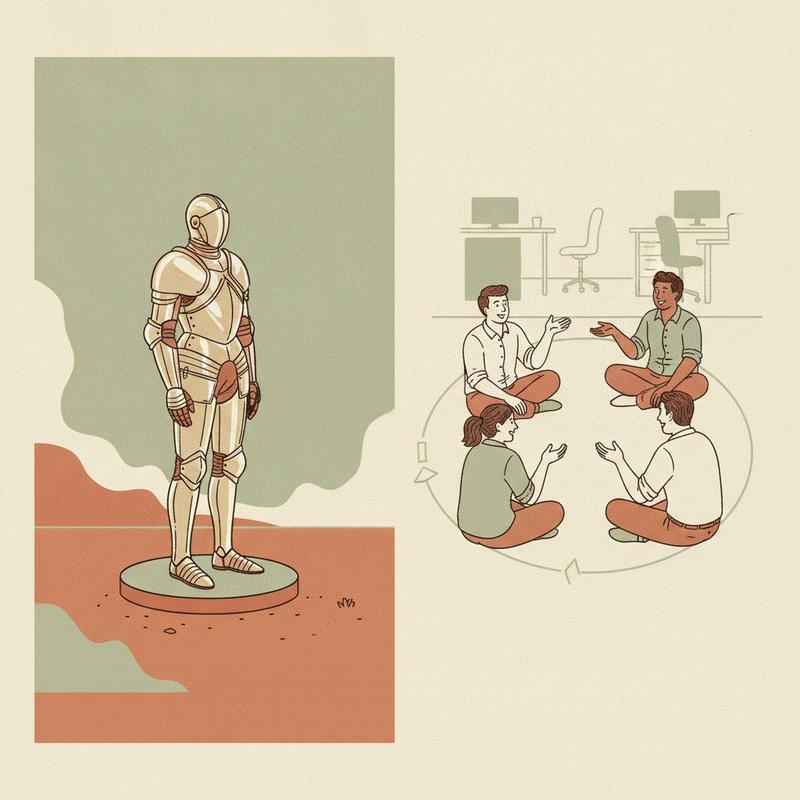
Garry ran WD-40 Company as CEO for more than 25 years. I had the pleasure of interviewing him on Corey-osity Unleashed, and he's the least pompous CEO I've ever met. He calls himself a "dumbass" and means it as a job requirement.
In a conversation on the Partnering Leadership podcast, Garry explained where the habit comes from. Marshall Goldsmith, the executive coach, built a practice called the Daily Questions. Garry teaches it at the University of San Diego. One of his own questions is simple:
"Did I do my best to learn today?"
He described coaching a CEO who wanted to learn more and exercise more but had no time for either. Garry's fix was practical... put your headphones on and listen to a book while you walk in the morning. Two questions answered with one habit.
The question works because of the first six words. "Did I do my best to..."
Active Questions Beat Passive Ones
Goldsmith picked up the idea from his daughter, Dr. Kelly Goldsmith, a behavioral scientist at the Kellogg School of Management. She pointed out the difference between two kinds of questions.
A passive question asks about your circumstances. "Were you happy today?" "Do you have clear goals?"
An active question asks about your effort. "Did you do your best to be happy today?" "Did you do your best to set clear goals today?"
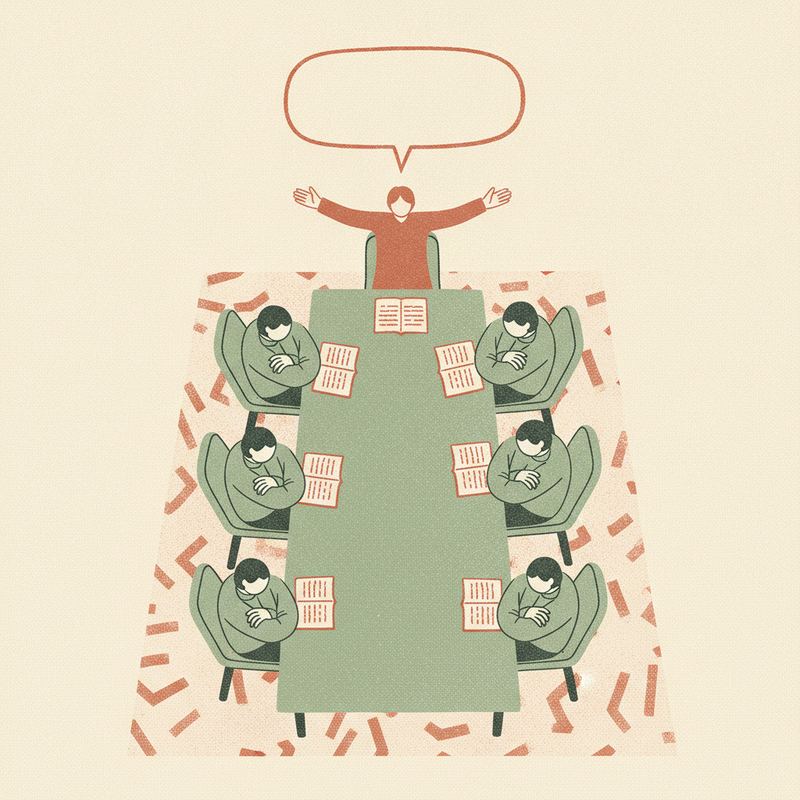
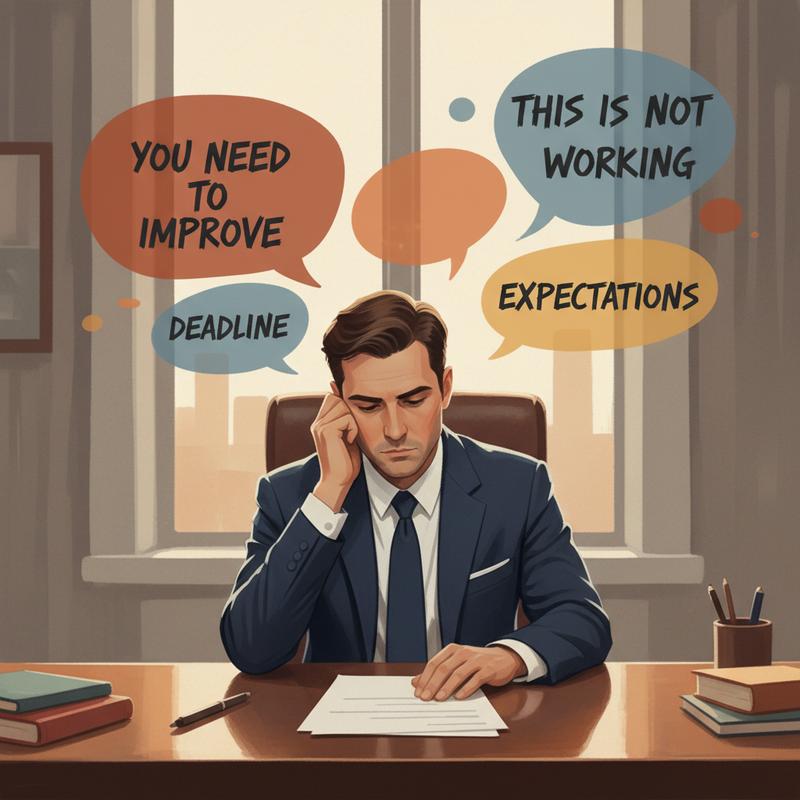
The first version hands you an excuse on a plate. You weren't happy because your boss was a pain. You don't have clear goals because the strategy keeps changing. Every answer points outward.
The second version takes the excuse away. Your boss might still be a pain. The question is what YOU did about your own day. As Duke Corporate Education puts it, the active version shifts responsibility inward instead of blaming external circumstances.
Goldsmith's six starter questions, from his own site:
- Did I do my best to set clear goals today?
- Did I do my best to make progress towards my goals today?
- Did I do my best to find meaning today?
- Did I do my best to be happy today?
- Did I do my best to build positive relationships today?
- Did I do my best to be engaged today?
Does It Work?
Goldsmith tested it. According to The National's interview with him, more than 2,500 people answered the six active questions every day. After two weeks, 37% said they had improved on all six. 65% improved on at least four.
I'd treat those numbers with some care. They come from Goldsmith's own research, and people rated themselves. I'm not sure about this part: I couldn't find a peer-reviewed write-up of the study, so I don't know how it controlled for people who wanted to see improvement.
The broader science is on firmer ground. A 2016 meta-analysis in Psychological Bulletin pooled 138 studies with 19,951 participants and found monitoring your progress helps you reach your goals. The effect grew stronger when people wrote their progress down or reported it to someone else.
Written down. Reported to someone. Hold on to those two details.
The Phone Call
Here's the part of Goldsmith's practice most people skip.
For 27 years, he has had a friend call him every night and ask him his questions. By his own account in the same interview, he runs through 22 of them before bed and still rarely gets a perfect score.

A world-famous executive coach, a man who charges serious money to fix other people's behavior, needs a nightly phone call to keep his own habits honest. There's a lesson in the humility there.
He also says at least half of people quit within two weeks. His reason surprised me. They don't quit because it fails. They quit because it works, and working means facing the gap between the leader you think you are and the one who showed up today.
The gap is uncomfortable. Most of us would rather not look.
Why Leaders Need This More Than Anyone
My research found 99.5% of survey respondents said they've had one or more types of bad boss. Ninety-nine point five.
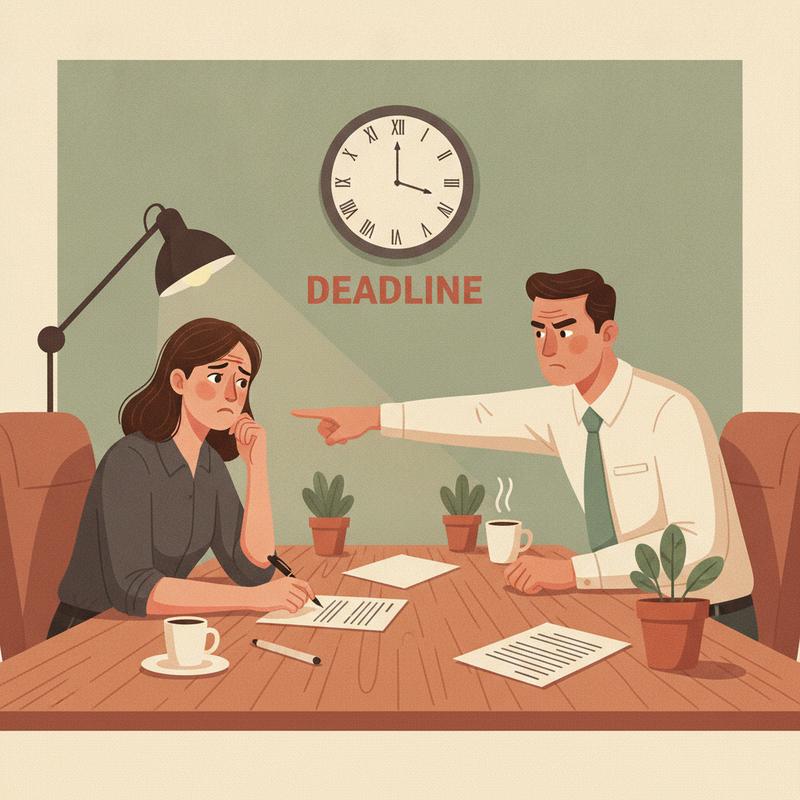
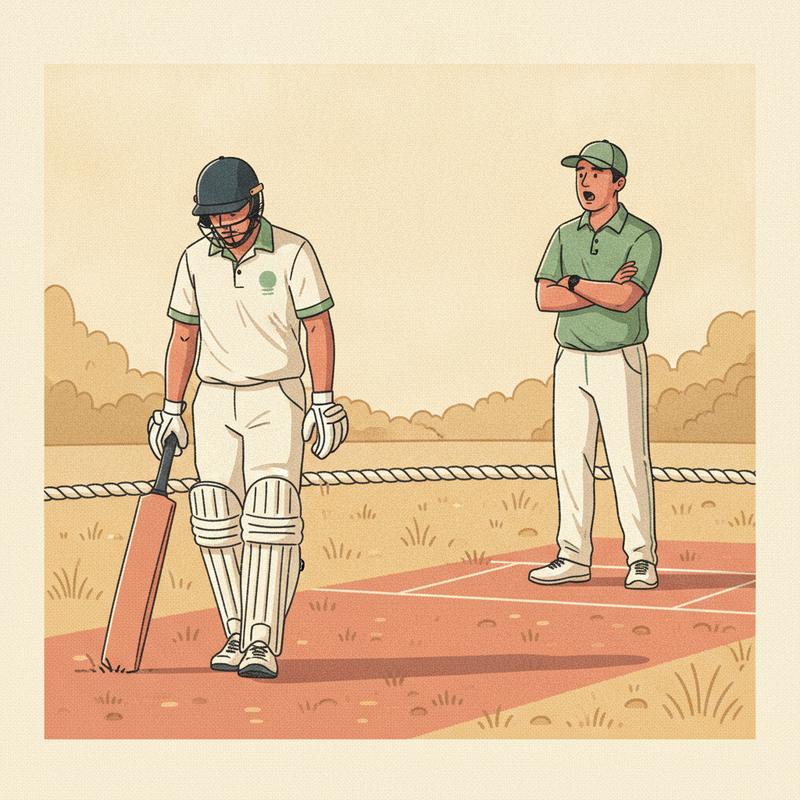
Here's what bothers me about the number. Almost none of those bosses would describe themselves as bad. Ask them and they'll tell you about their open-door policy and their deadlines and their difficult team.
Passive questions protect bad bosses. "Was my team engaged today?" lets you blame the team. "Did I do my best to help my team stay engaged today?" puts your name on the answer.
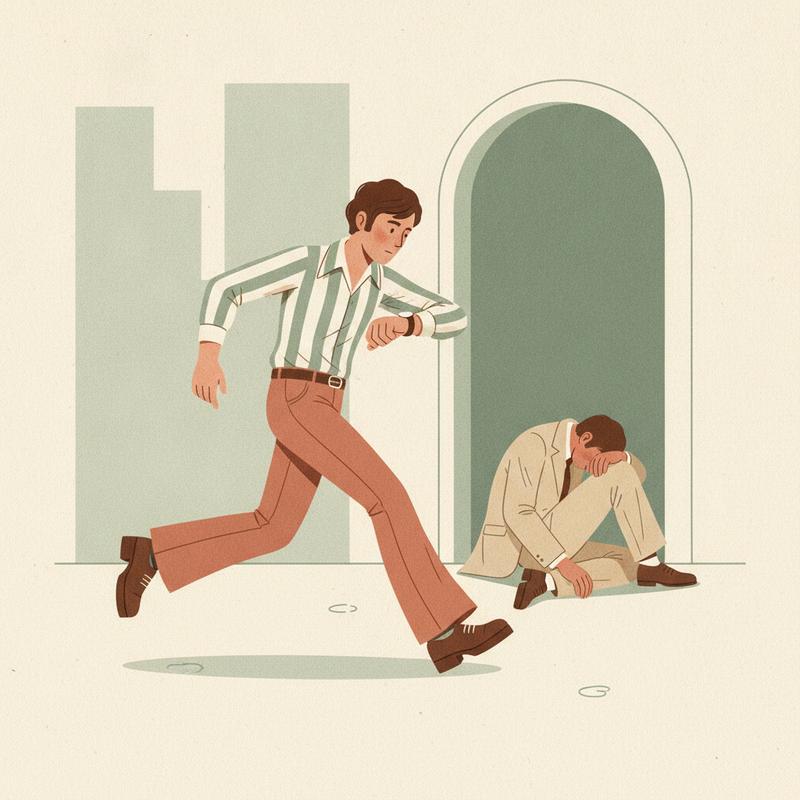
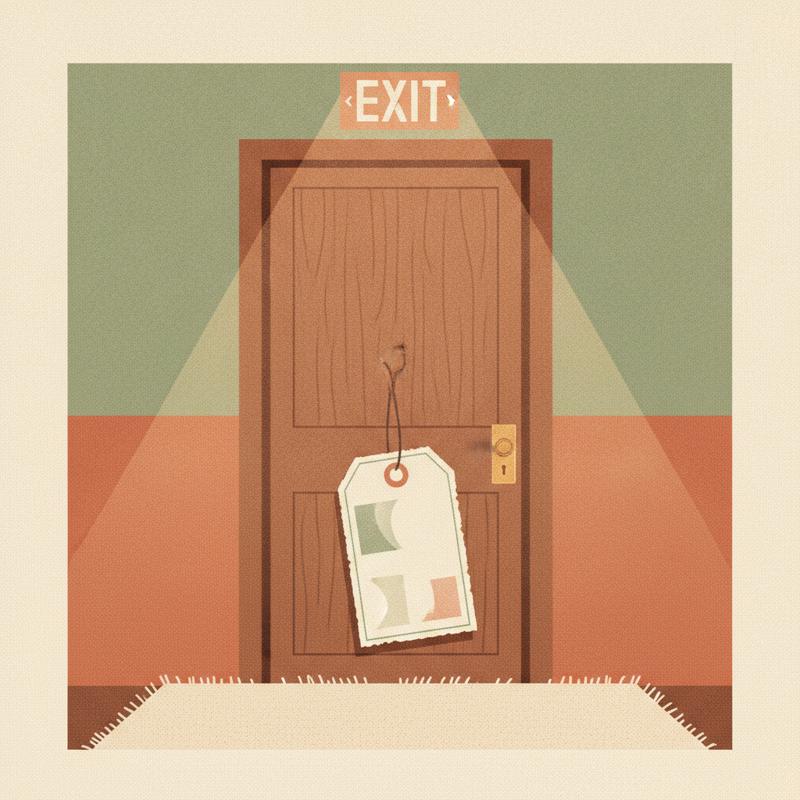
I saw a thread trending on Reddit this week where people shared the worst ways they'd been fired. One person found out from a notice taped to a door. Somewhere, a manager went home after it and thought the day went fine. Nobody asked them a single question about effort.
How to Start
Don't start with 22 questions. You'll quit inside a week. Keep it short, and adapt the list to whatever you're working on. If I were starting from scratch tomorrow, mine would look like this:
- Did I do my best to listen more than I talked today?
- Did I do my best to say thank you to someone specific today?
- Did I do my best to learn something today?
- Did I do my best to be present at home tonight?
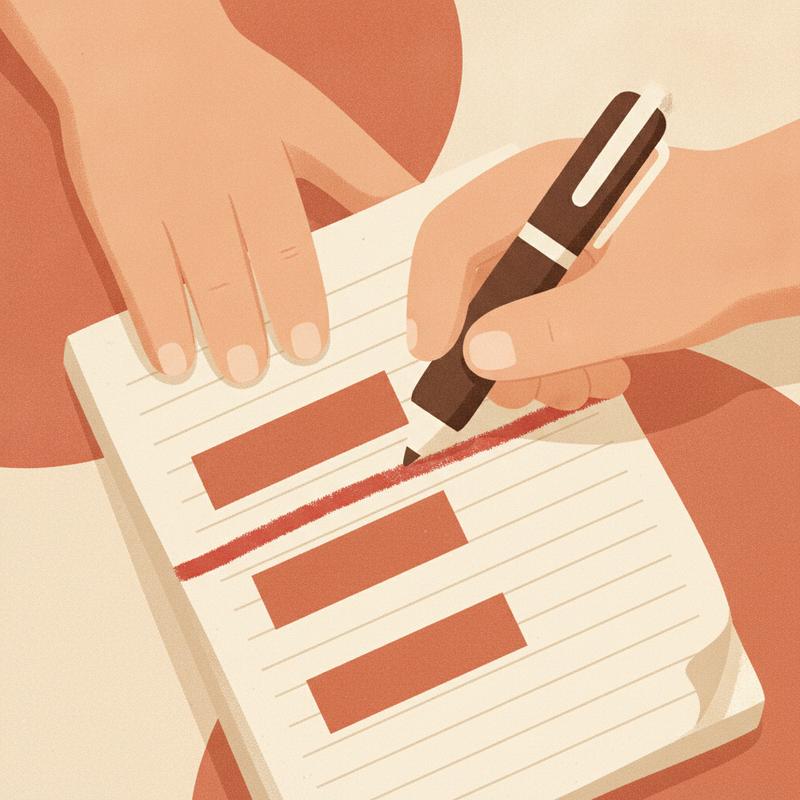
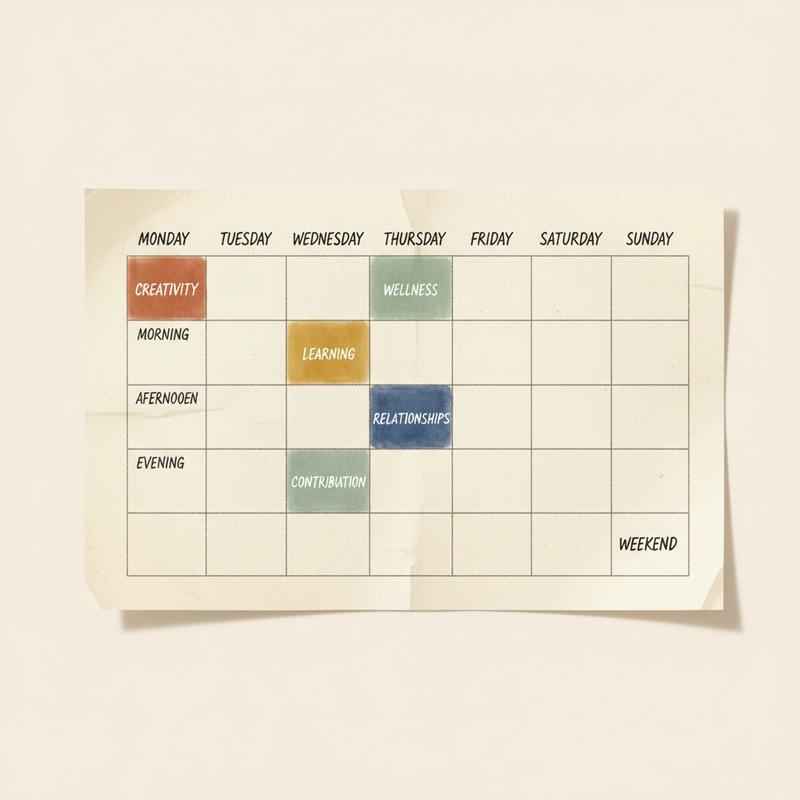
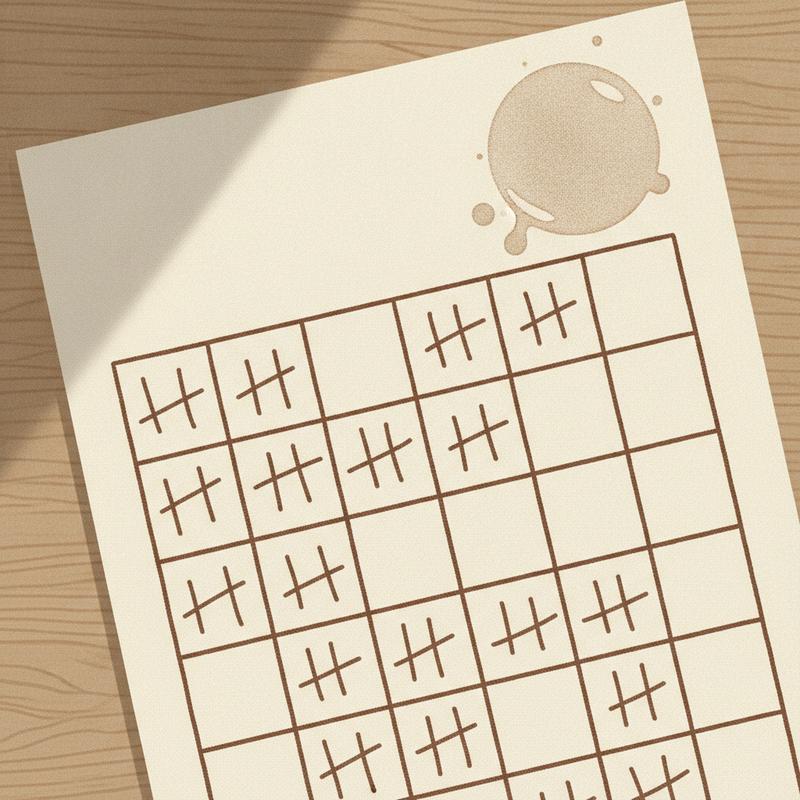
Score each one from 1 to 10 on a scrap of paper. The number matters less than the pattern. When one question sits at a 3 for a week, you know where your attention went, and it wasn't where you said it would go.
A few things worth knowing before you begin:
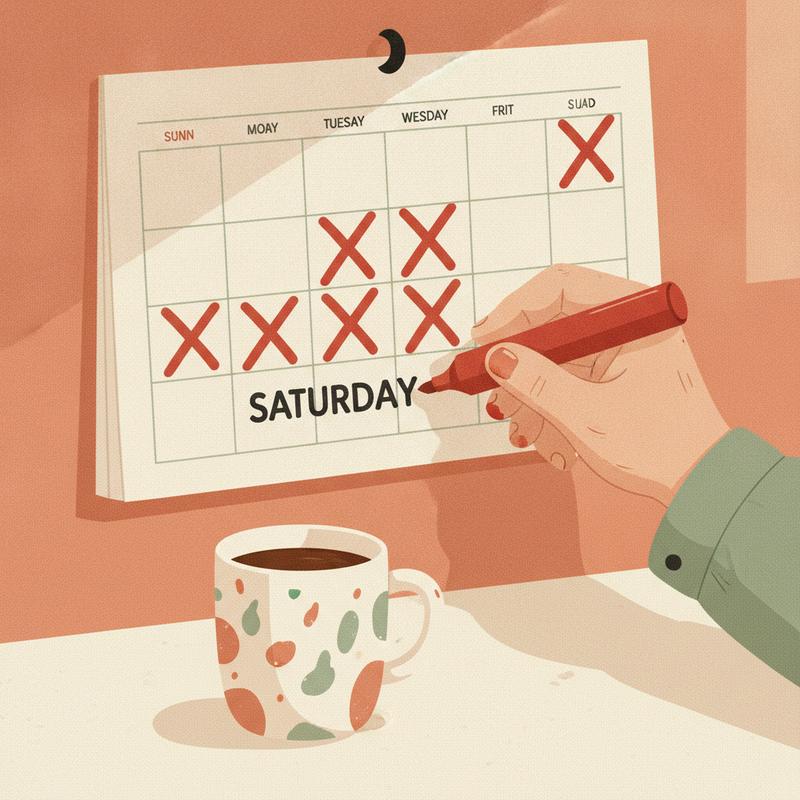
Write it down. The meta-analysis backs this up. Answering in your head turns into a vague "yeah, pretty good" every night.
Tell someone. You don't need a nightly phone call. A weekly check-in with a partner, a friend or a coach does plenty. Saying a low score out loud stings more than writing it, and the sting does the work.
Keep the questions about effort. The moment a question slips into outcomes... "Did the project ship?" "Was the meeting good?" ... you're back to grading the world instead of yourself.
Change the list. When a question stays at 9 or 10 for a month, the habit has stuck. Swap it for the next thing you want to work on.
Try It Tonight
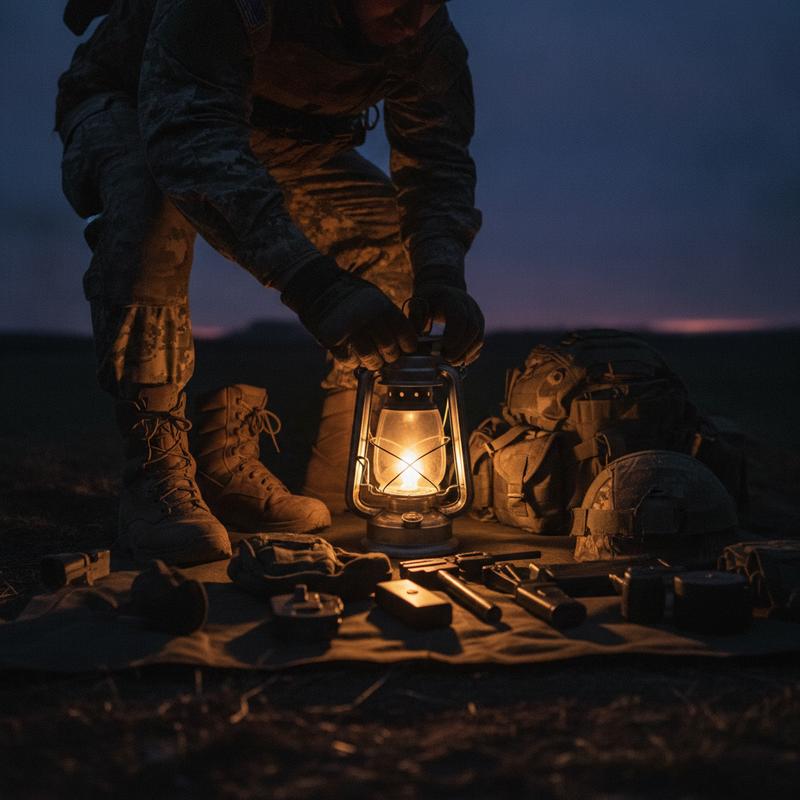
In the Army we ran after-action reviews. The point was never blame. The point was to look at what we did, honestly, while it was fresh, so the next mission went better. Daily questions work the same way for a leader. Small. Fast. Every day.
So here's your assignment. Before bed tonight, pick three things you say matter to you as a leader. Turn each one into a question starting with "Did I do my best to..." Score yourself from 1 to 10. Write the numbers down.
Do it for two weeks. Then tell me you didn't learn something about yourself.
Did you do your best to lead well today?