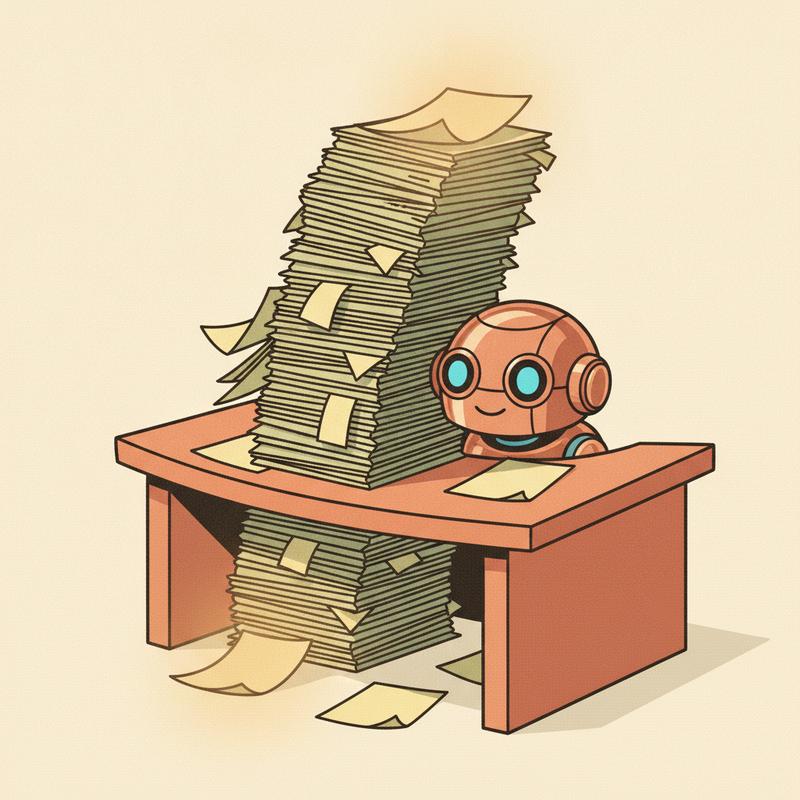
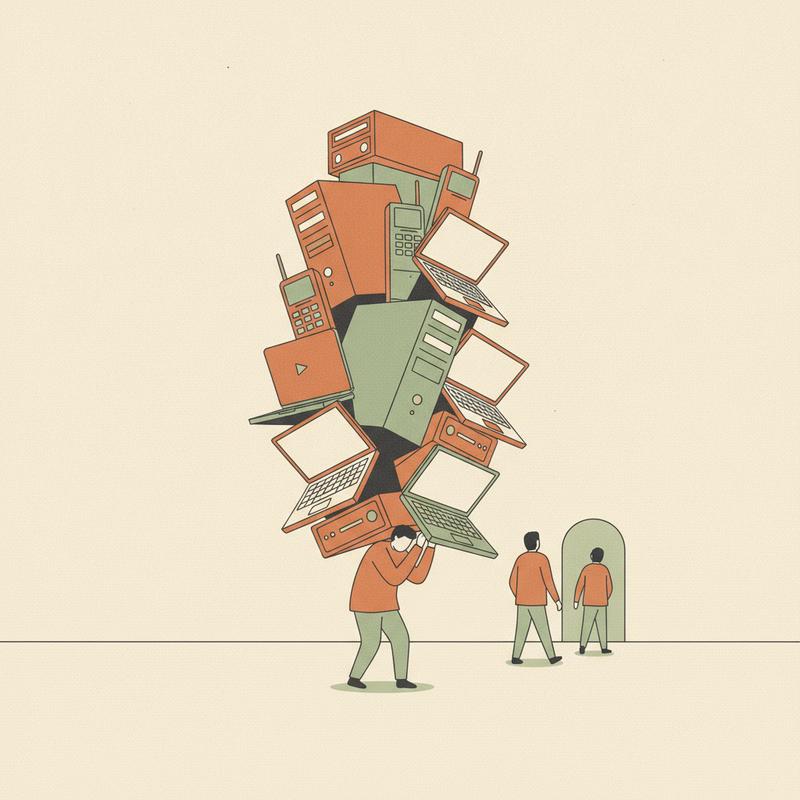
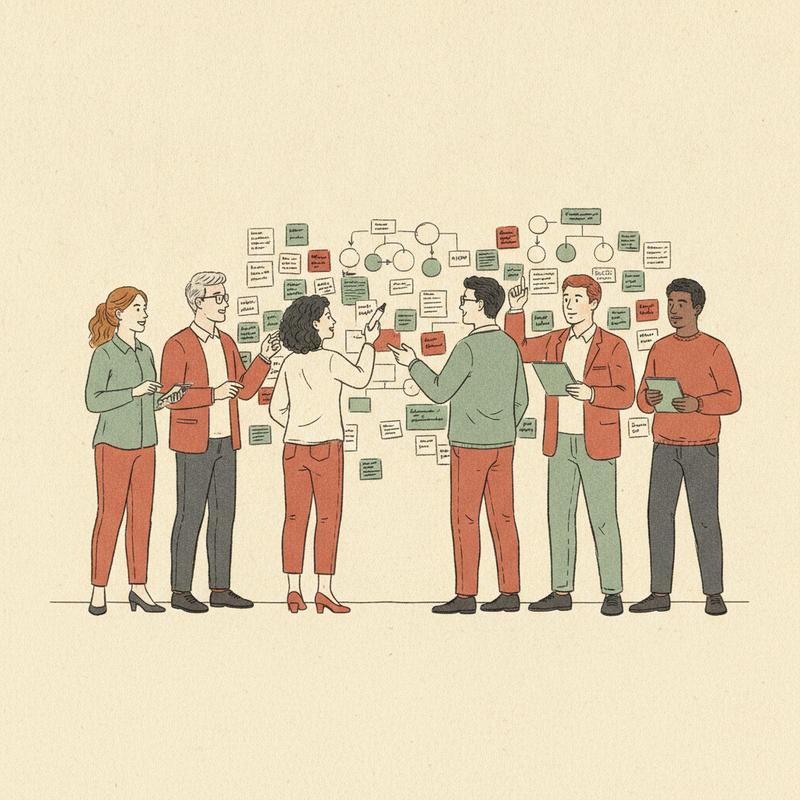
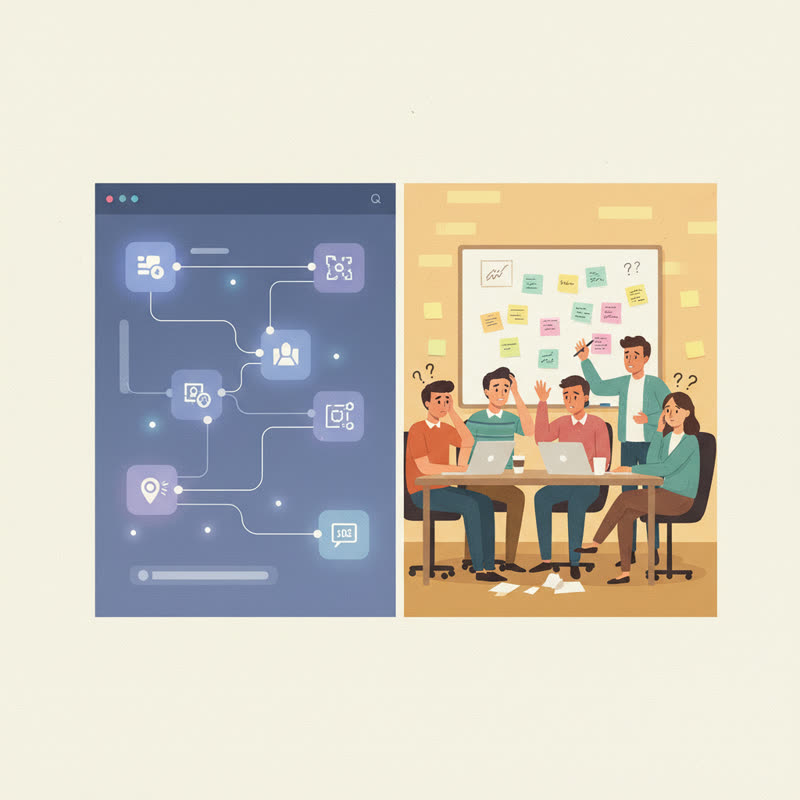
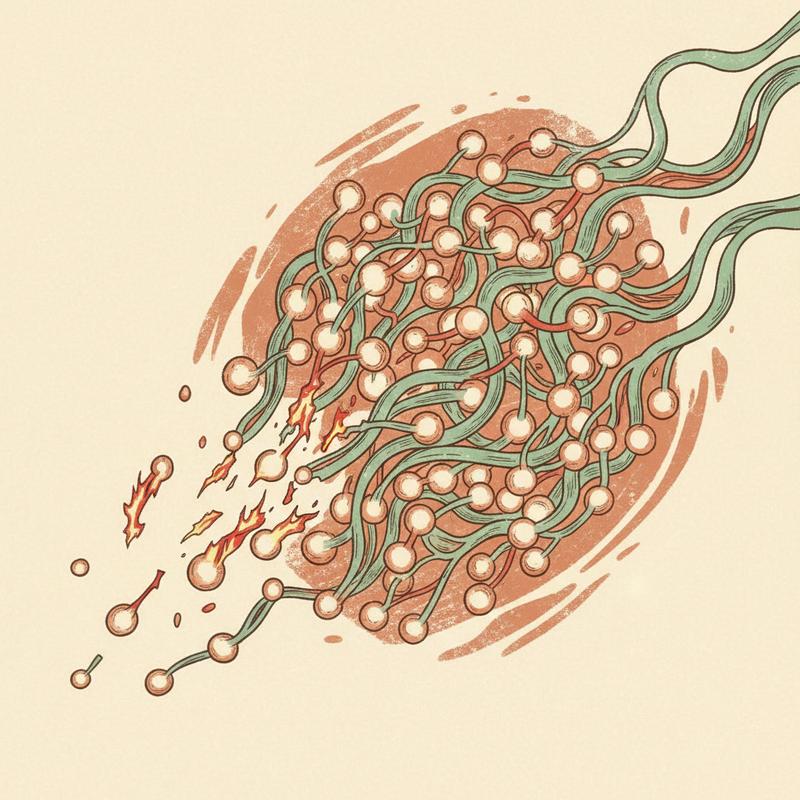
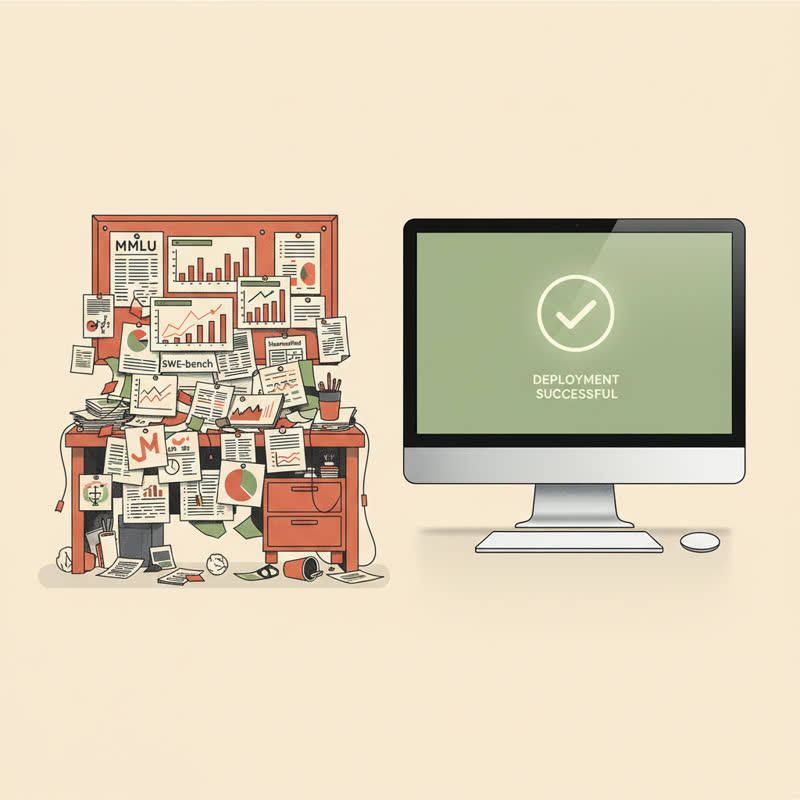
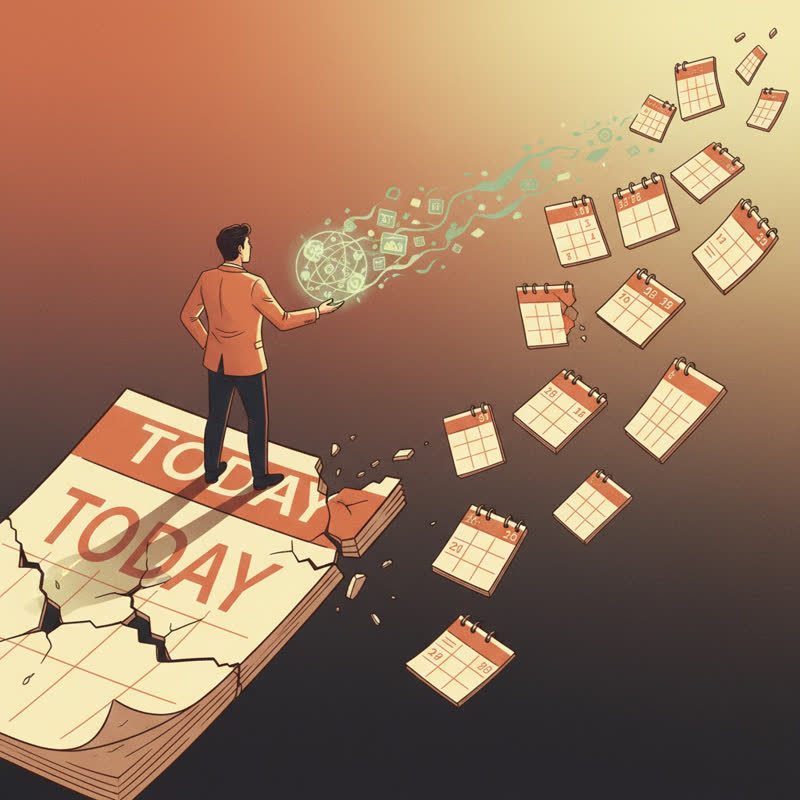
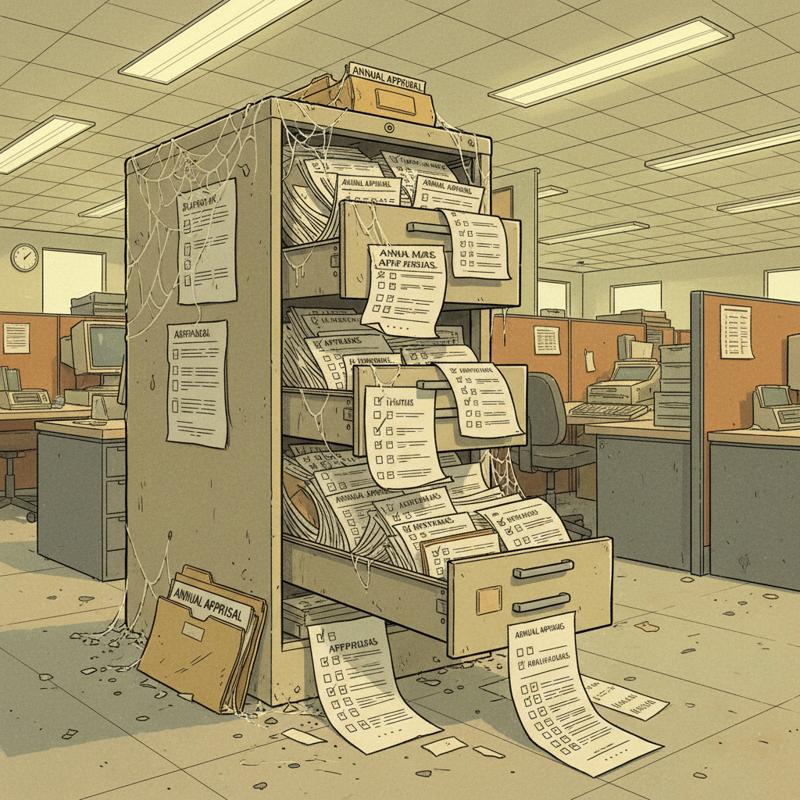
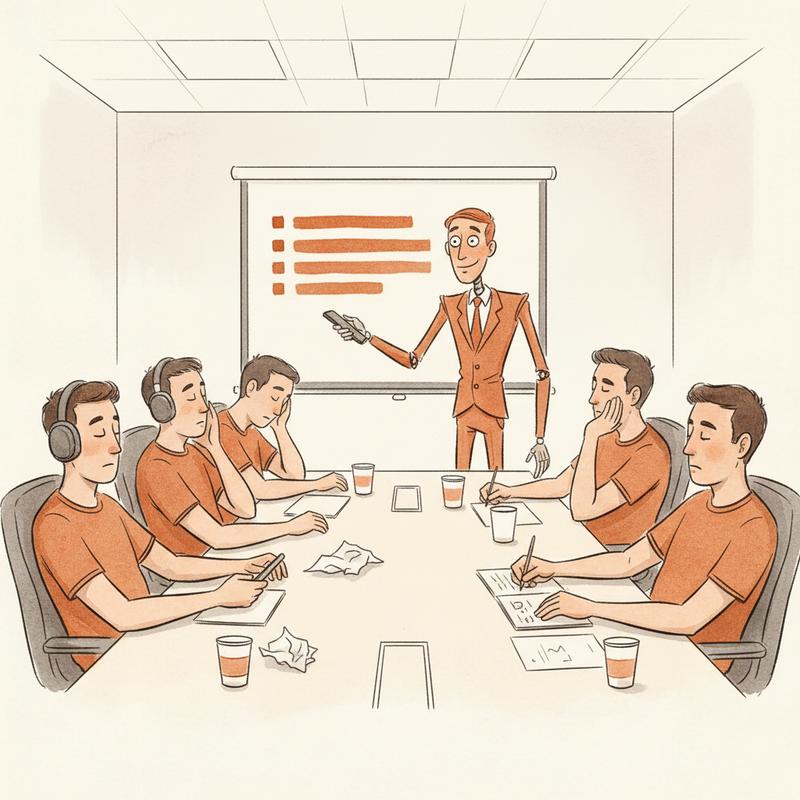
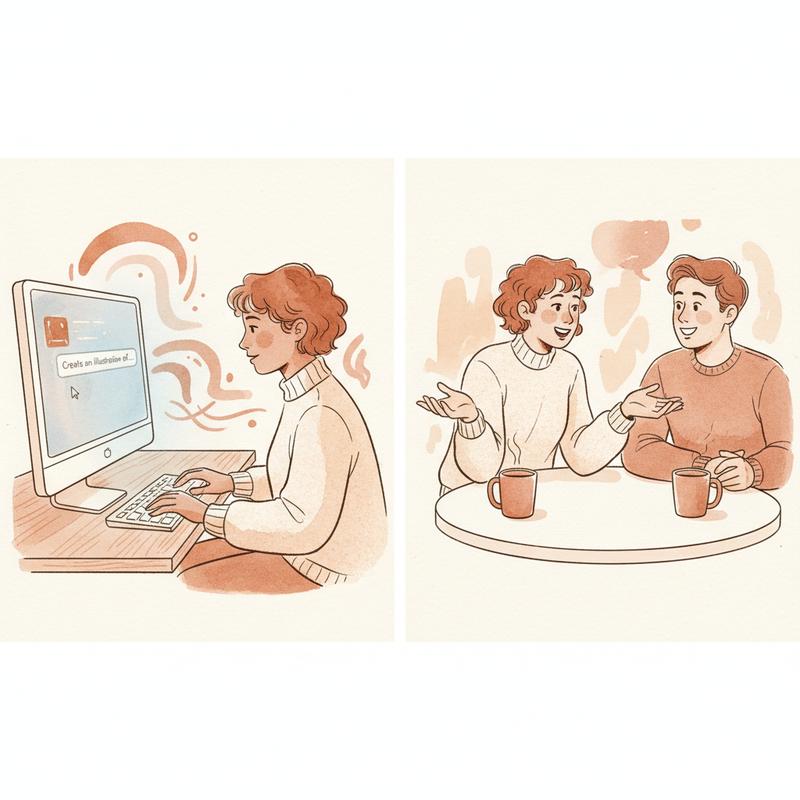
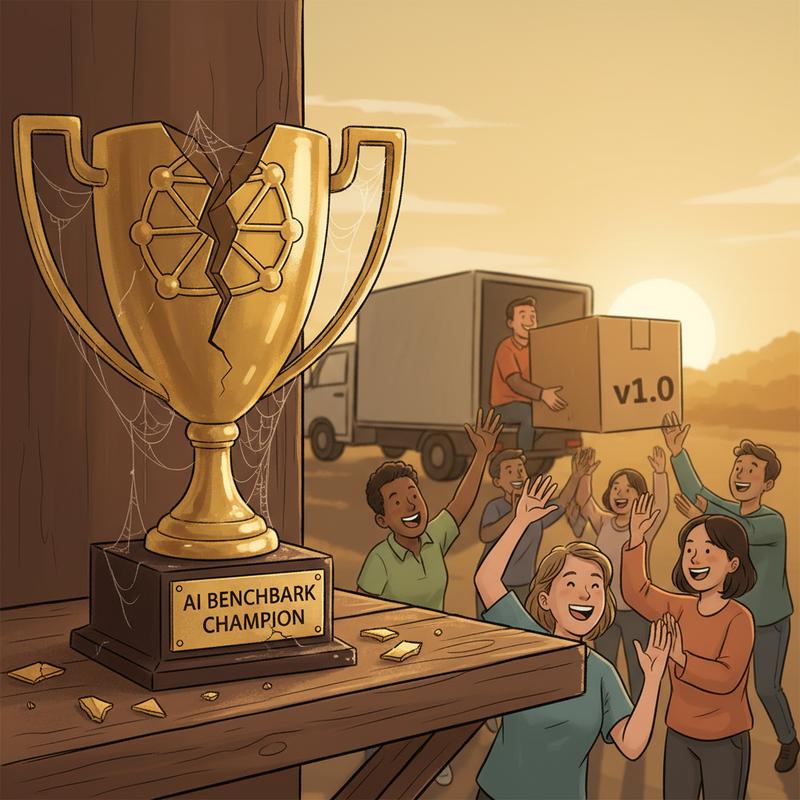
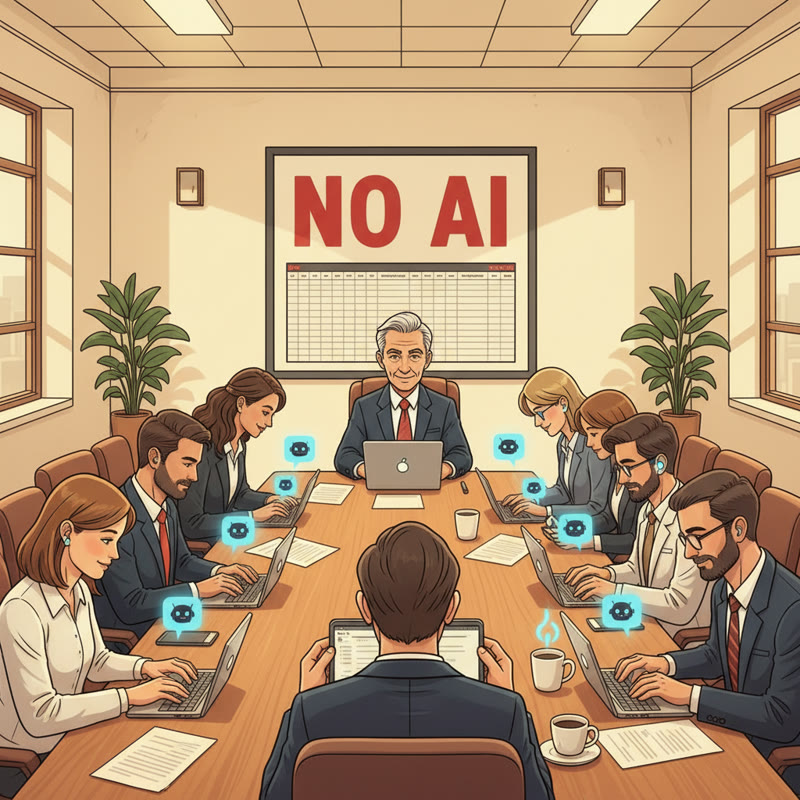
Somebody on your team has a prompt library. A doc full of clever phrasings, role instructions, and magic words like "think step by step."
Nobody opens it twice.
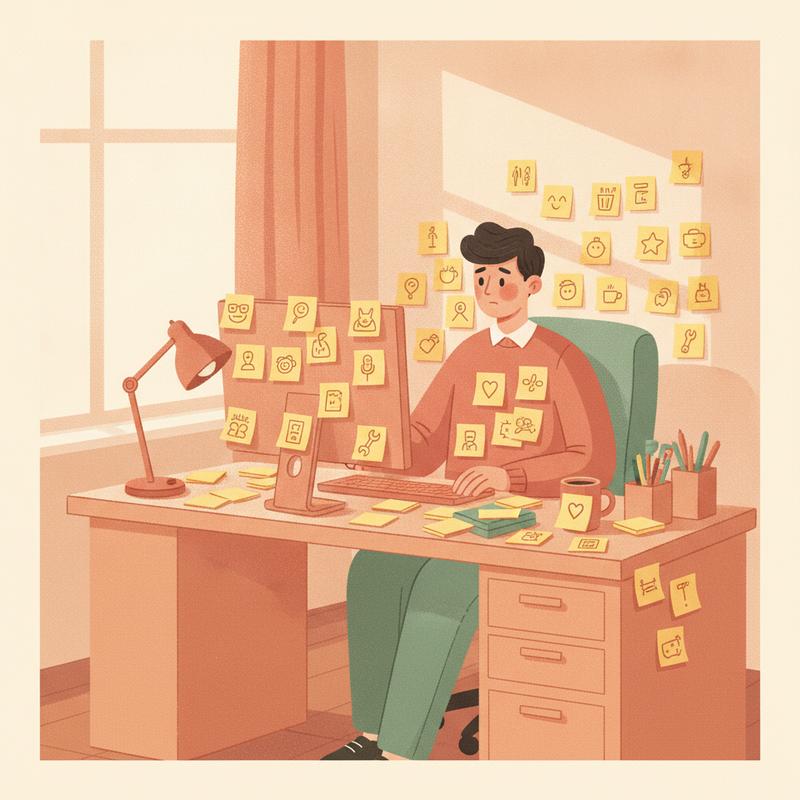
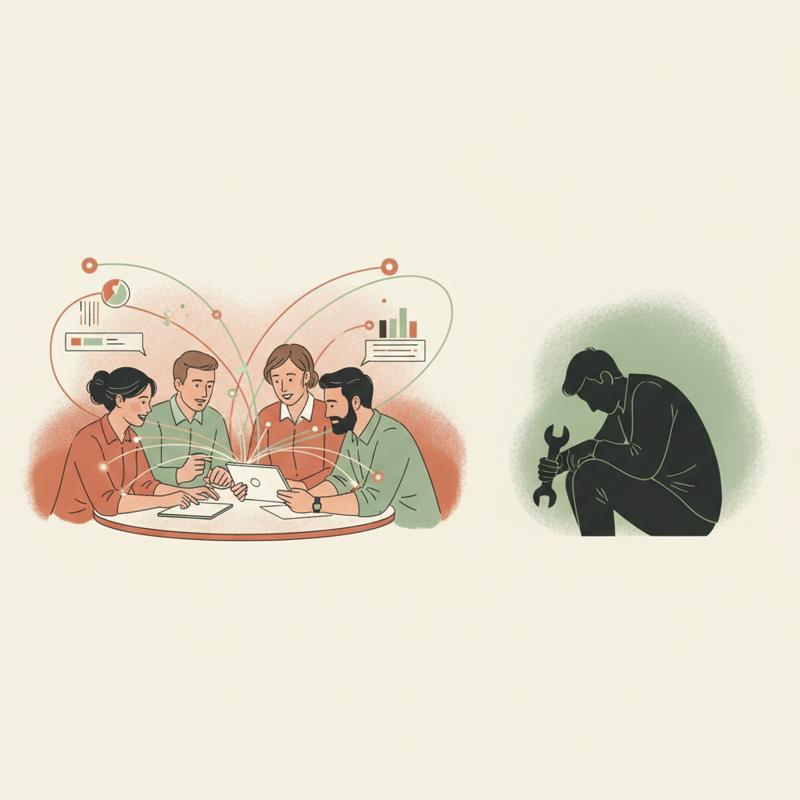
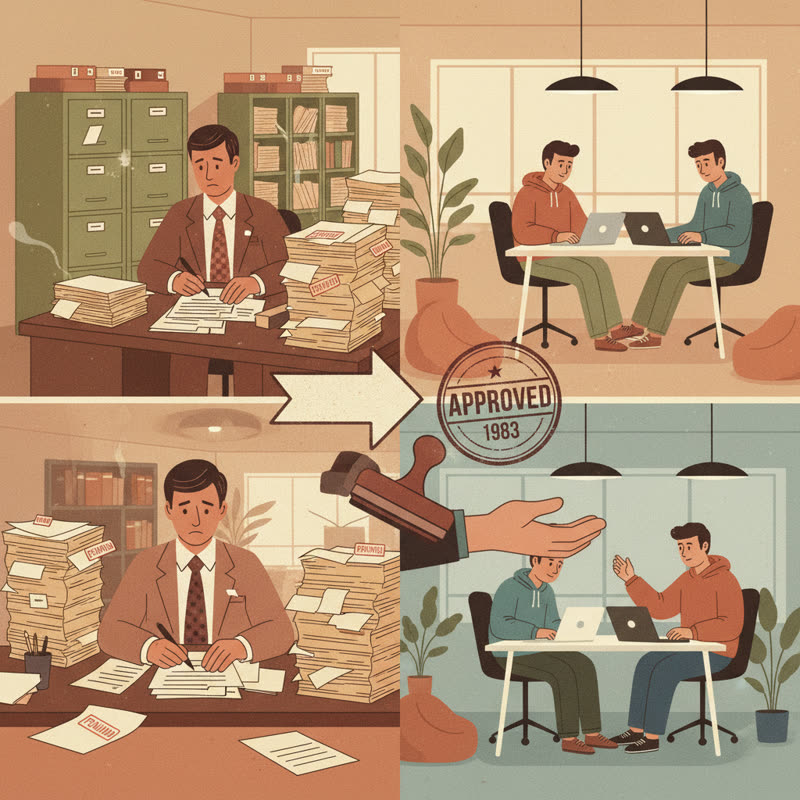
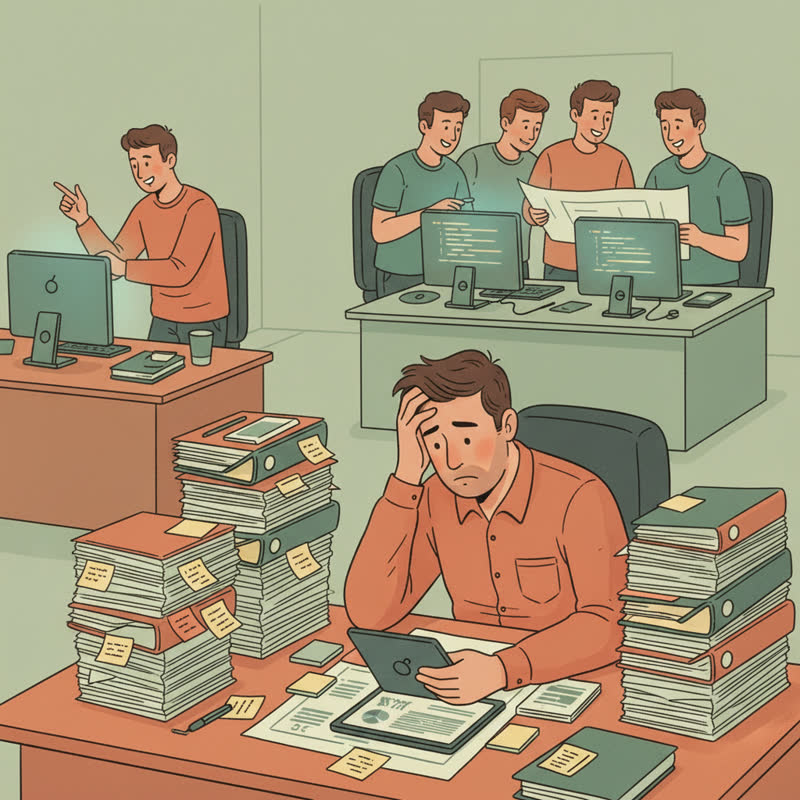
I have watched this pattern repeat across teams for two years now. The prompt library gets built with enthusiasm, shared in a channel, and then quietly abandoned. Meanwhile the one person getting real value out of AI is the grizzled specialist who knows the domain cold and has wrapped the model in a boring, repeatable process.
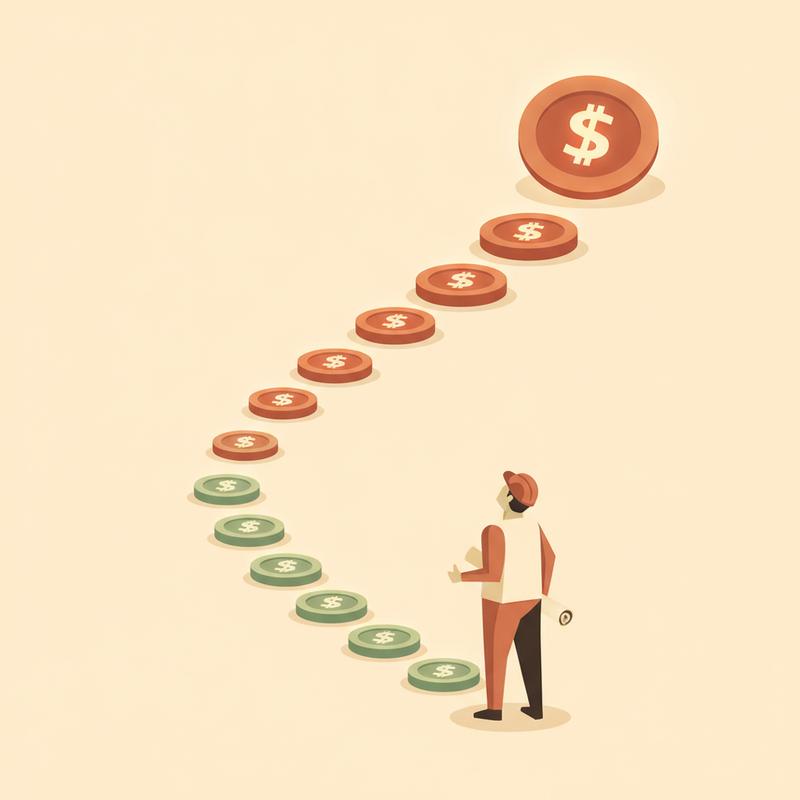
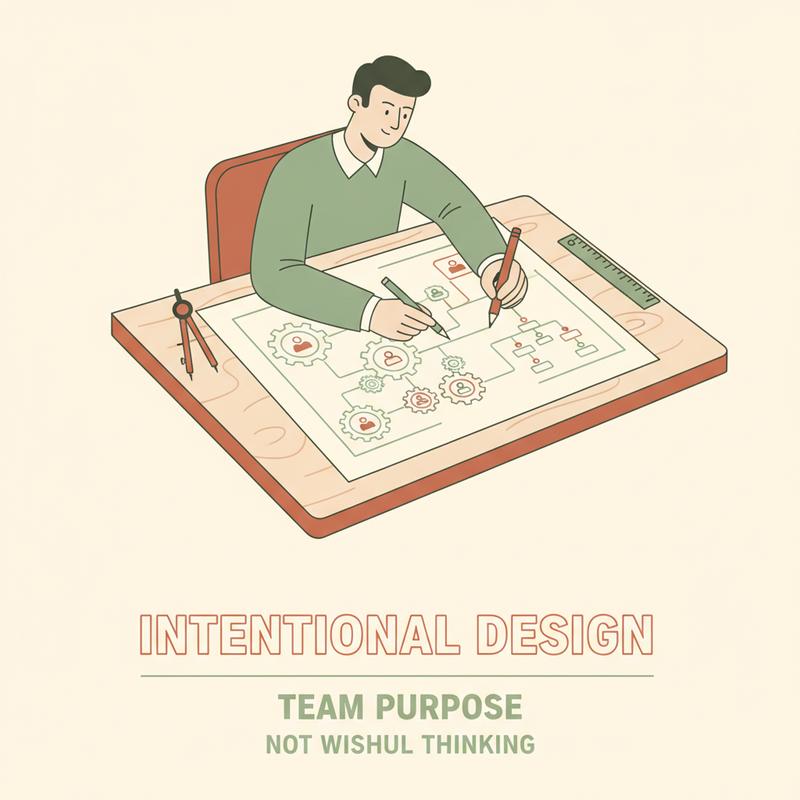
The edge was never the prompt. The edge is the design around it.
Prompting Is a Skill With a Ceiling
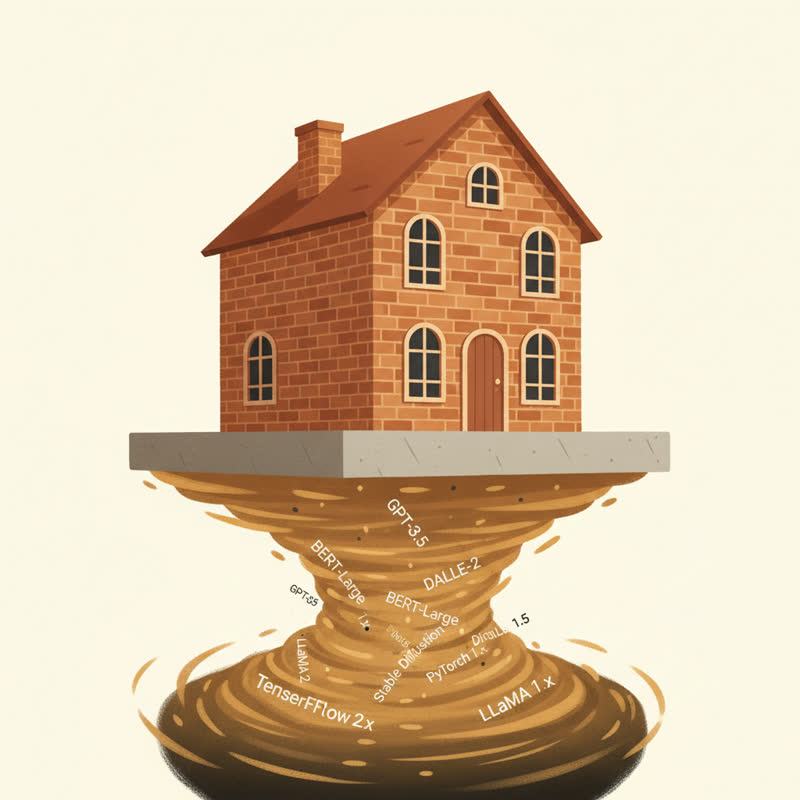
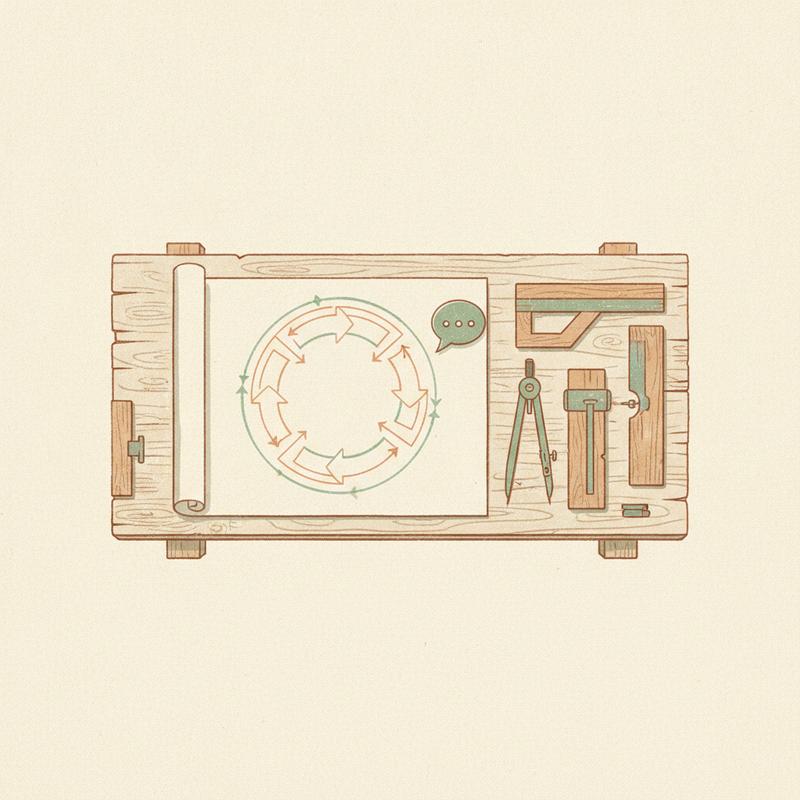
Prompt tricks work until they do not. You rephrase, you add an example, you tell the model it is a senior architect with thirty years of experience. You get a slightly better answer. Then the model updates and your phrasing stops mattering.
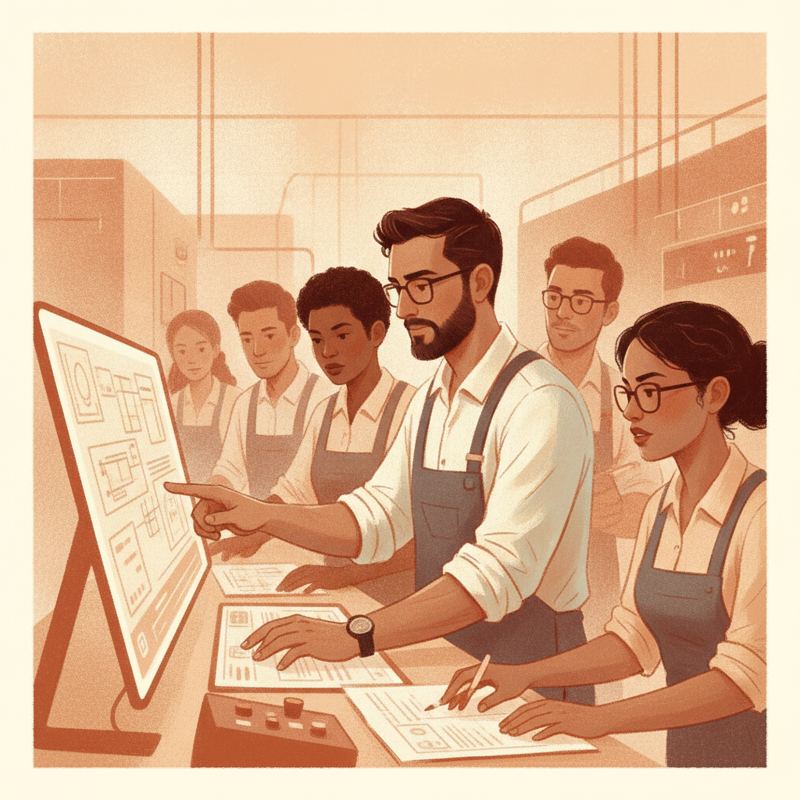
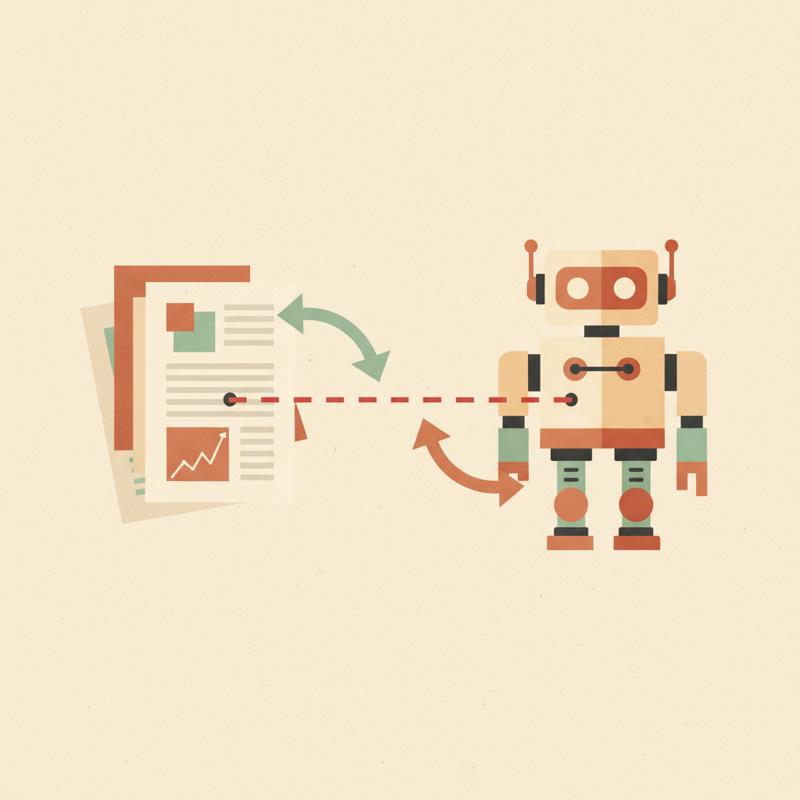
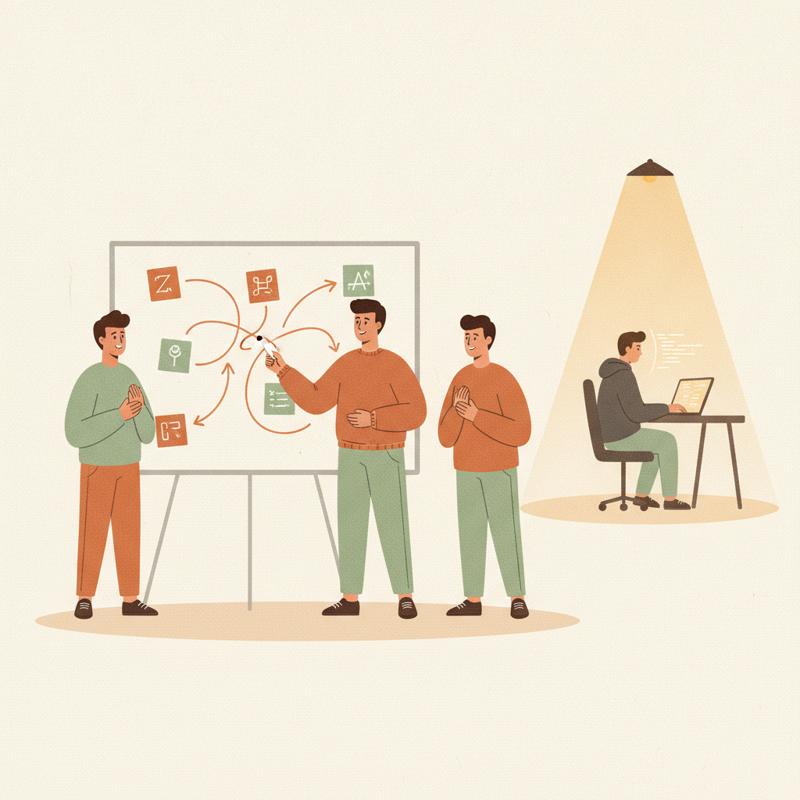
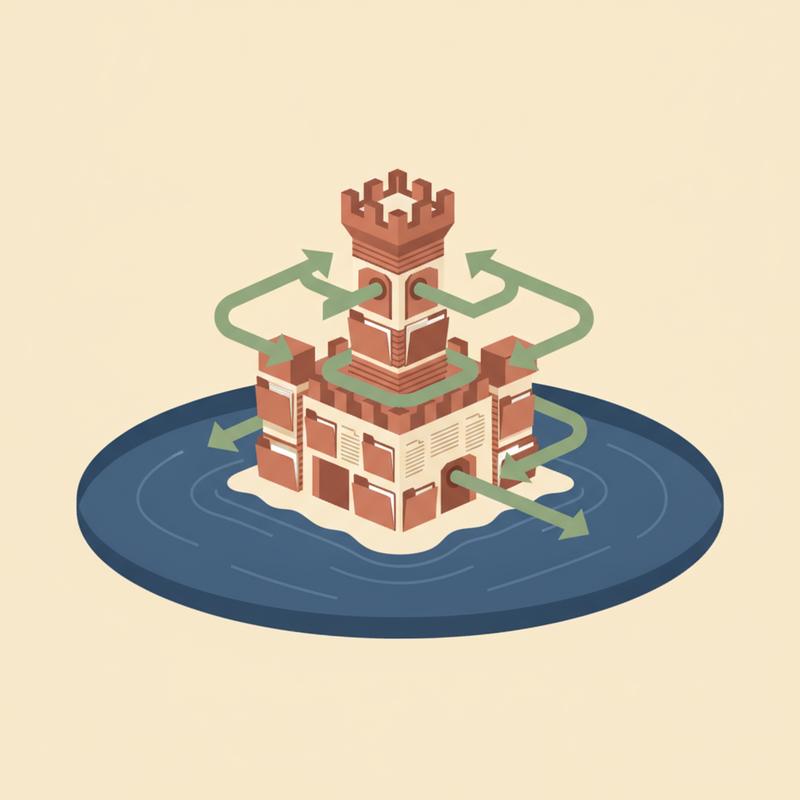
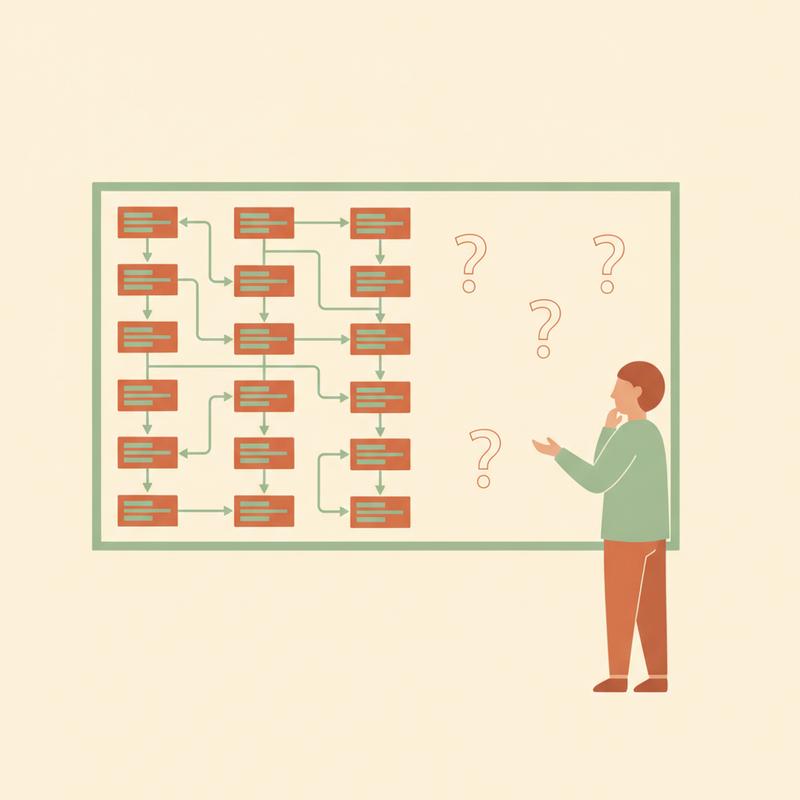
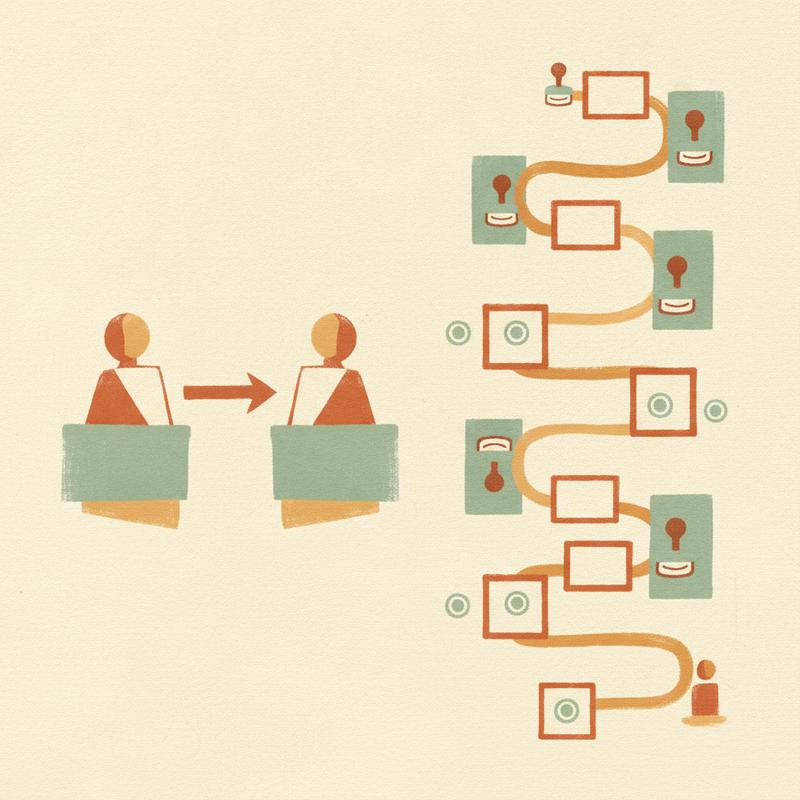
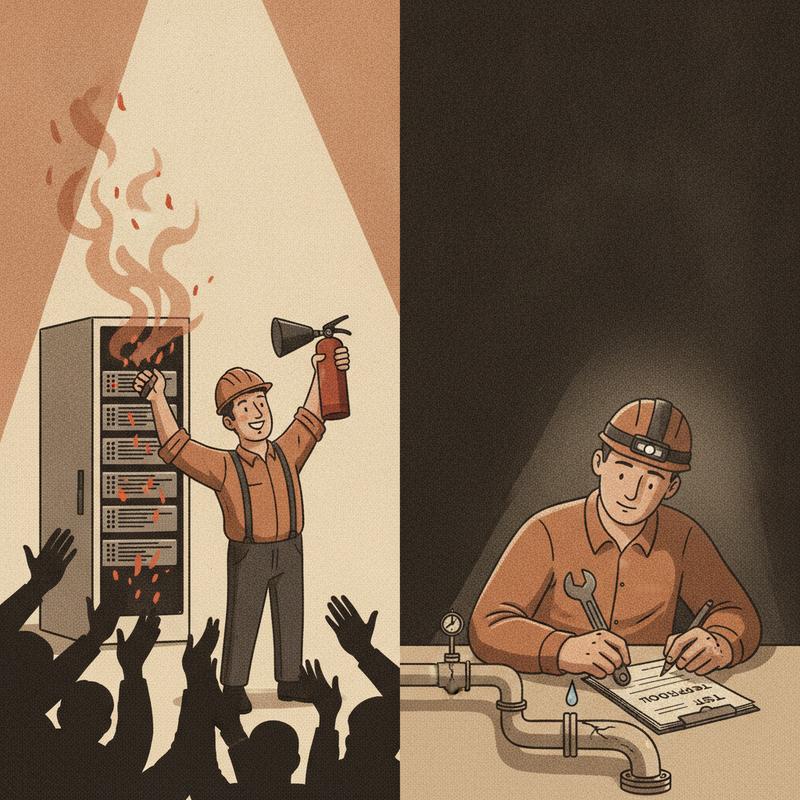
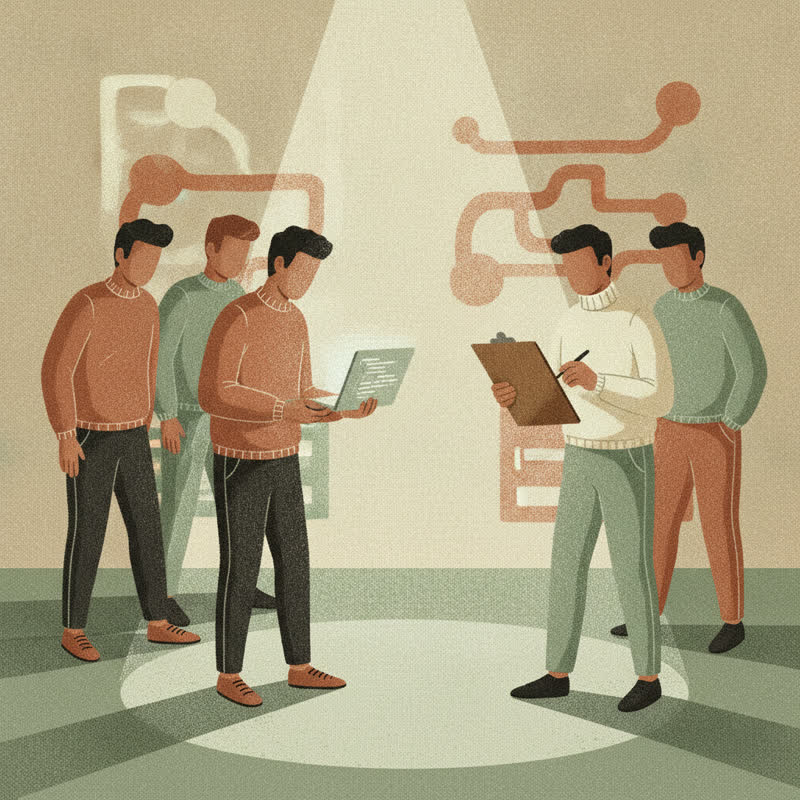
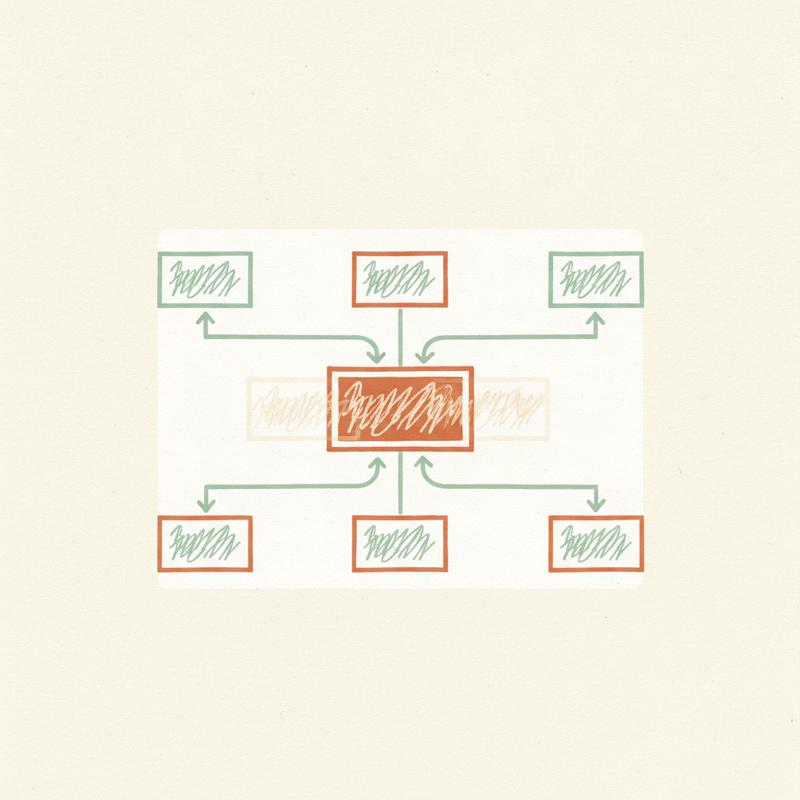
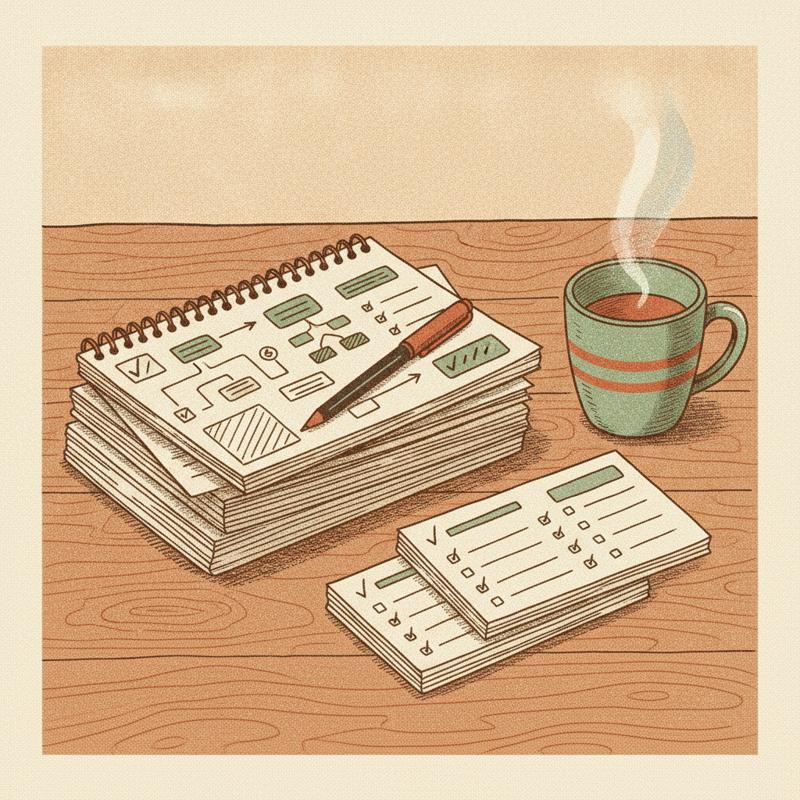
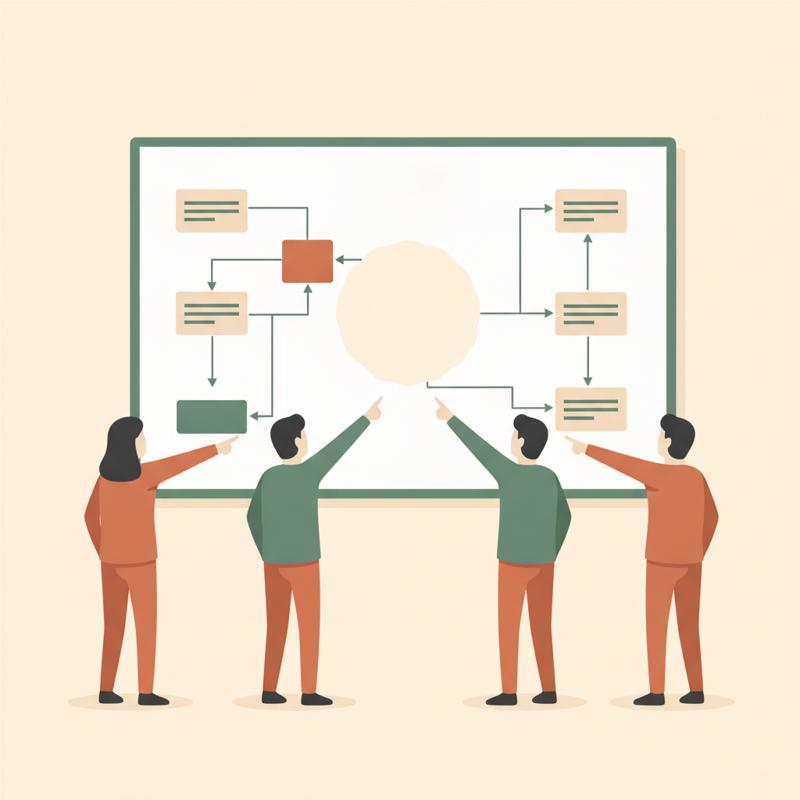
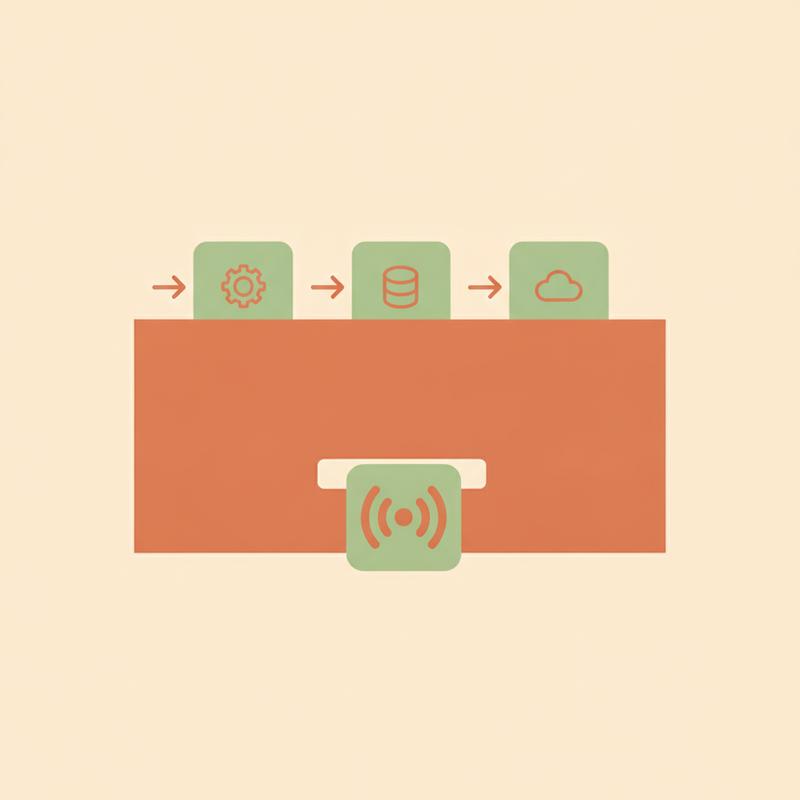
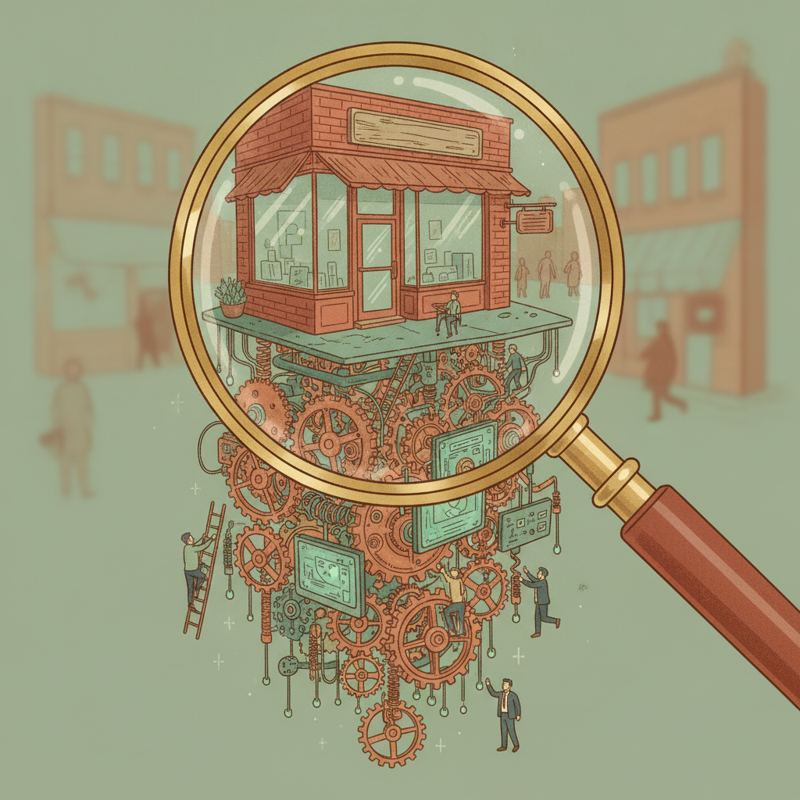
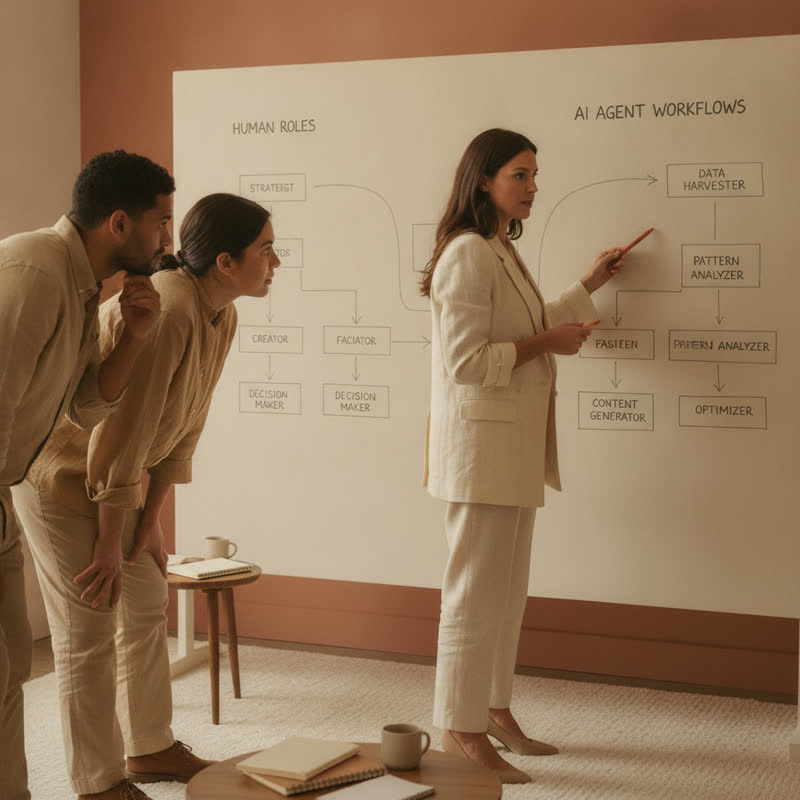
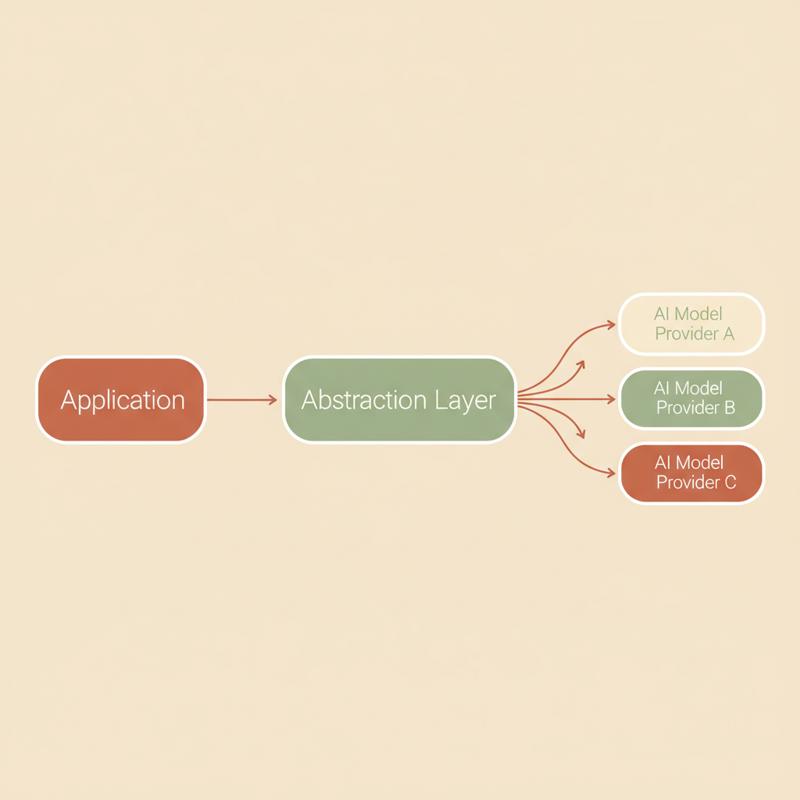
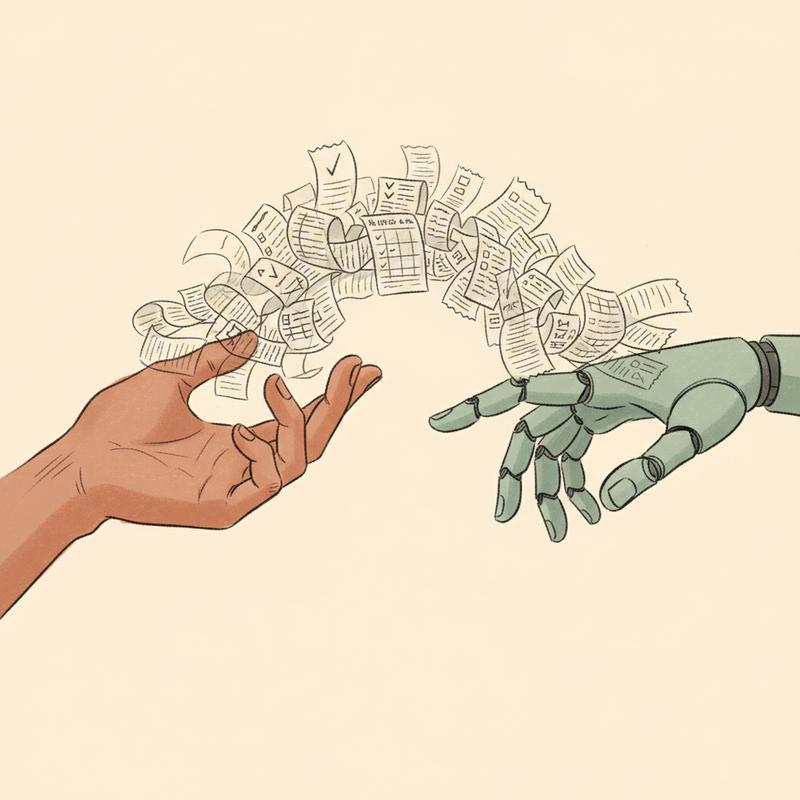
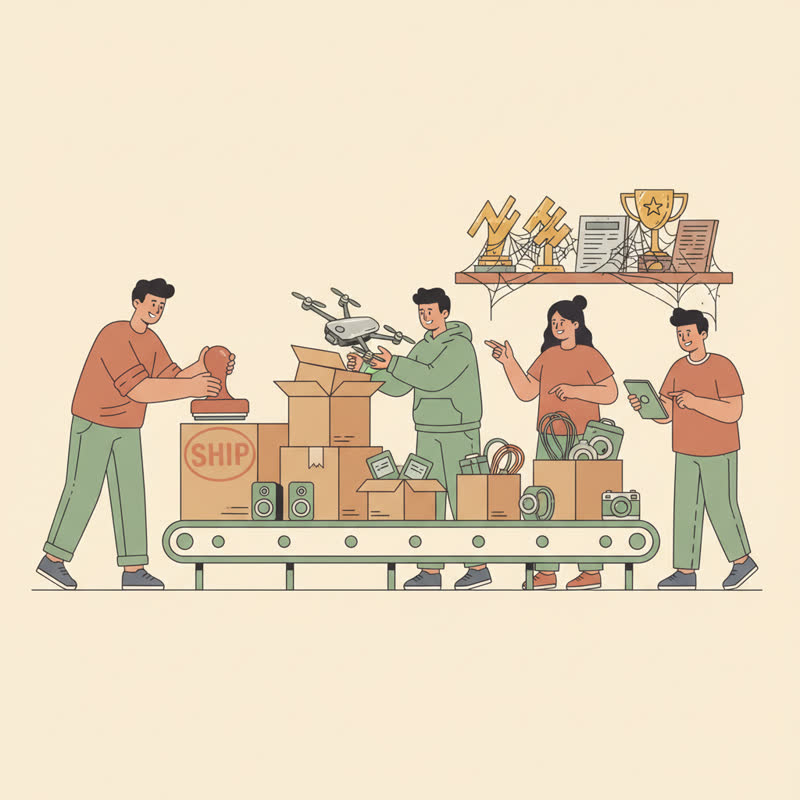
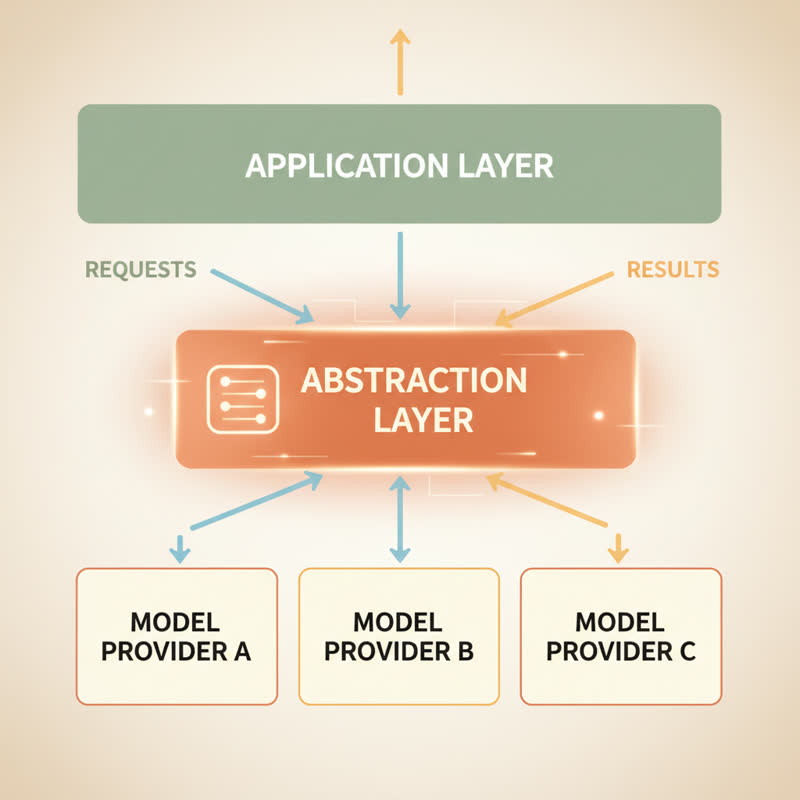
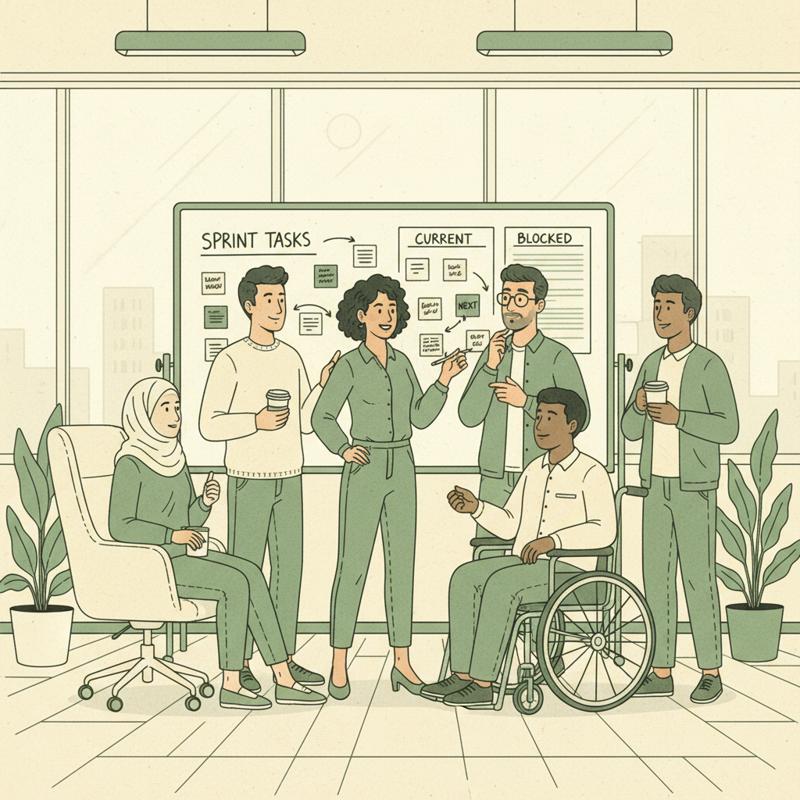
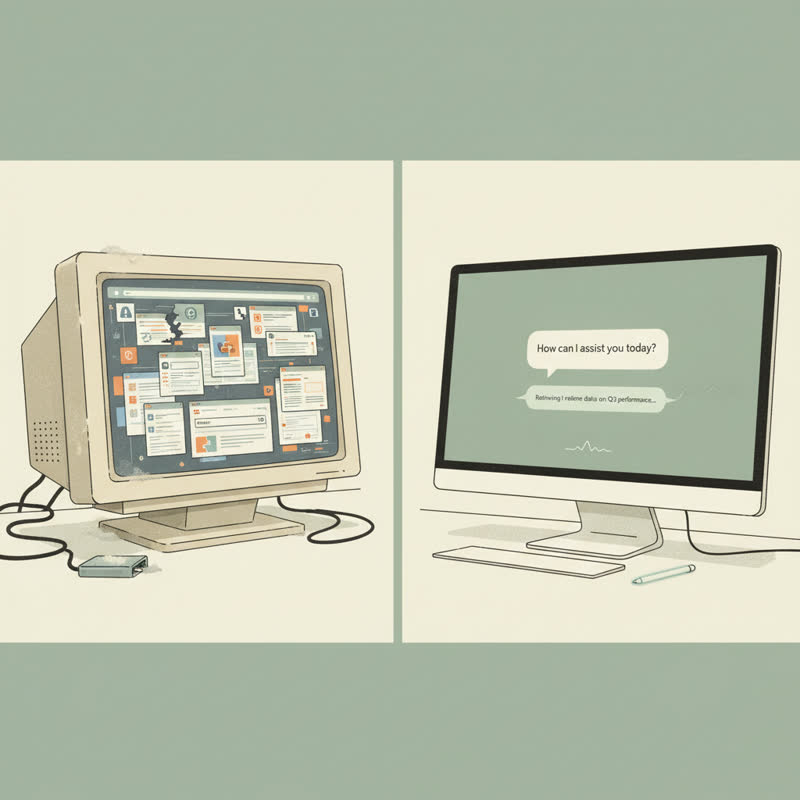
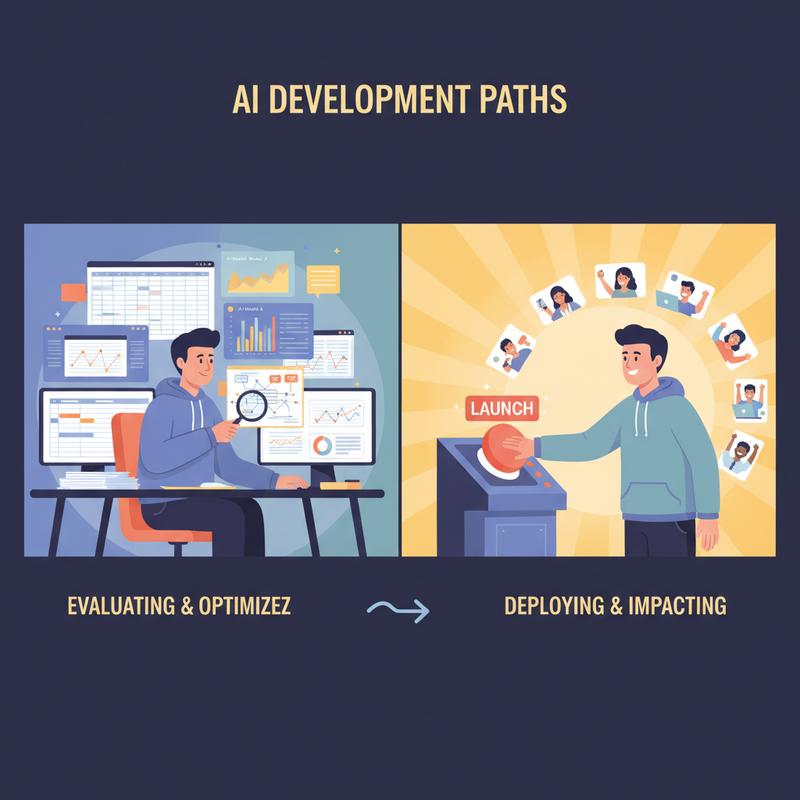
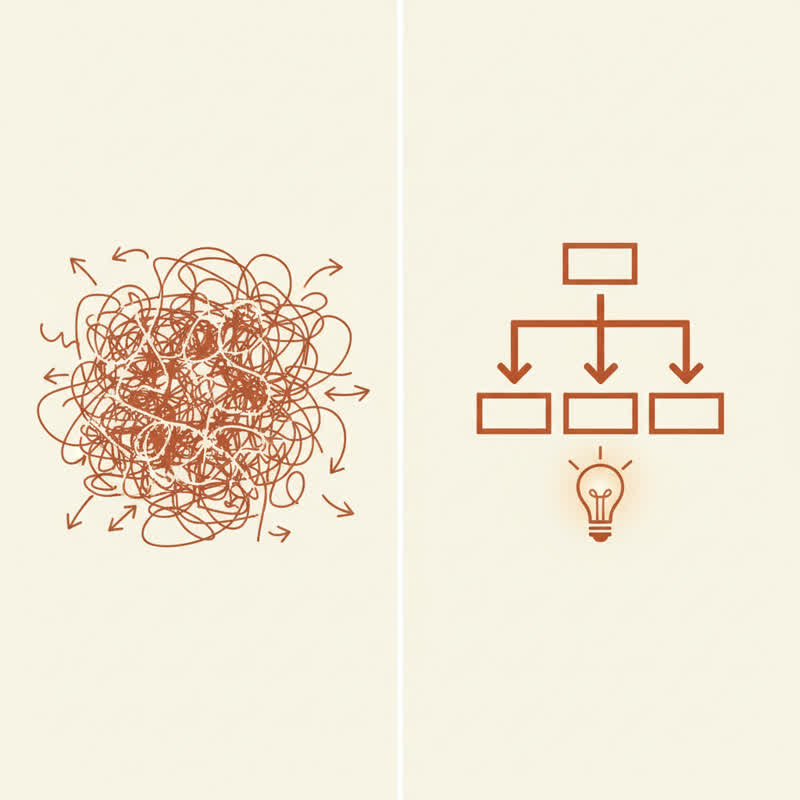
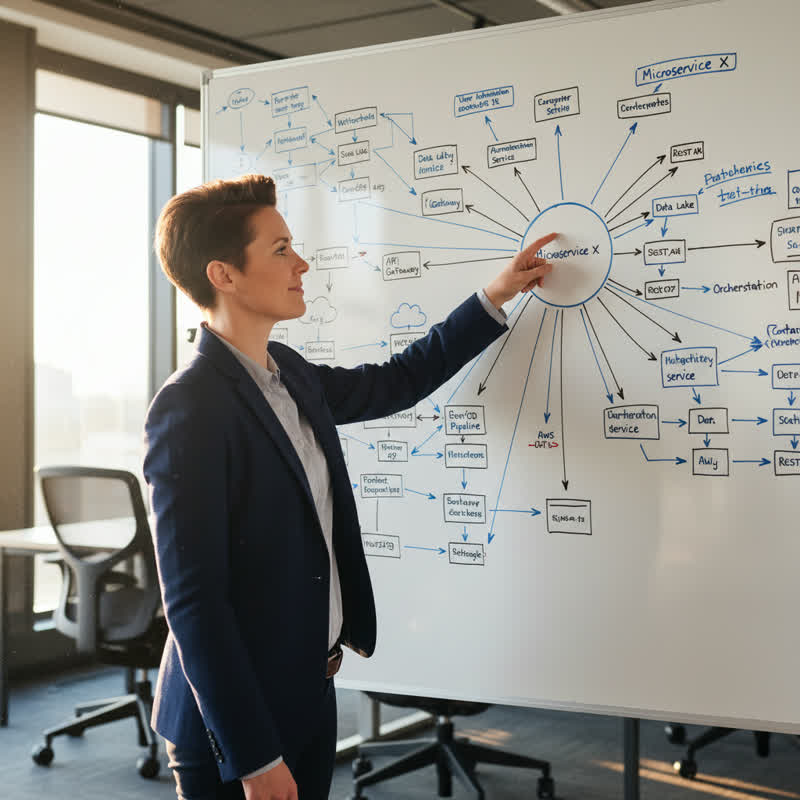
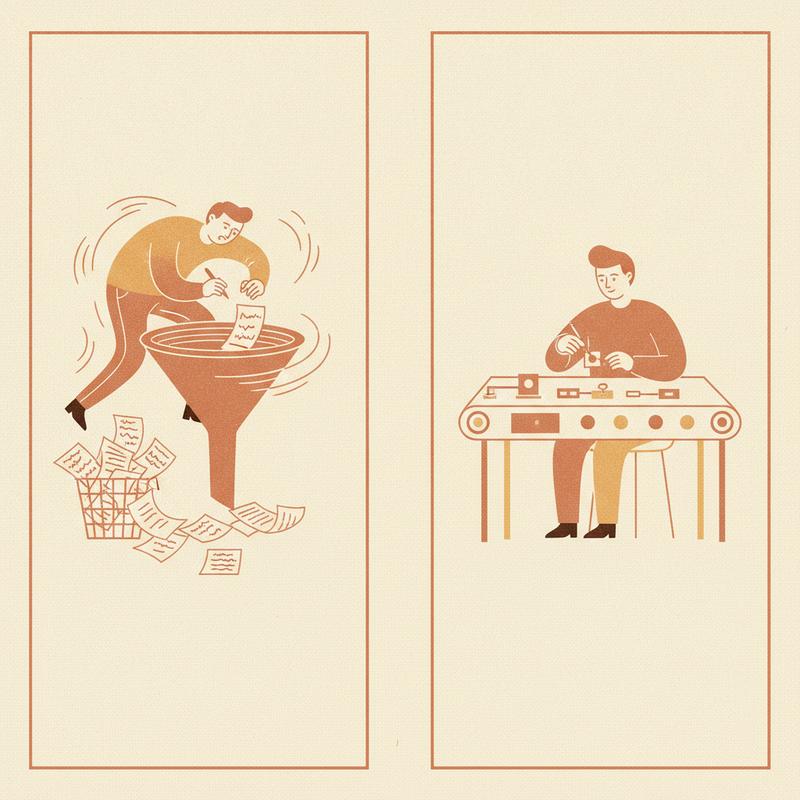
Compare this to the person who built a pipeline. They pull the same three data sources every time, feed the model a narrow task with a fixed output shape, run a check on the result, and route failures to a human. Their setup survives a model update. It survives a vendor change. It survives the specialist going on holiday, because the process lives outside their head.
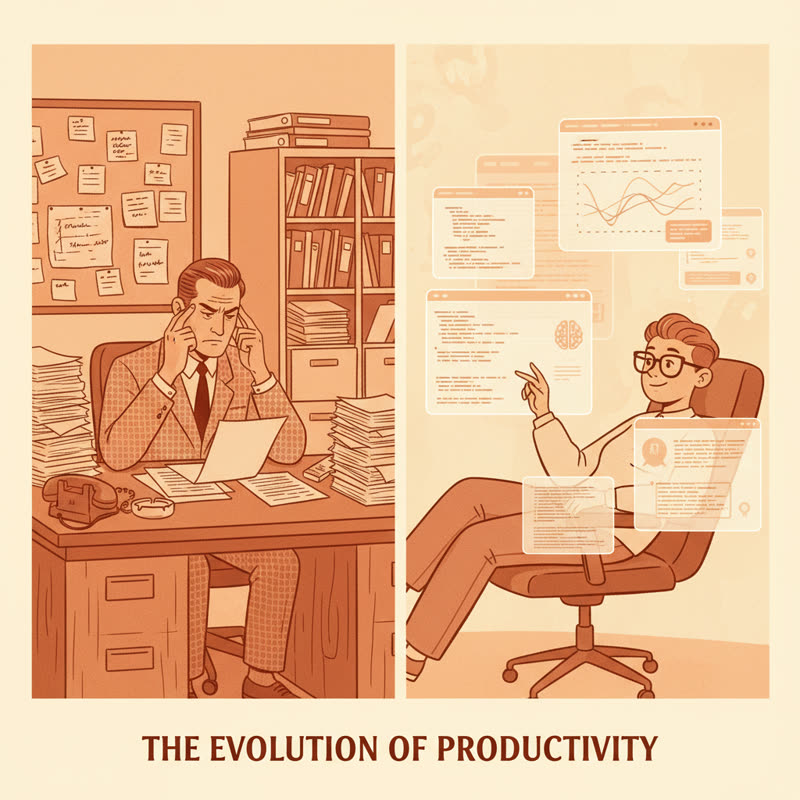
One approach is a party trick. The other is engineering.
The Study Everybody Should Read Before Buying Another Seat
In 2025, METR ran a randomized controlled trial with 16 experienced open source developers across 246 real tasks in repositories they had contributed to for years. Not toy problems. Their own code.
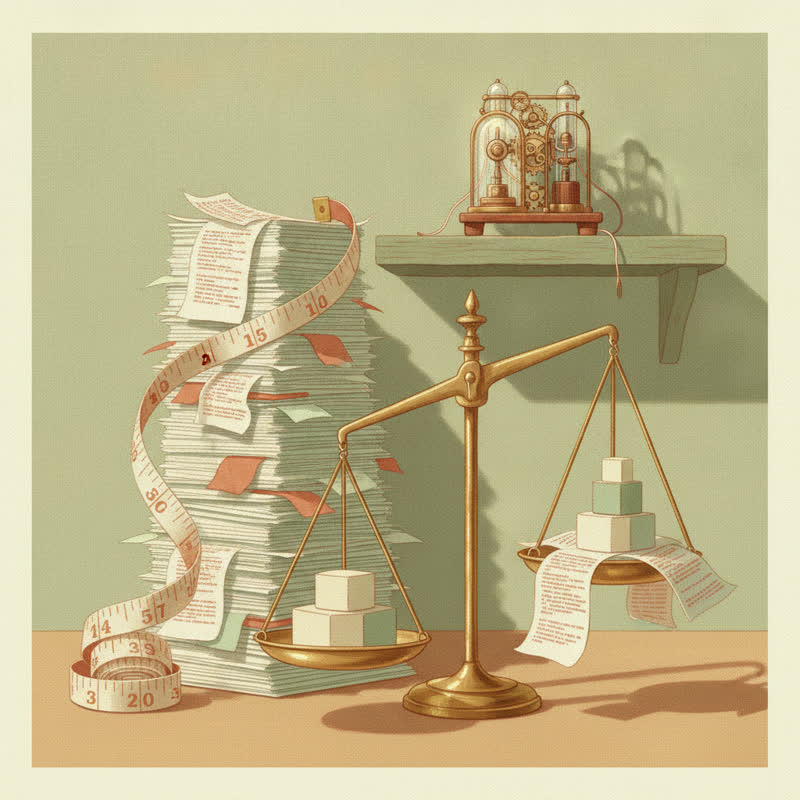
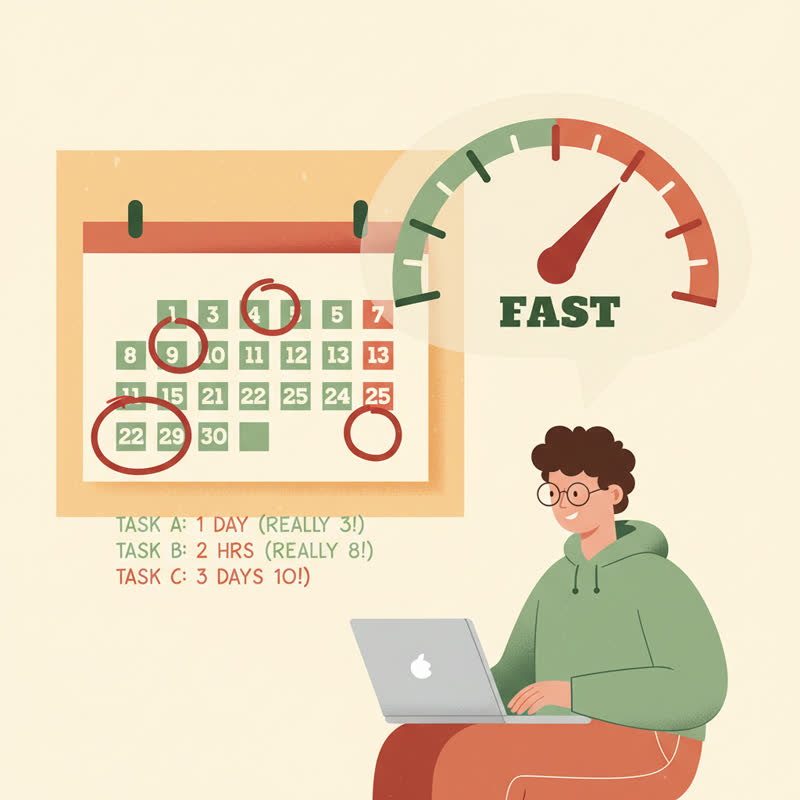
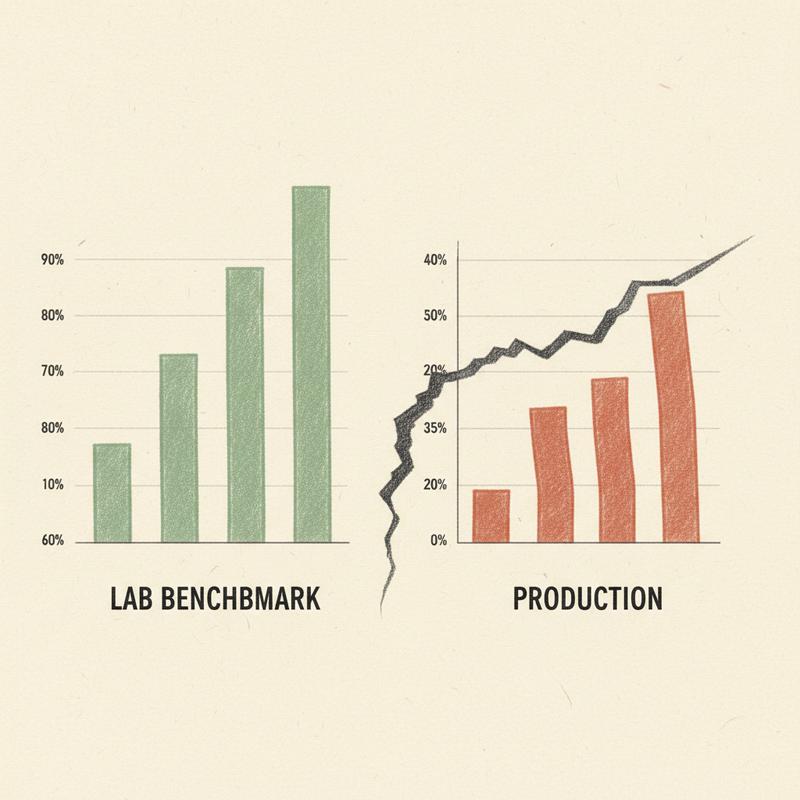
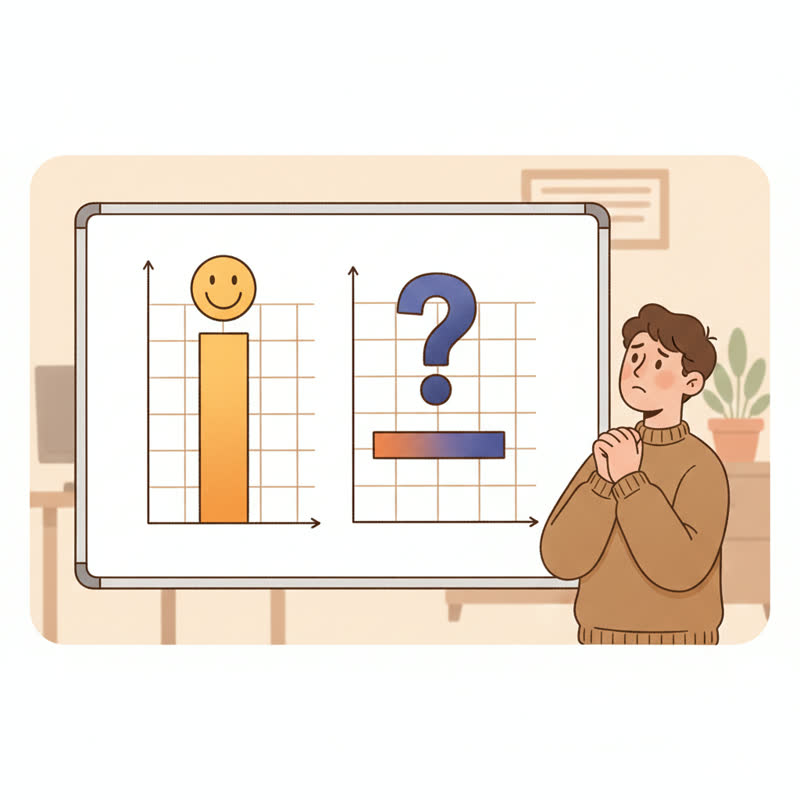
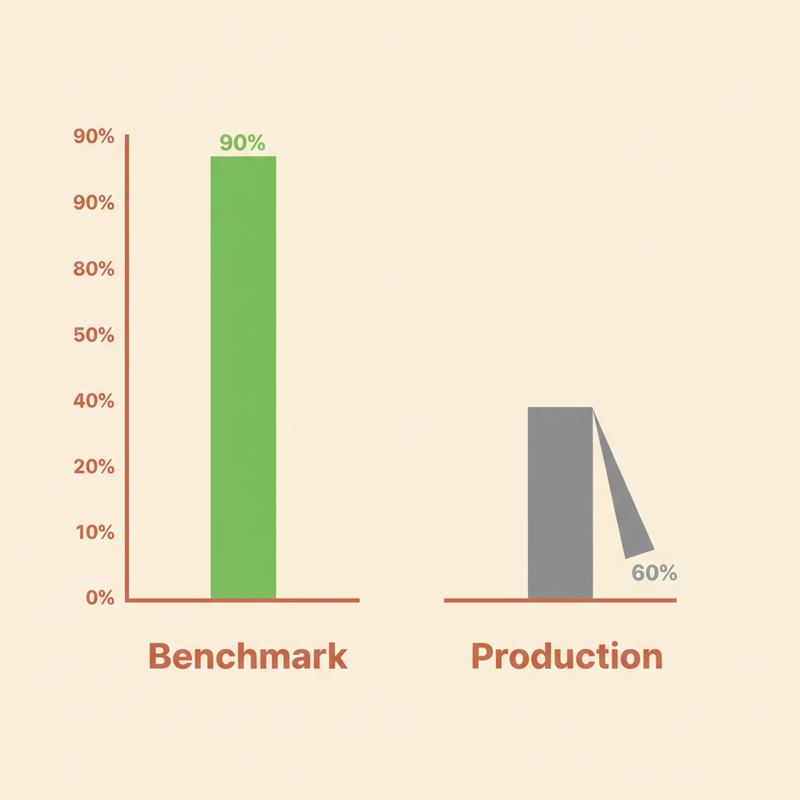
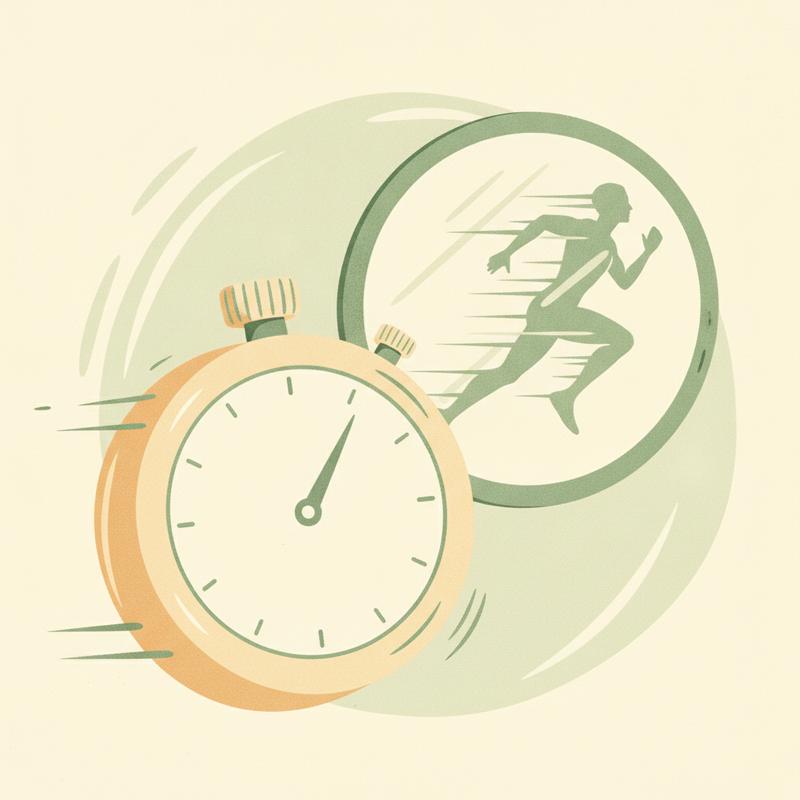
The developers predicted AI tooling would speed them up by 24%. The measured result was 19% slower.
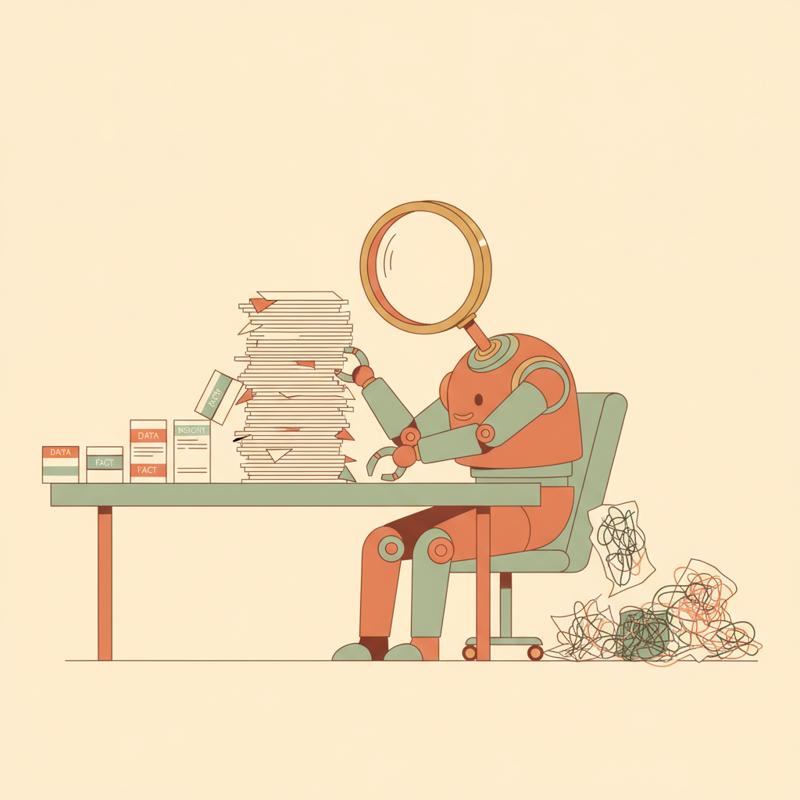
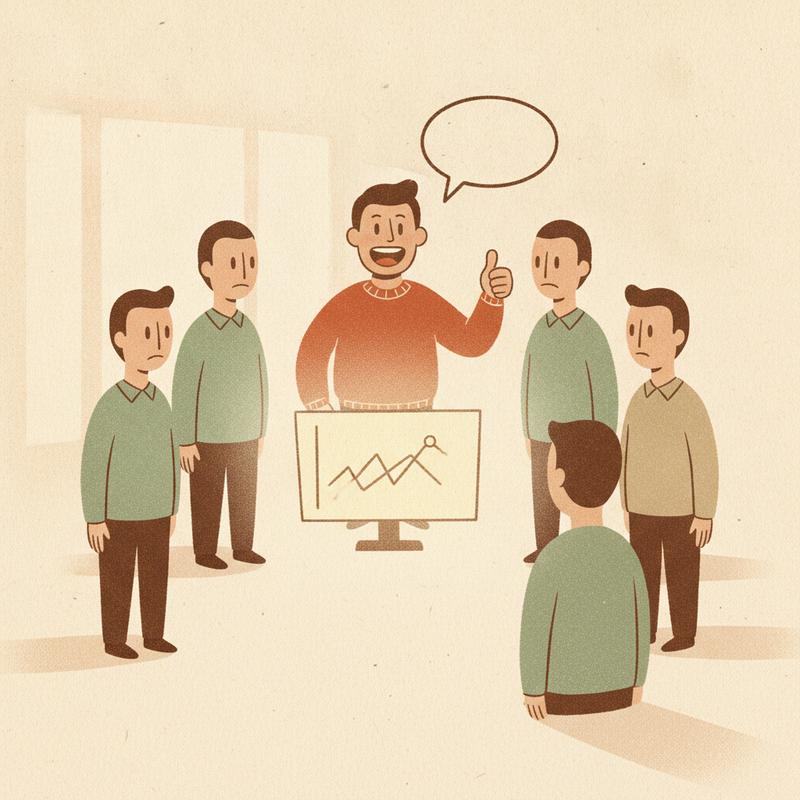
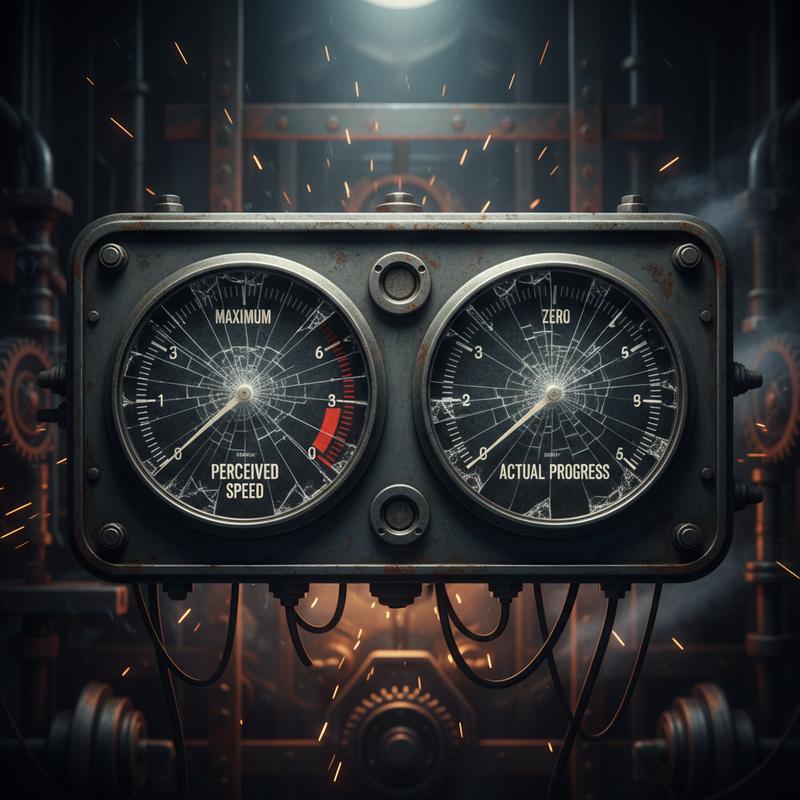
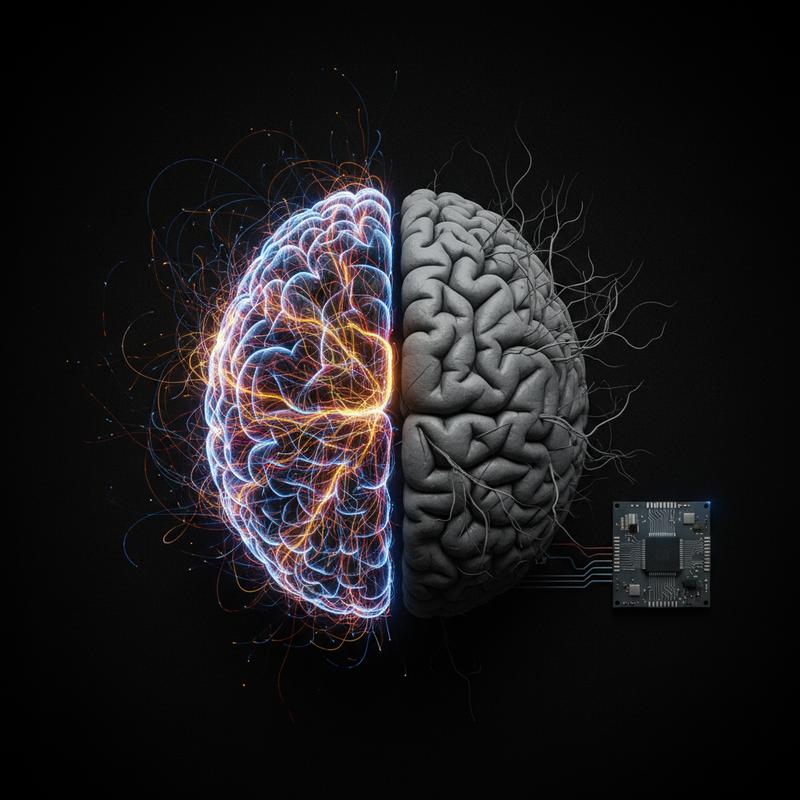
The part worth sitting with comes next. After finishing the tasks, after being slower, the developers still believed AI had sped them up by 20%. Ars Technica covered the finding and the discussion mostly focused on the headline number. The perception gap is the bigger story.
These were not novices. Nearly all of them had dozens to hundreds of hours of prior experience prompting models. Raw prompting skill did not save them.
You Feel Fast. The Stopwatch Disagrees.
METR ran a follow-up in 2026, surveying 349 technical workers about self-reported AI impact. The median respondent reported a 1.4x to 2x increase in the value of their work, with speed gains around 3x.
Read the caveats section of their own writeup. The authors are blunt about it. They note their earlier work found people overestimated AI's effect on their time by 40 percentage points on average. They flag selection bias. They flag people confusing time saved with value created. Their own staff, the people most familiar with the measurement problem, reported lower gains than everybody else.
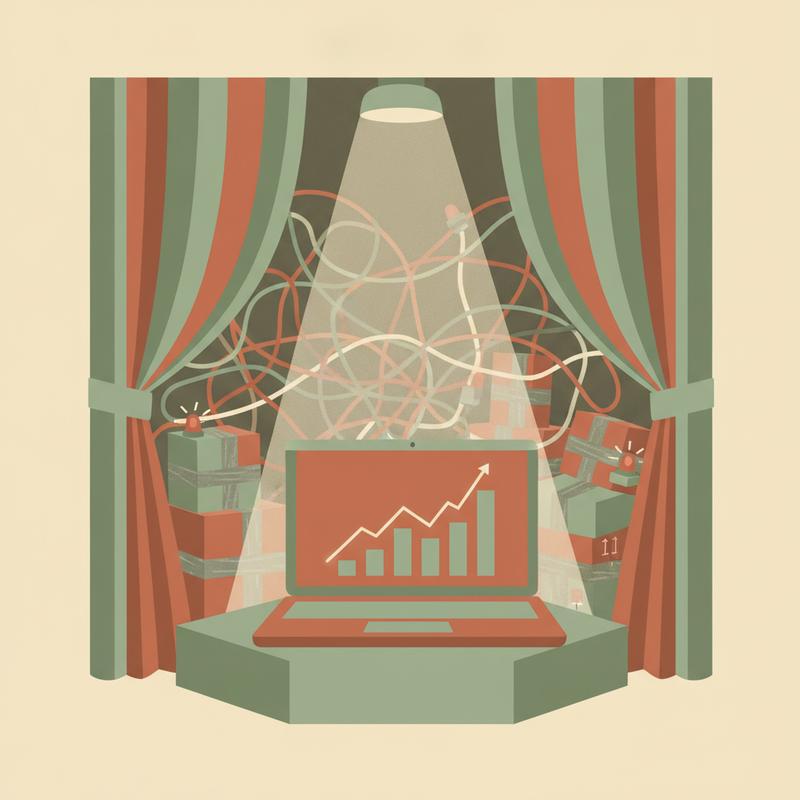
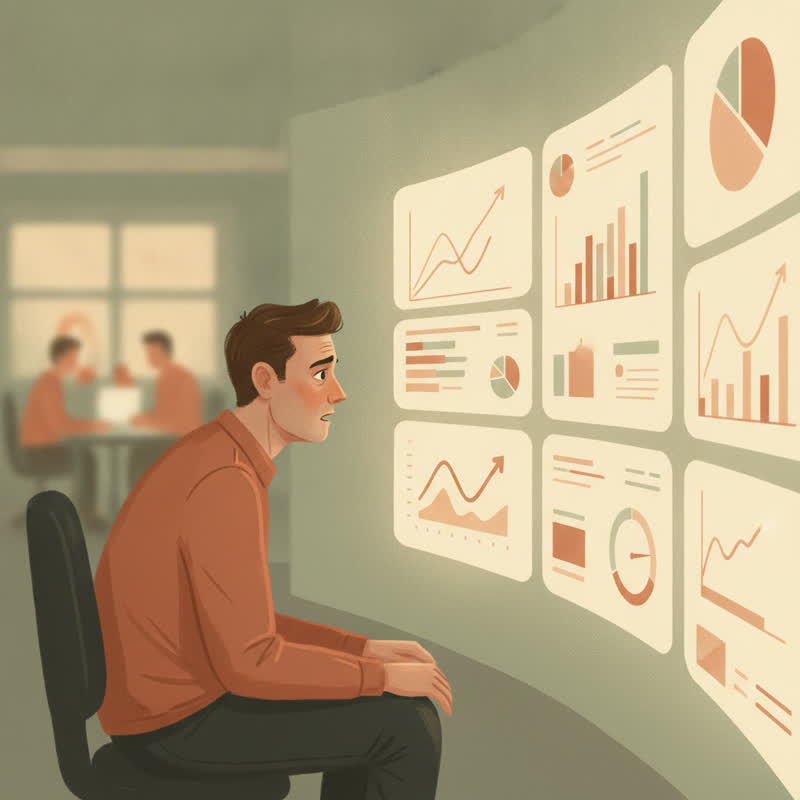
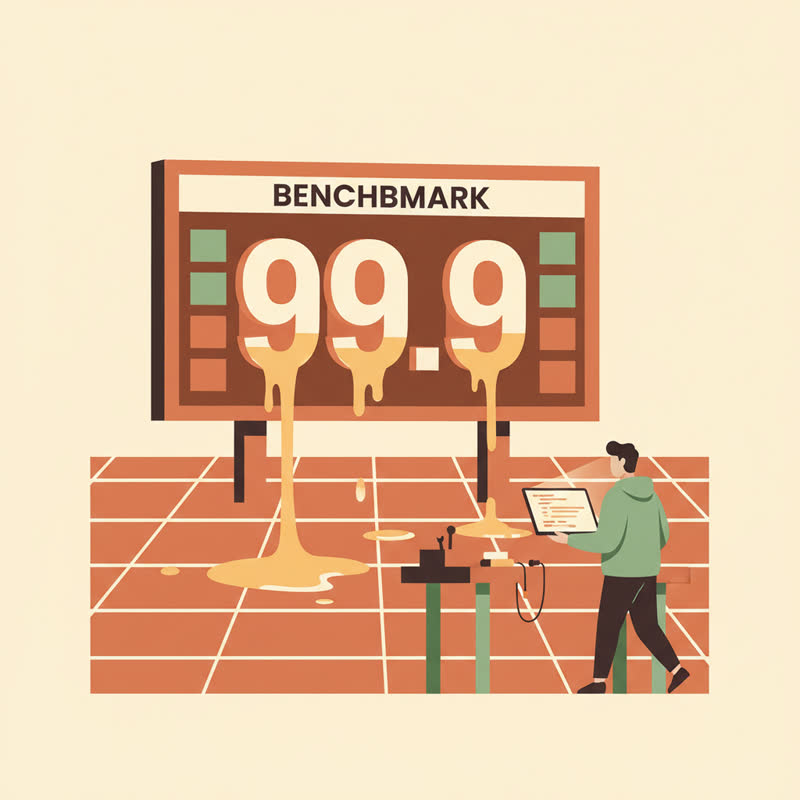
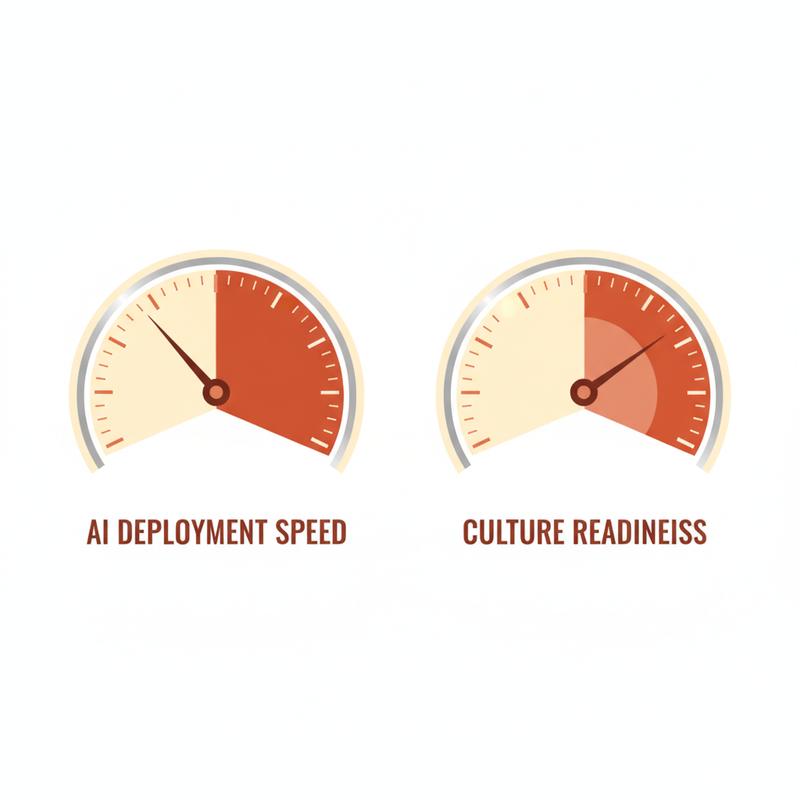
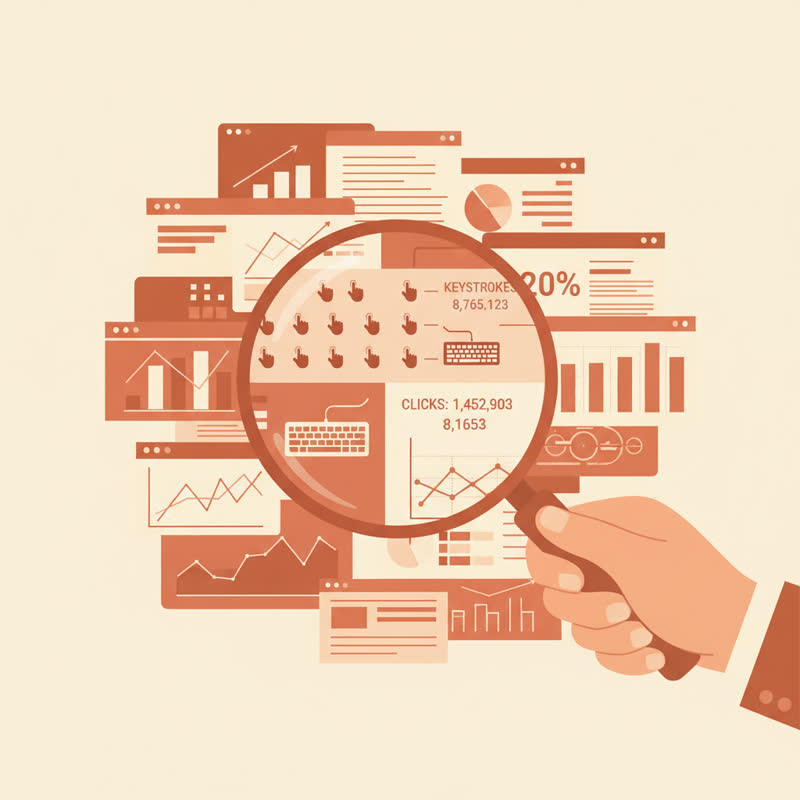
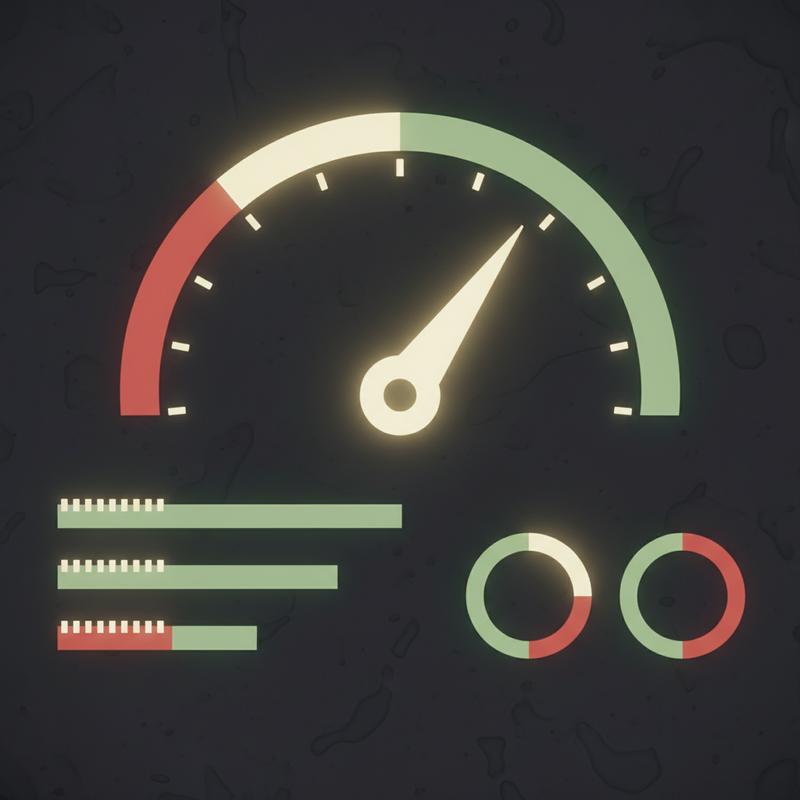
So we have two numbers. What people feel, and what a stopwatch records. If your AI strategy rests on how your team feels, you are managing a mood.
AI Amplifies What You Already Are
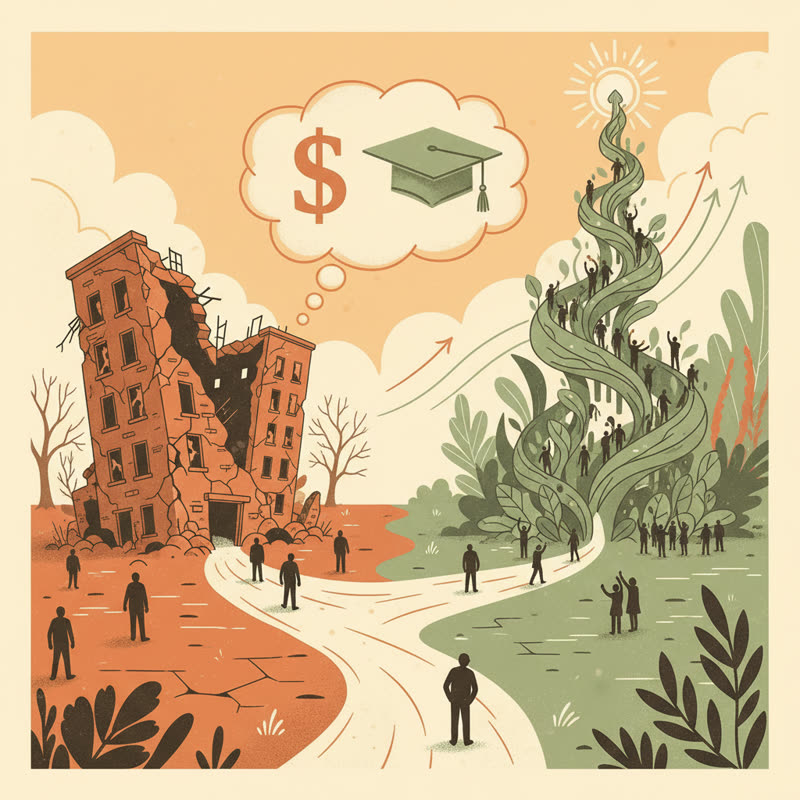
Google's DORA research landed on the cleanest framing I have seen. Their 2025 report on AI-assisted software development concluded AI functions as an amplifier. It magnifies the strengths of high-performing organizations and the dysfunctions of struggling ones.
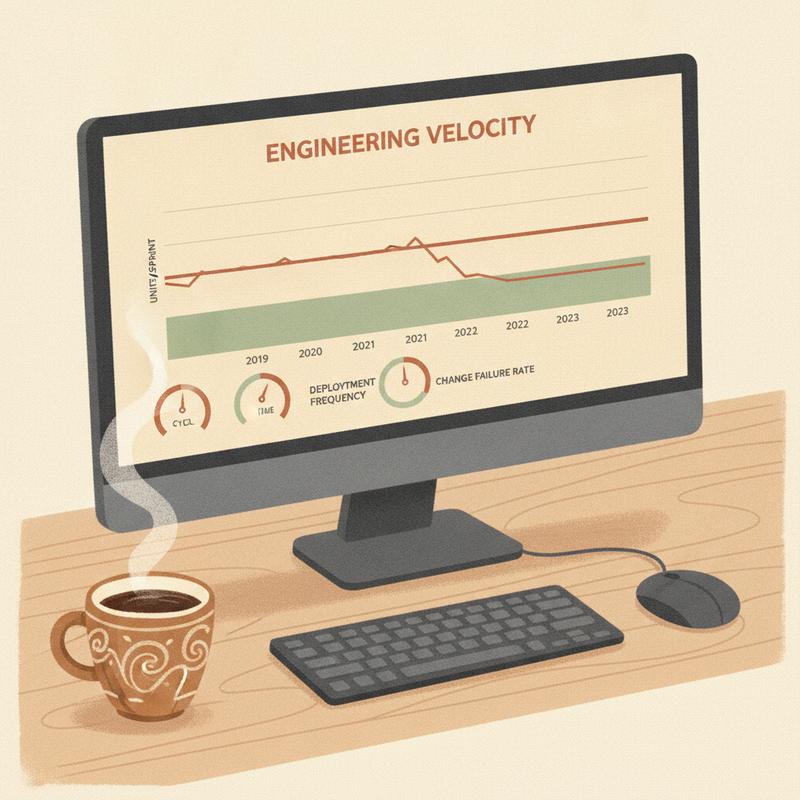
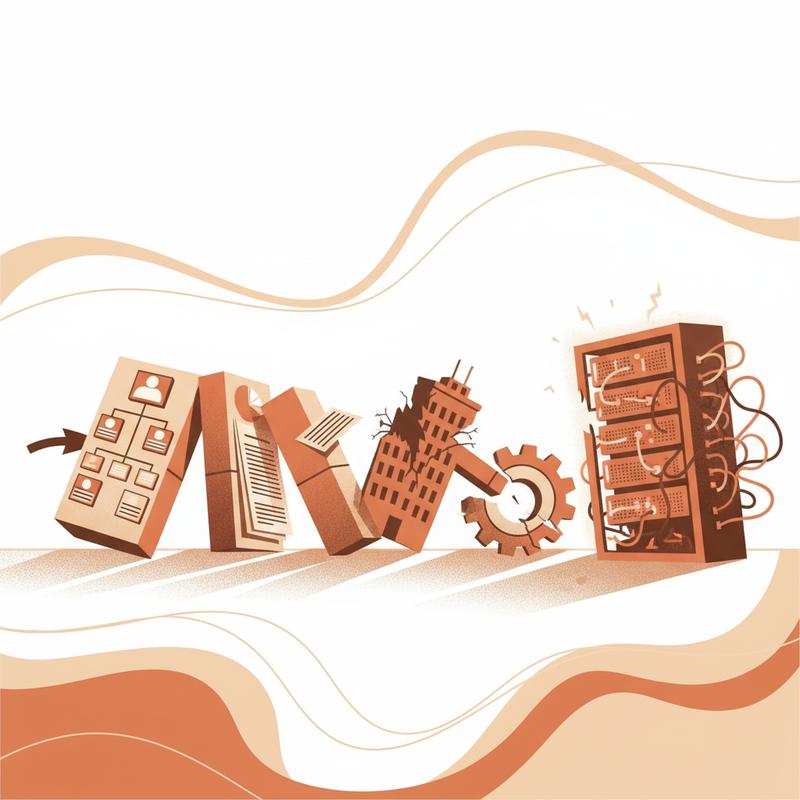
Same report, same year: throughput went up alongside AI adoption, and delivery instability kept rising with it. Faster, and more broken. The "fail fast, fix fast" reflex did not cover the difference.
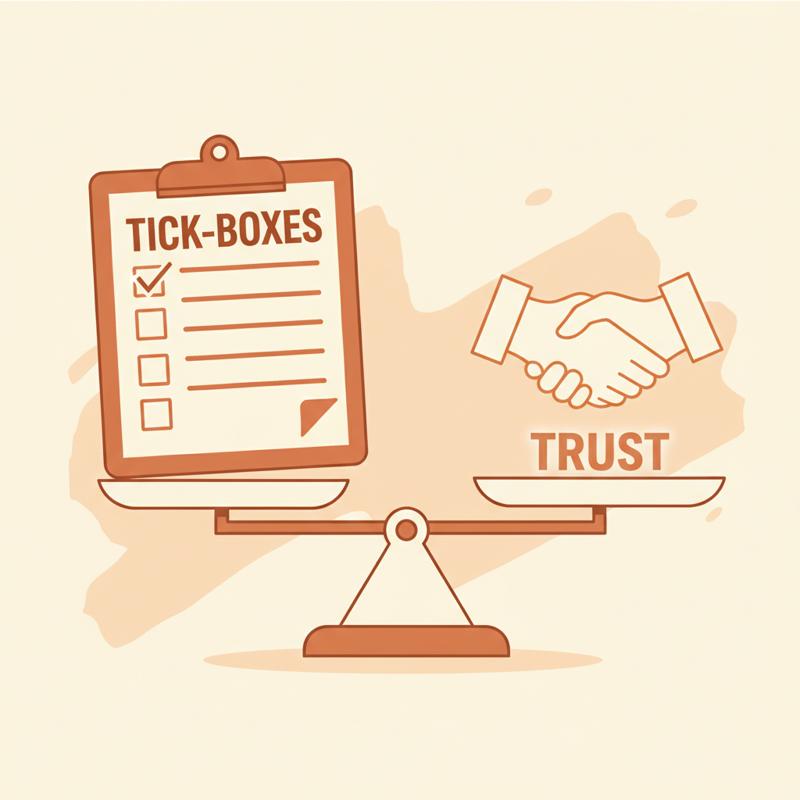
Nearly 90% of technology professionals now use AI at work. Trust tells a different story. Data cited in the same coverage shows 46% of developers distrust AI accuracy, and only 3% report high trust in what it produces.
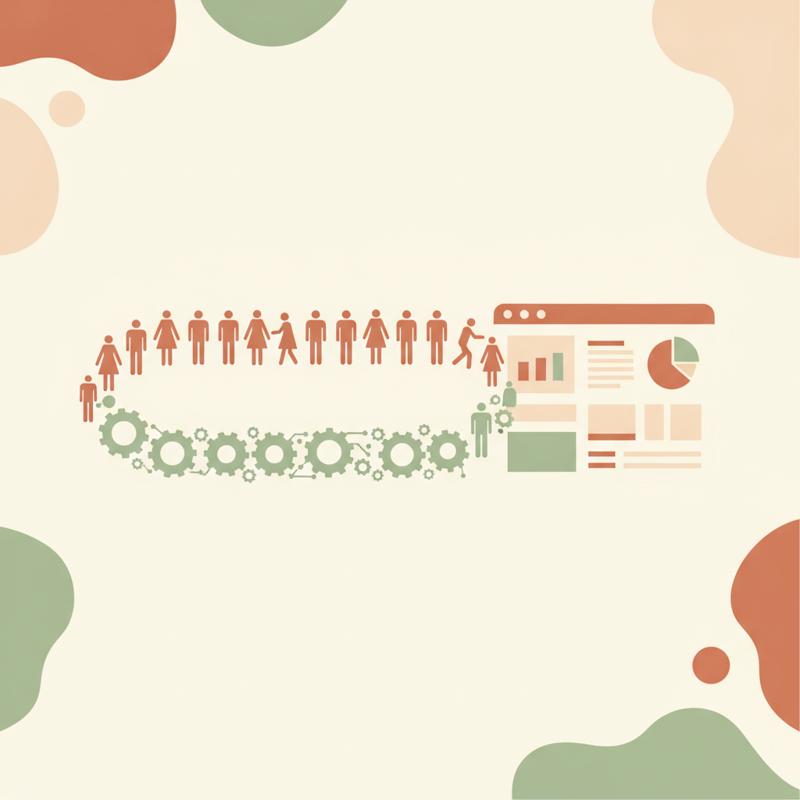
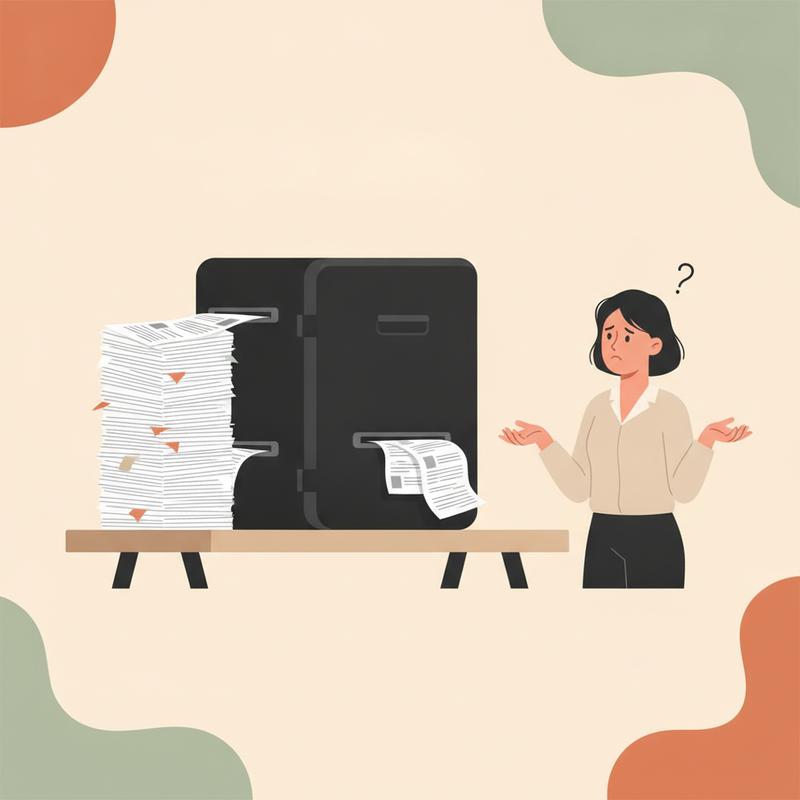
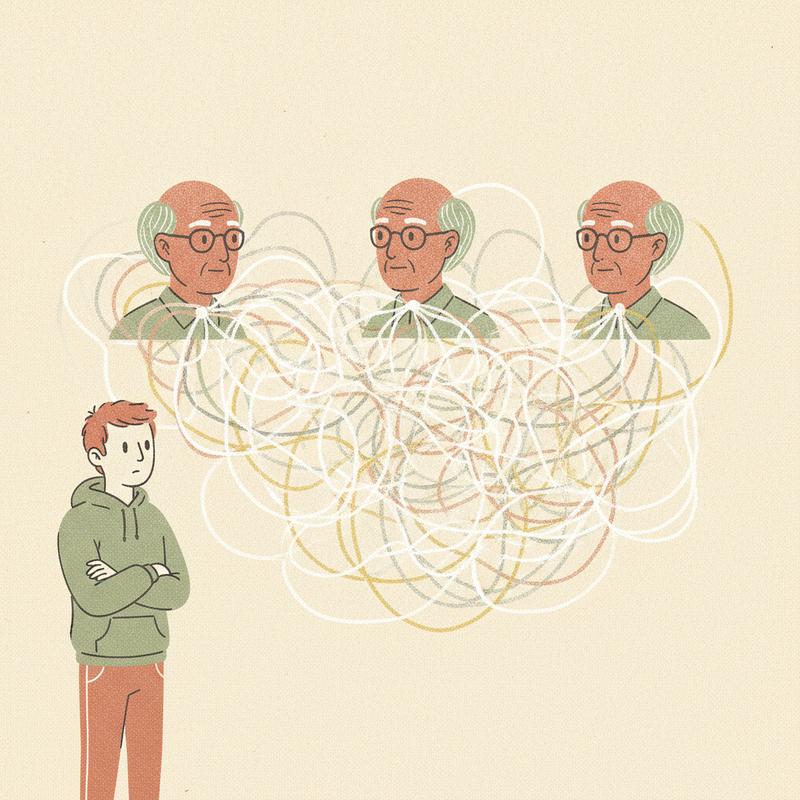
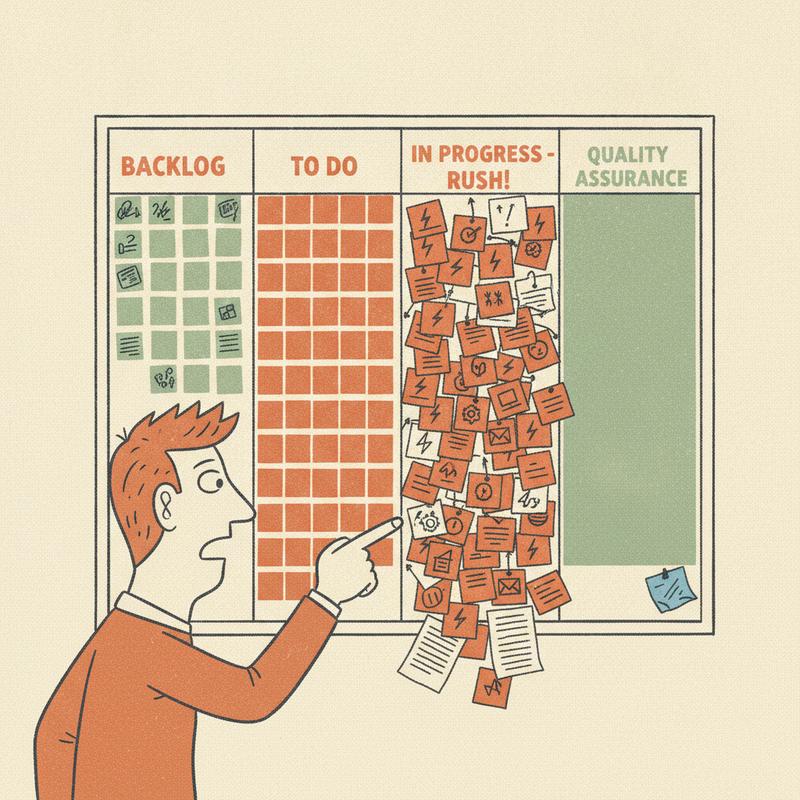
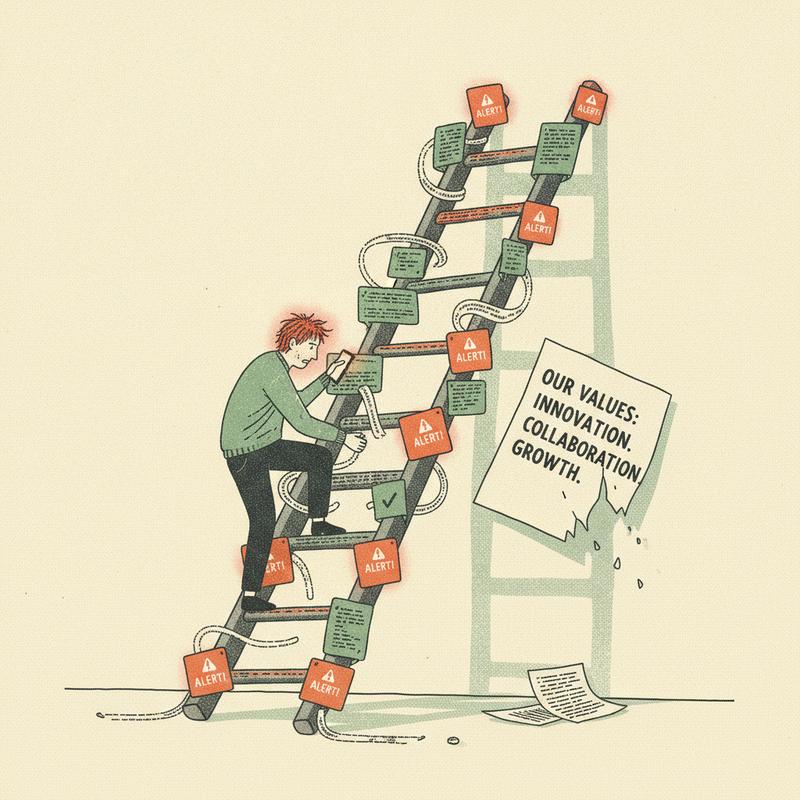
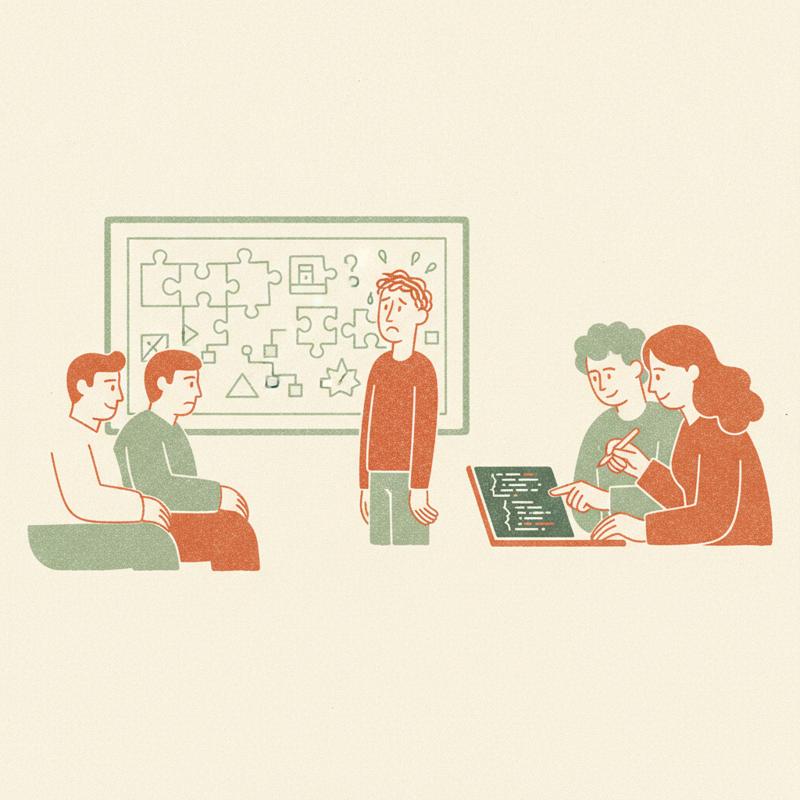
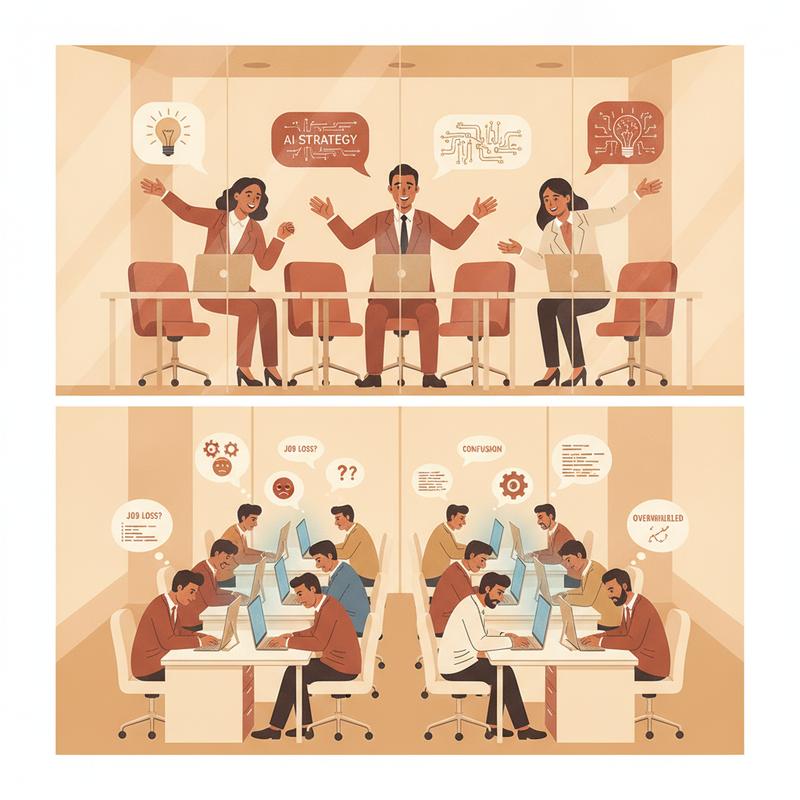
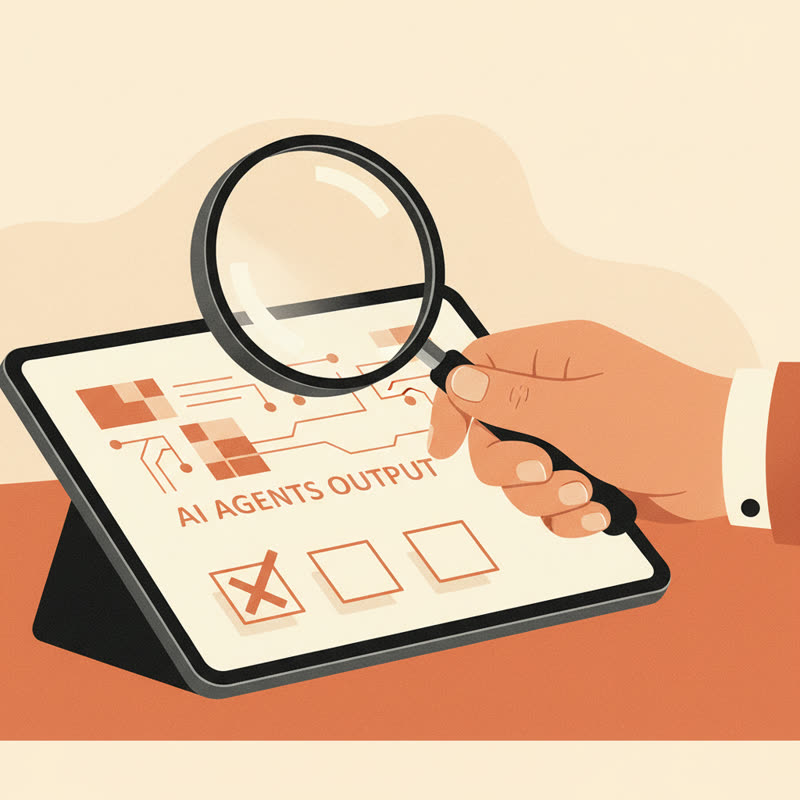
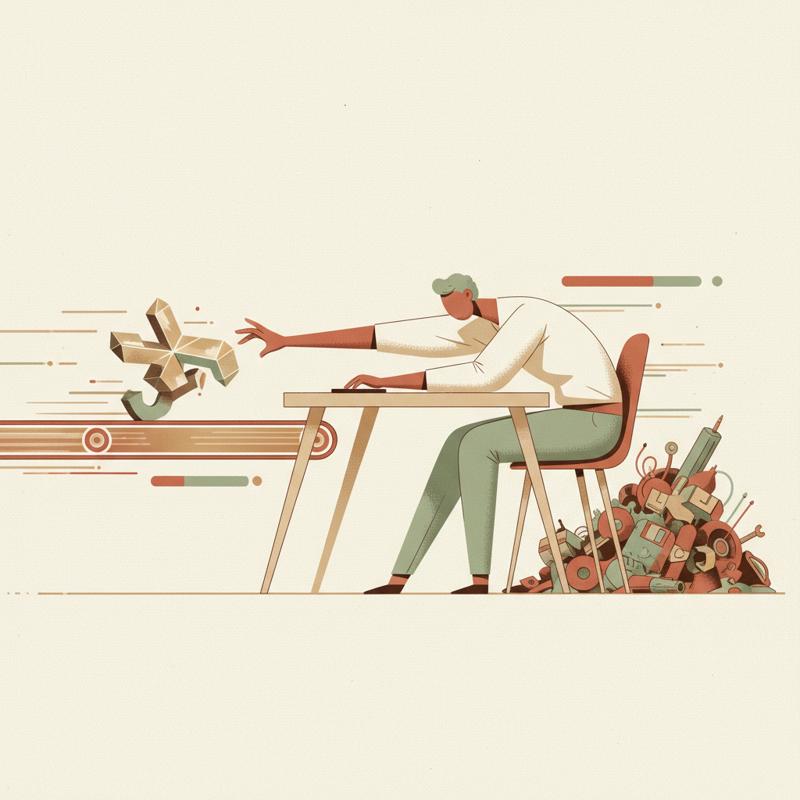
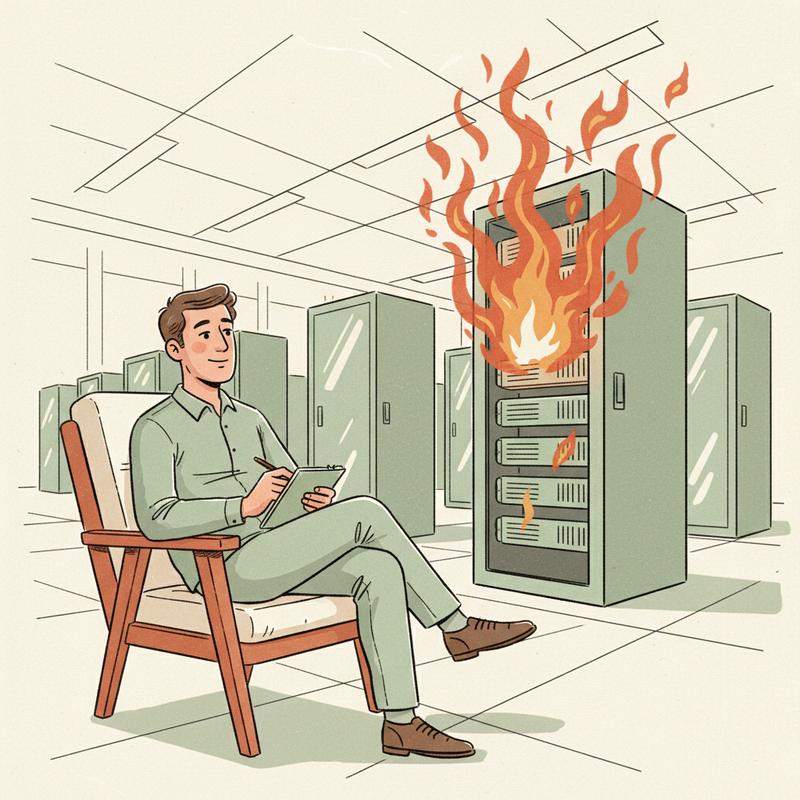
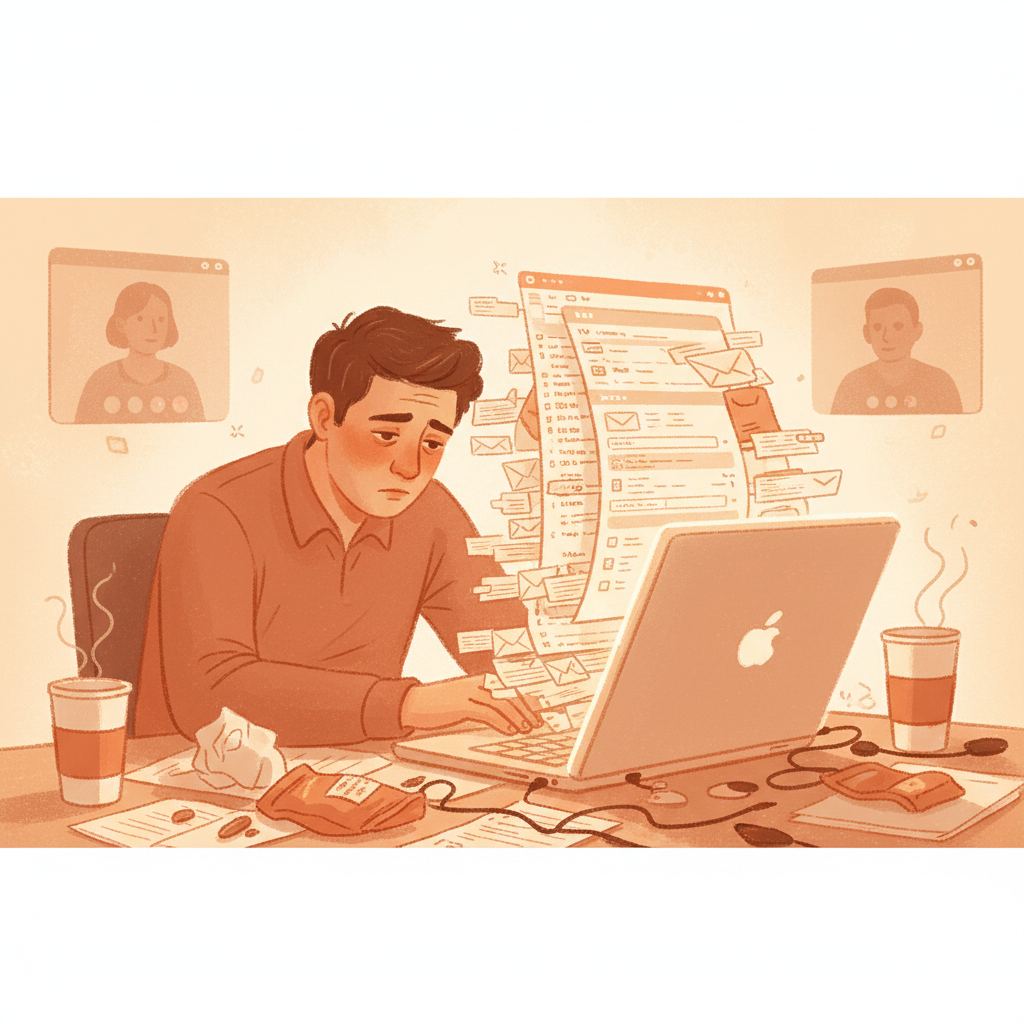
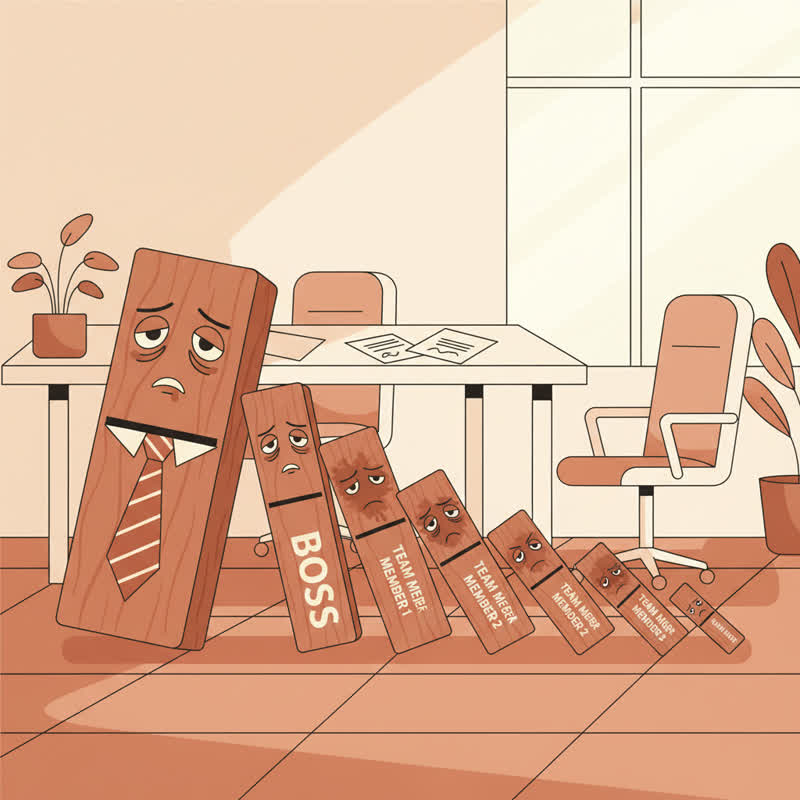
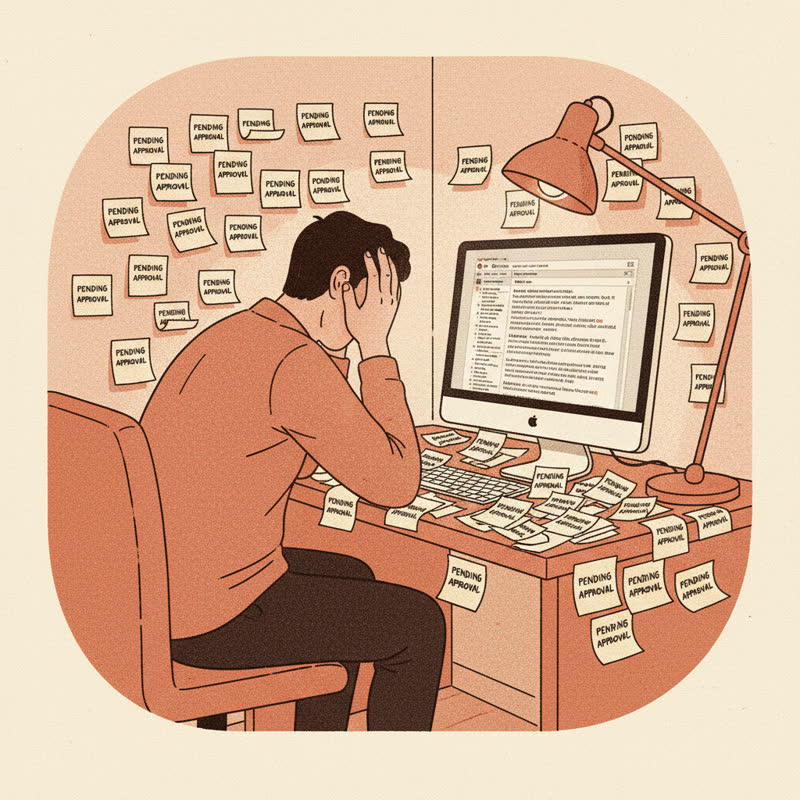
Think about the position this puts your team in. Near-universal usage. Near-zero trust. Every output needs verification, and nobody has designed the verification step. So it happens inconsistently, by whoever feels like doing it, on whichever day they have time.
Nobody fixes this with a better prompt.
Why the Domain Expert Wins
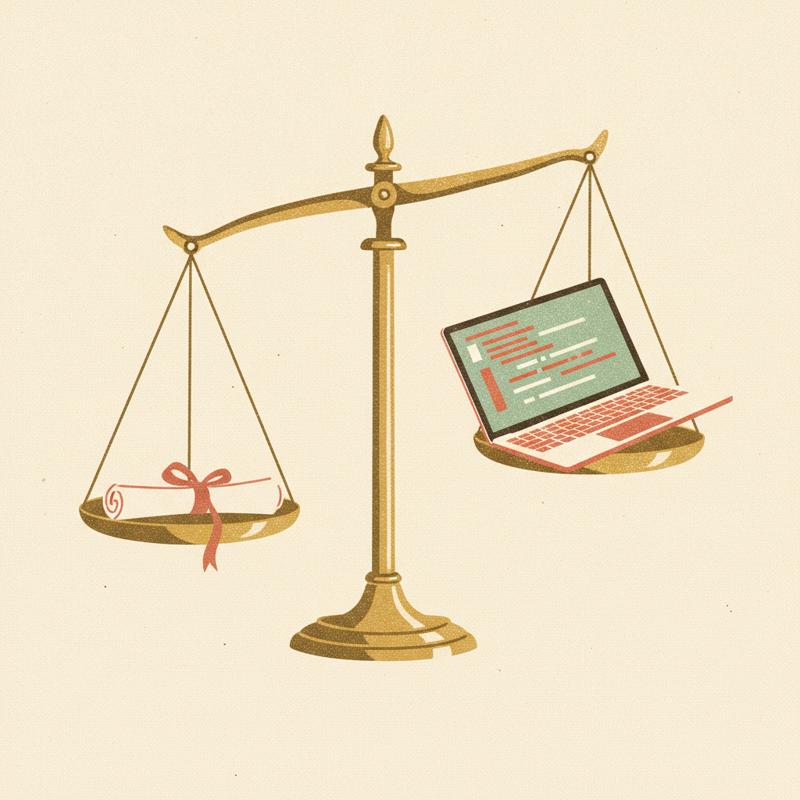
The specialist who knows the work beats the specialist who knows the tool. Consistently.
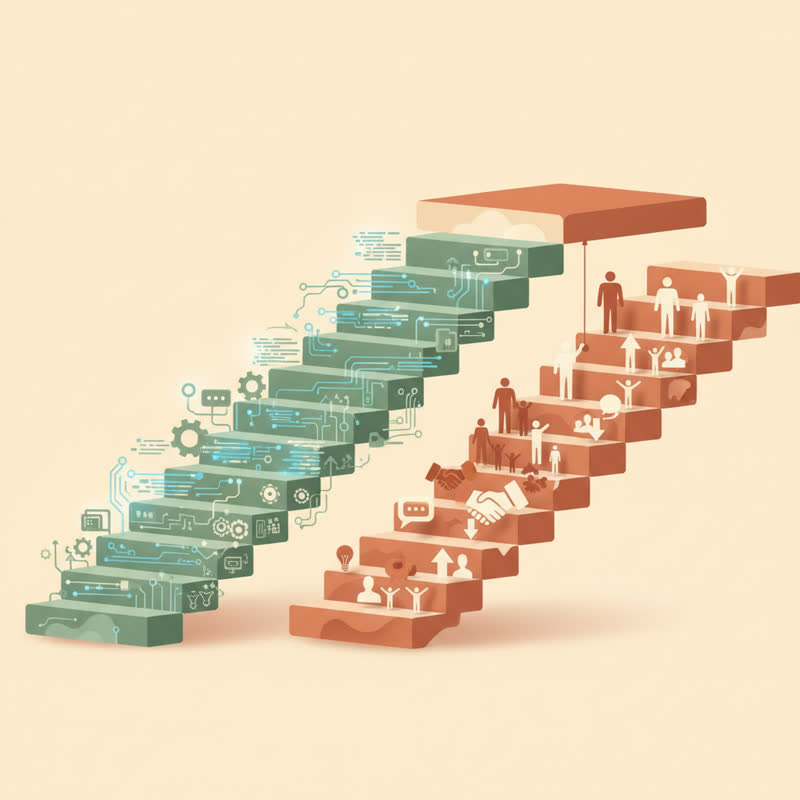
Here is the reason. Getting value from a model requires three things: knowing what "correct" looks like, knowing where the task breaks, and knowing which parts deserve a human. Those three things come from doing the work for a decade. They do not come from a prompt course.
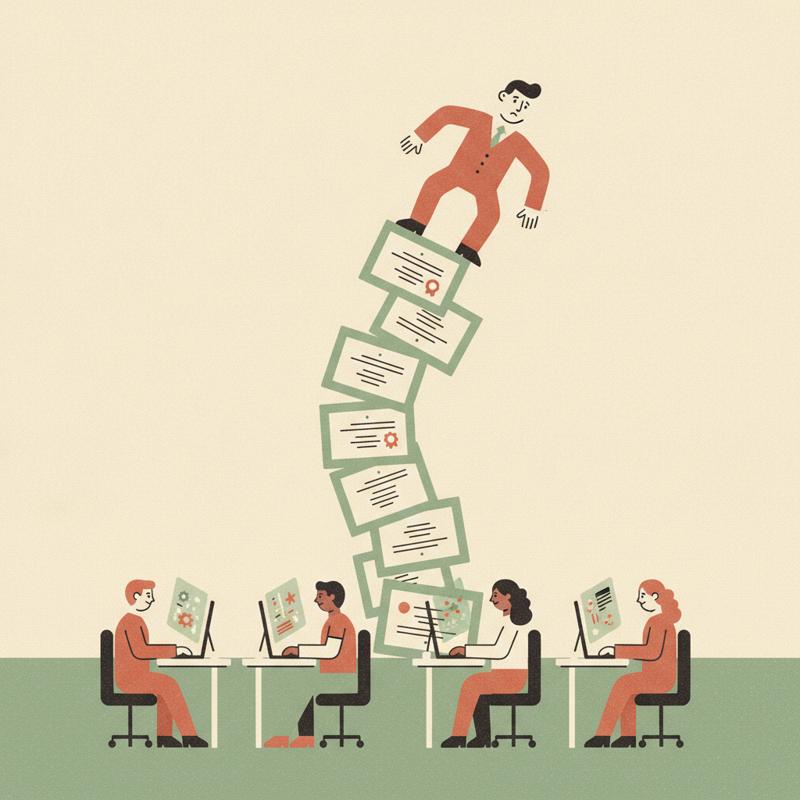
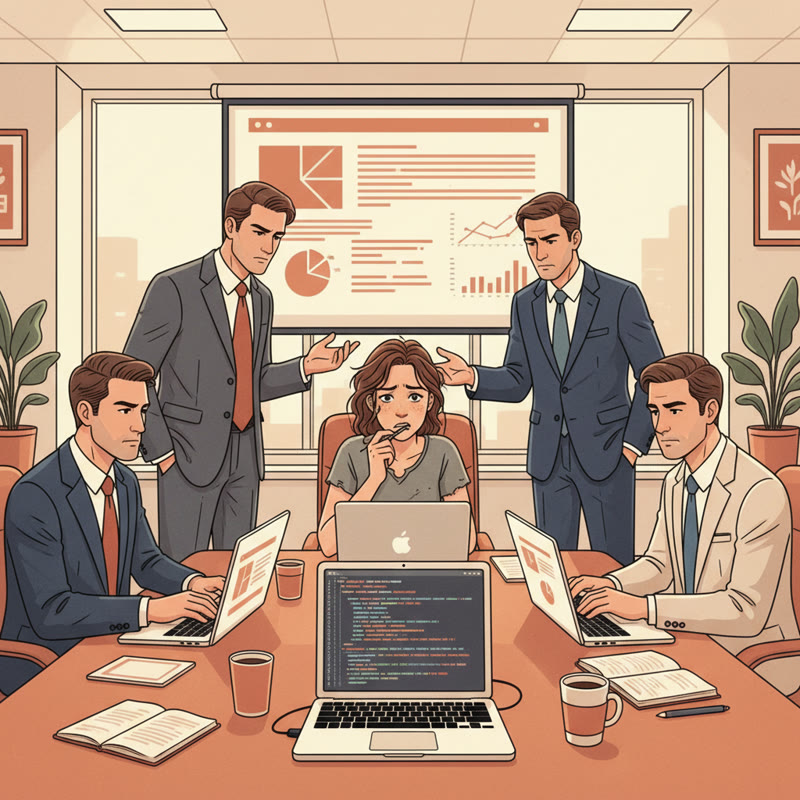
A prompt engineer with no domain knowledge writes a beautiful request and has no idea the answer is wrong. A payroll specialist with a clumsy prompt spots the error in two seconds, because they have seen the error before. Give the payroll specialist a repeatable workflow and you have something a competitor struggles to copy.
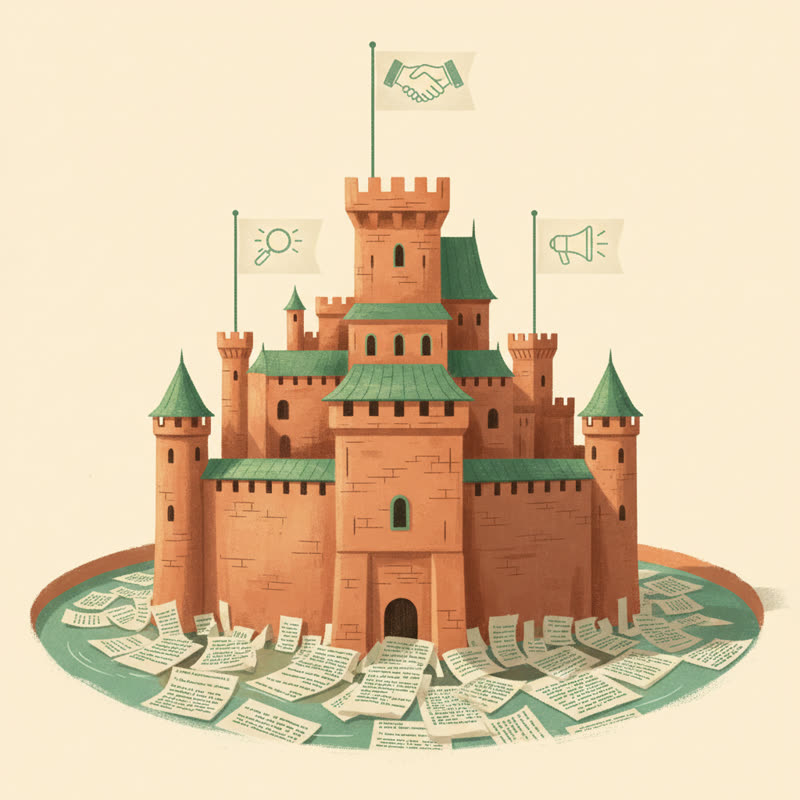
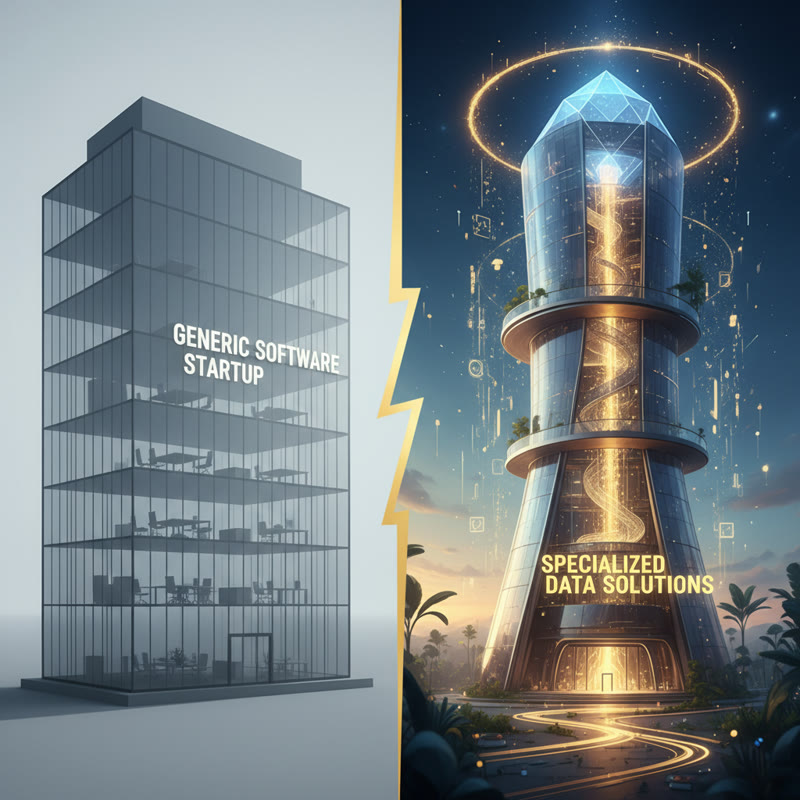
Model access is a commodity. Anybody with a credit card gets the same frontier model you have. Your domain knowledge, encoded into a process, is not a commodity.
Three Questions Before You Automate Anything
I ask these before letting a model near a workflow. They take ten minutes and save months.
1. What does "wrong" look like, and who notices?
If you struggle to describe a bad output, you are not ready to automate. Write down three examples of failure. Name the person who catches each one. If the answer is "the customer," stop.
2. How narrow is the task?
"Help with recruitment" is not a task. "Extract the five required qualifications from a job description into a fixed list" is a task. Narrow tasks have checkable outputs. Broad tasks produce plausible mush nobody verifies.
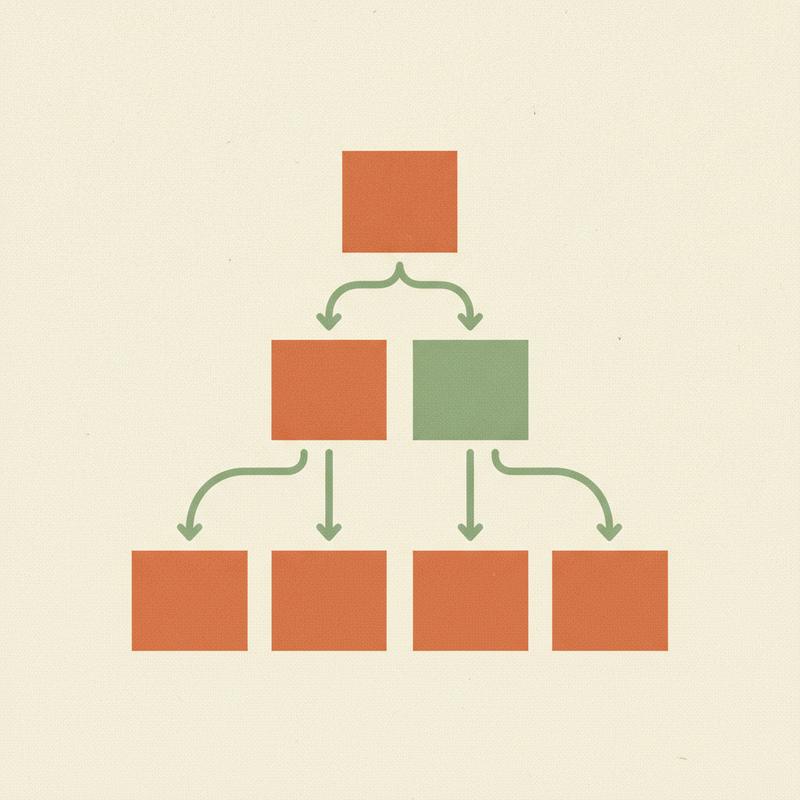
Cut the work into steps small enough to inspect. Then automate the steps, not the job.
3. Does the process survive without the person who built it?
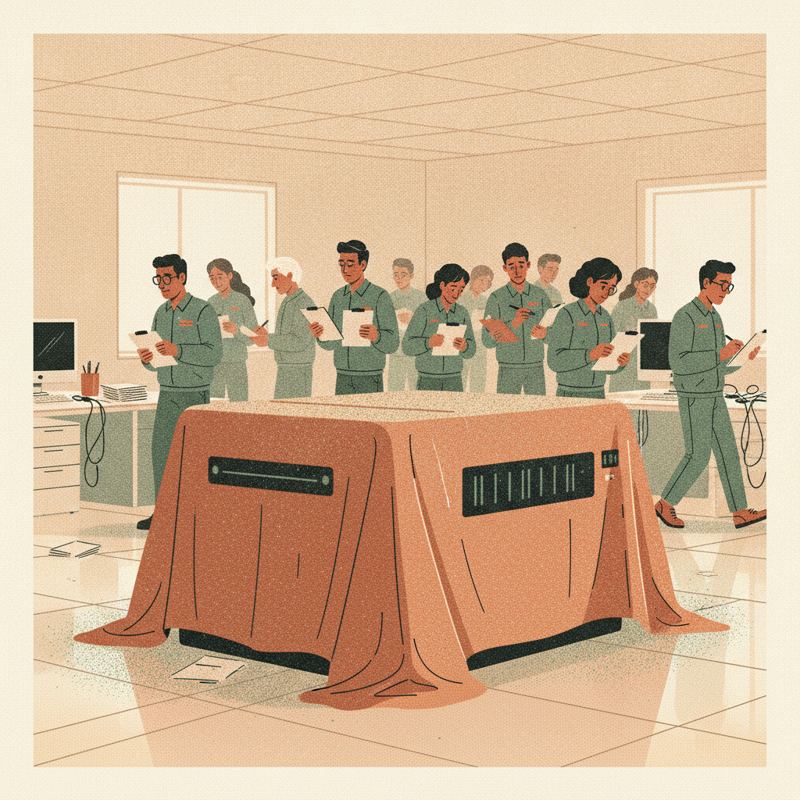
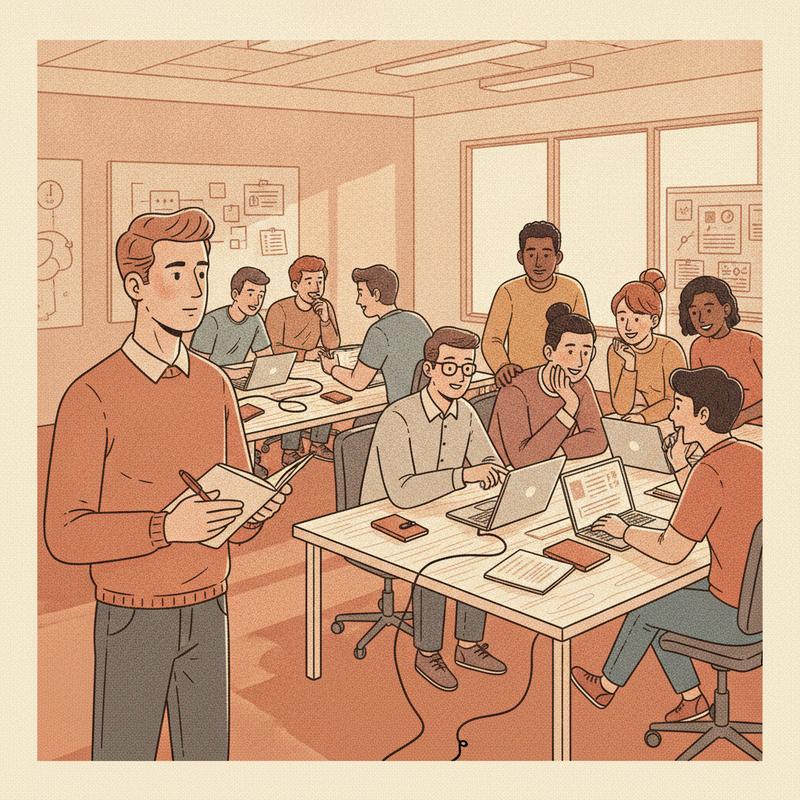
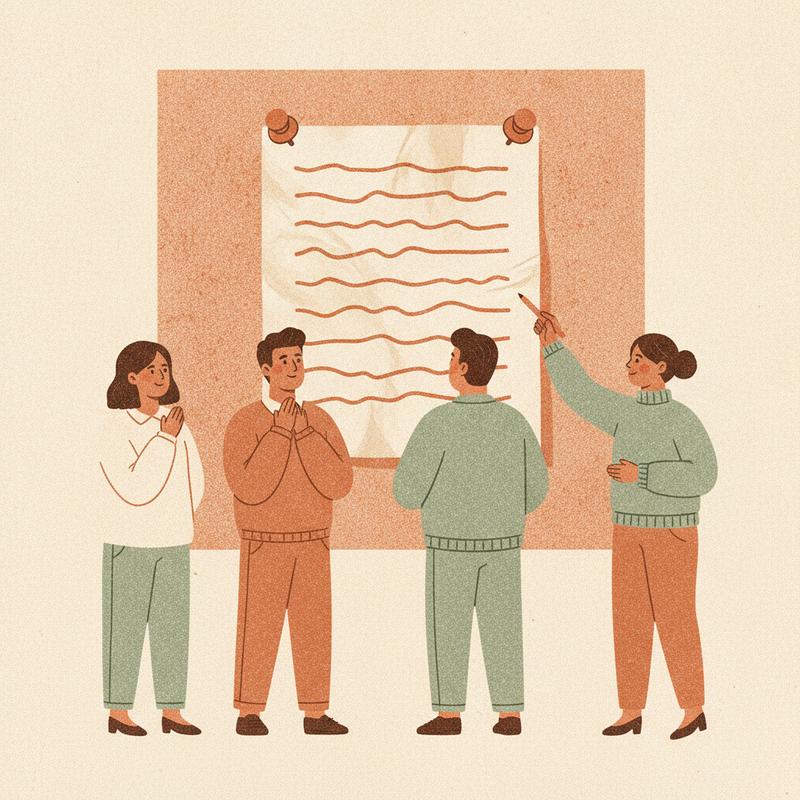
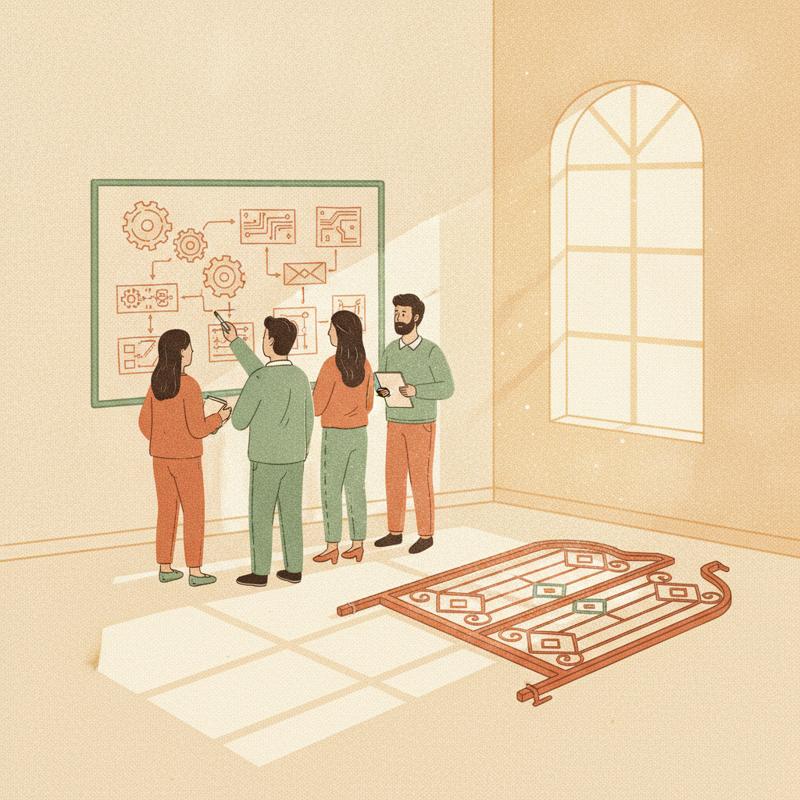
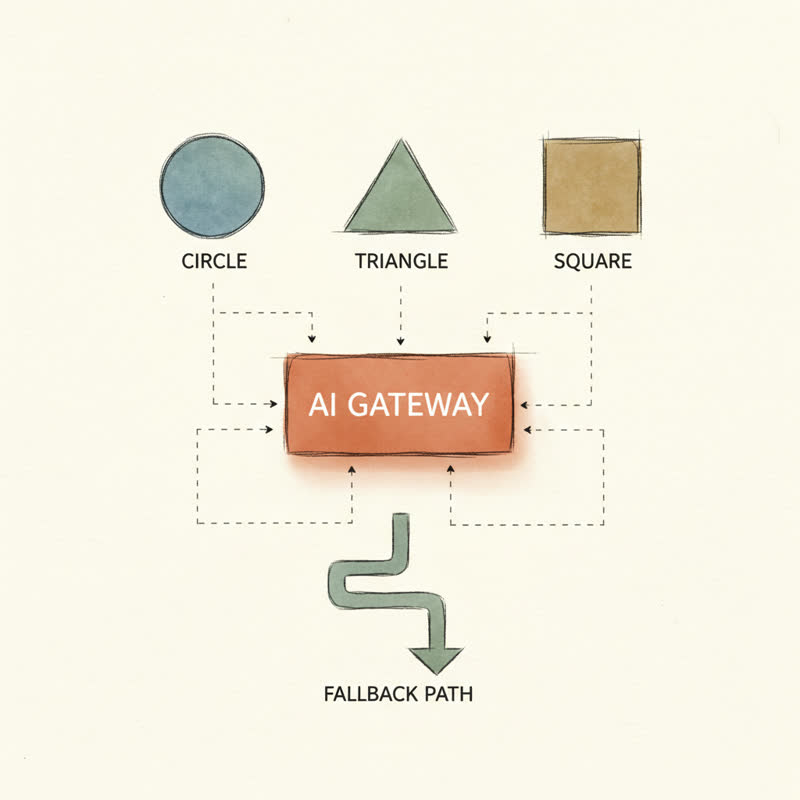
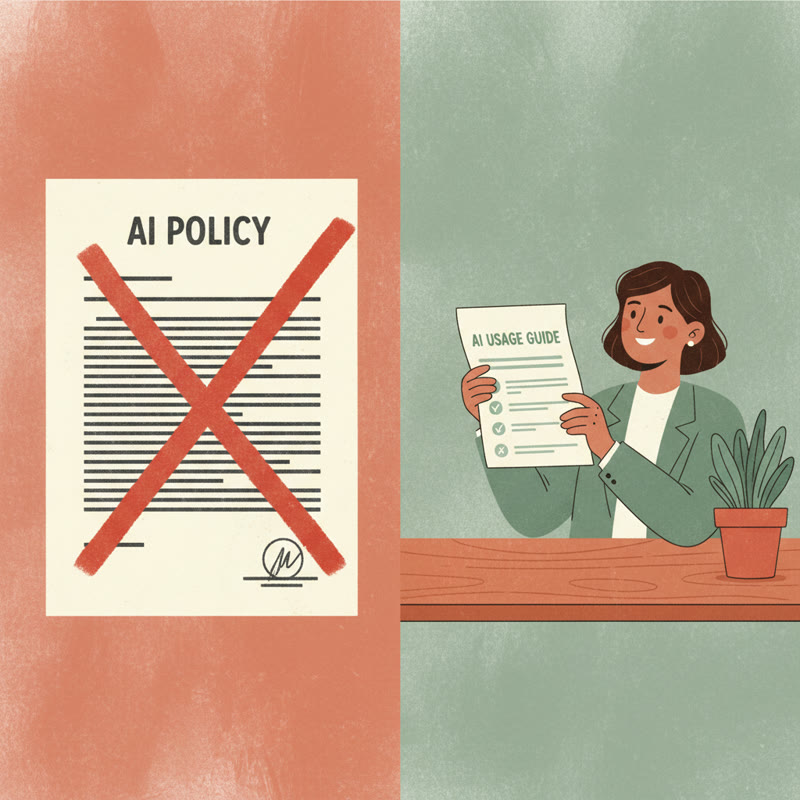
If your AI workflow lives in one person's chat history, you own nothing. Write it down. Version it. Put the inputs, the check, and the escalation path in a document a new hire reads on day one.
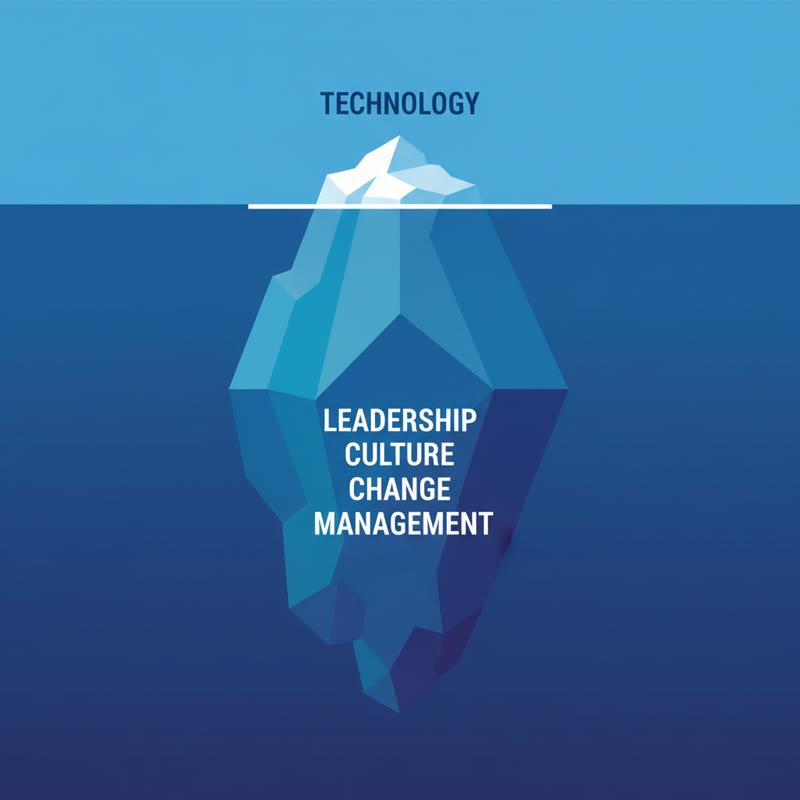
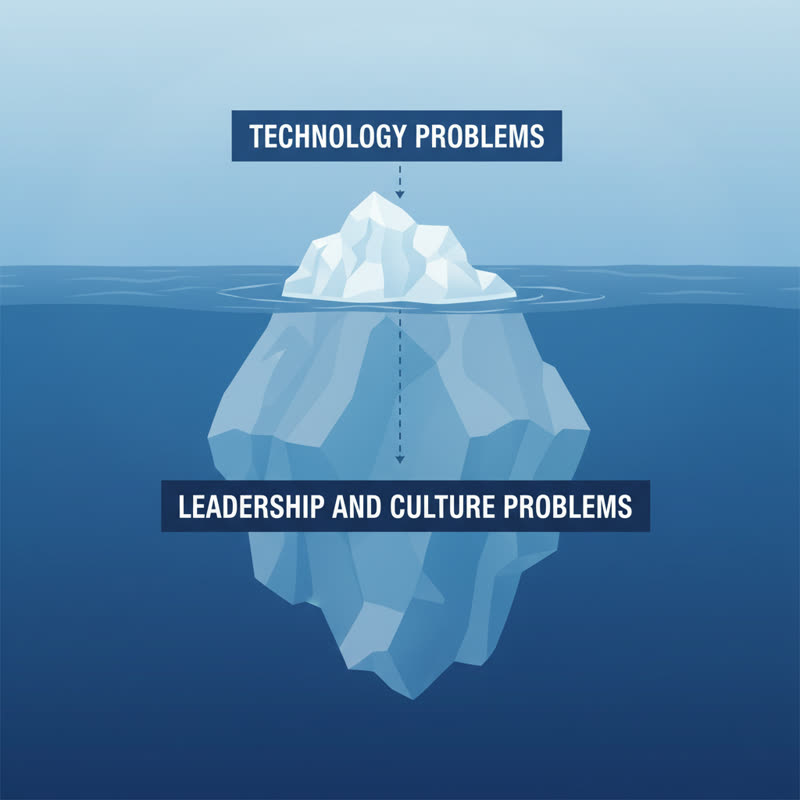
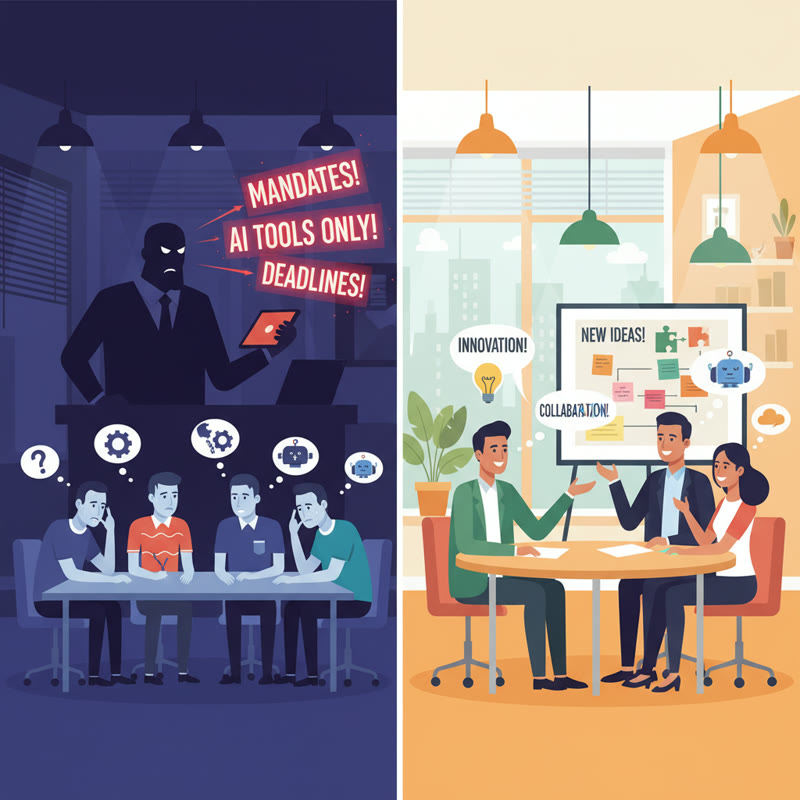
This Is a Leadership Problem Wearing a Tech Costume
Notice what none of those questions mention. Model choice. Vendor. Context window. Prompt phrasing.
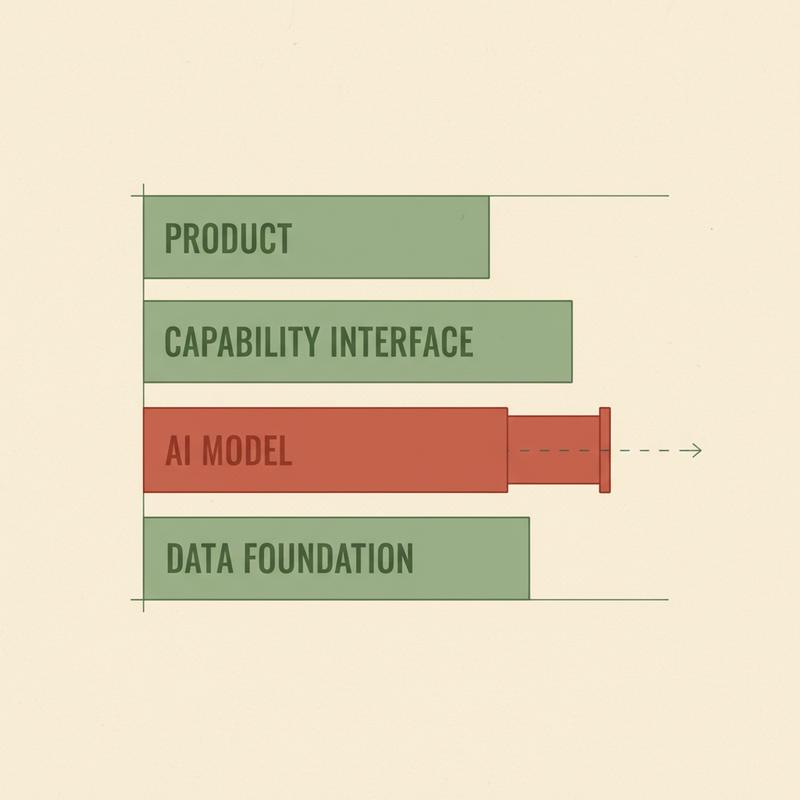
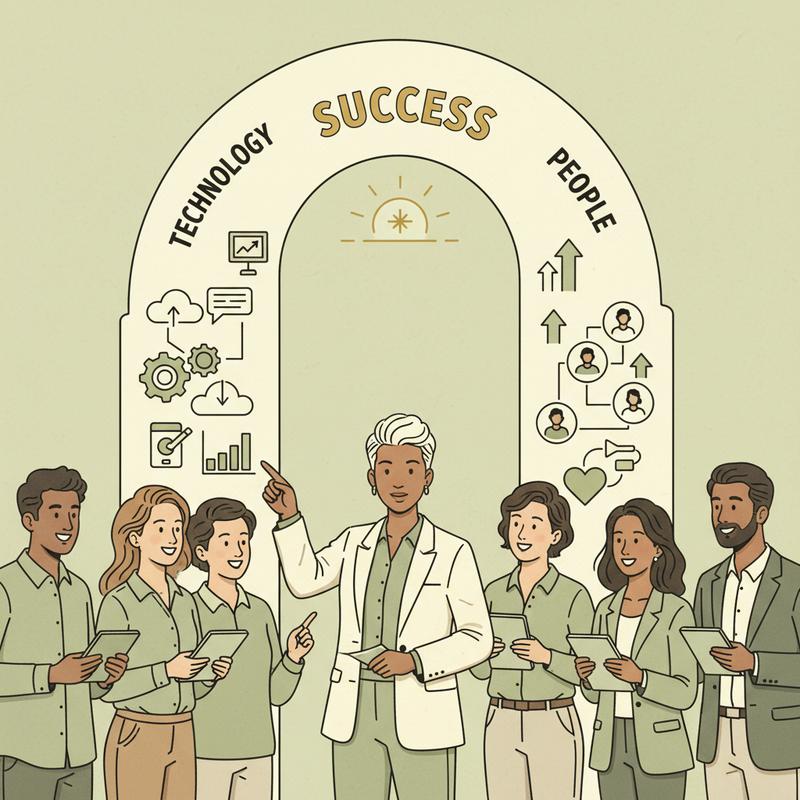
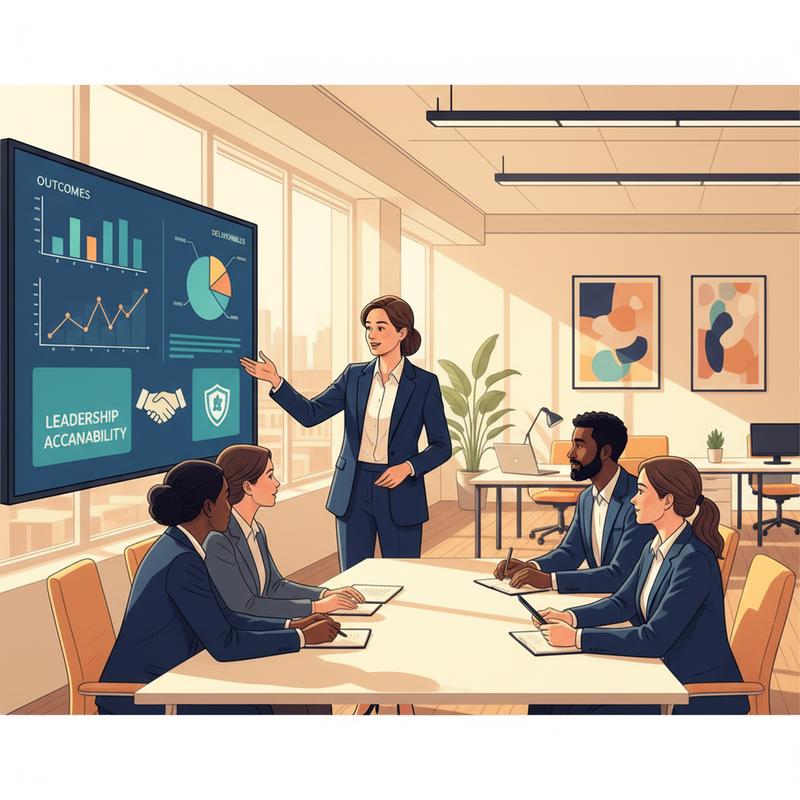
They ask about standards, ownership, and accountability. Those are leadership questions. The DORA finding says the same thing in research language: foundational systems change beats tool deployment.
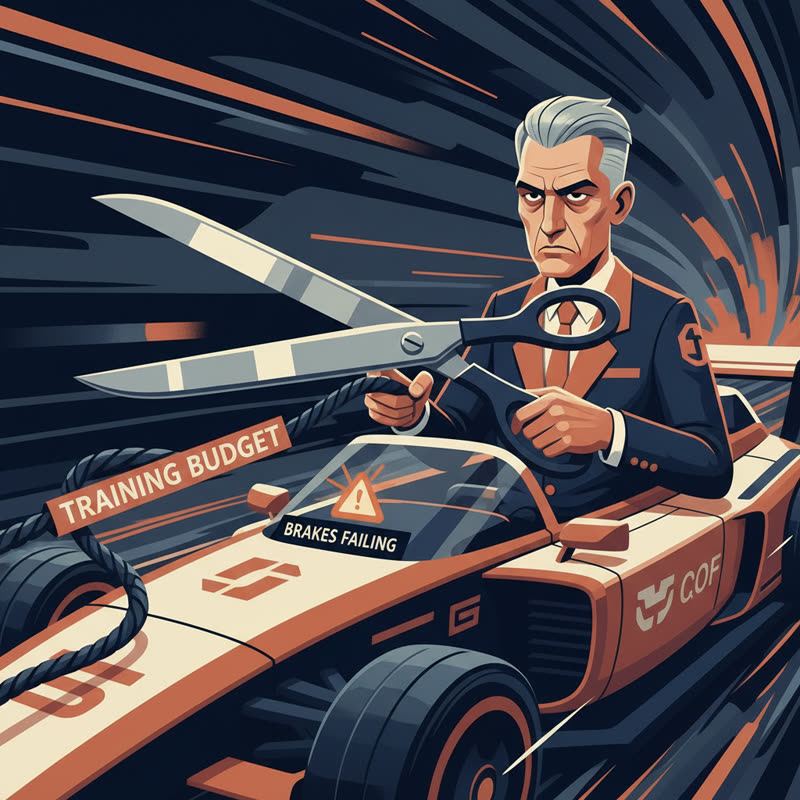
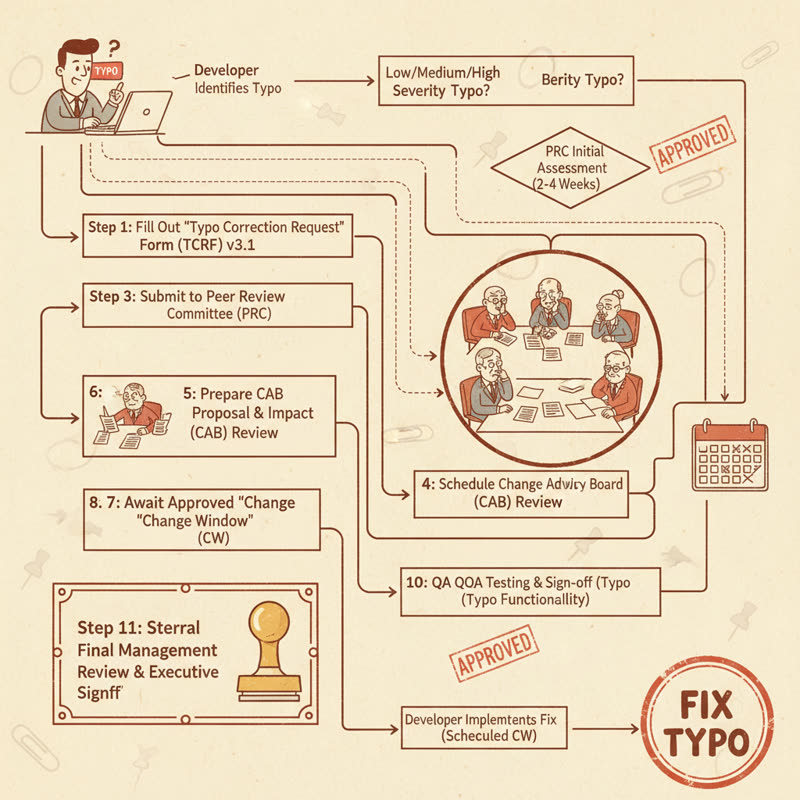
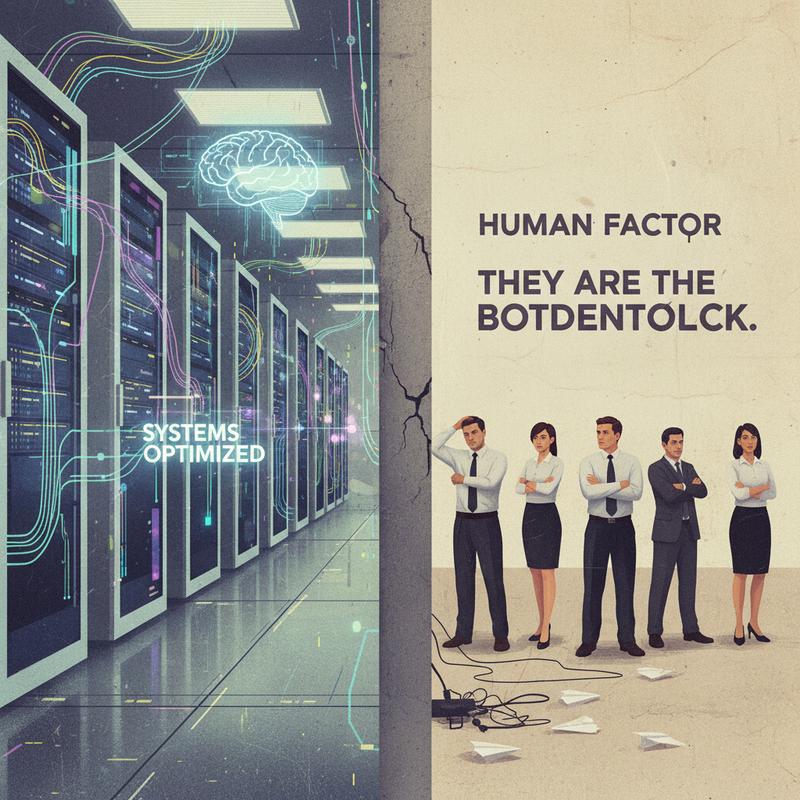
I have spent years arguing over at Step It Up HR about people problems getting misdiagnosed as process problems. AI flipped the failure mode. Now process problems get misdiagnosed as AI problems. Your team is not underperforming because they lack a better model. They are underperforming because nobody defined what good looks like, and the model made it faster to produce work nobody checks.
DORA published an AI capabilities model for teams wanting a structured starting point. Worth a read before your next tooling decision.
What To Do Monday
Pick one workflow your team already runs with AI. One. Then:
- Write down the inputs it needs every single time
- Write down what a wrong answer looks like
- Name the human who checks it
- Run it twice and time it, with and without AI
Do not trust the feeling. Time it. The METR developers felt 20% faster while being 19% slower, and they were experts working in their own code.
Then delete the prompt library. Nobody was reading it anyway.
What workflow on your team has an AI step nobody verifies? Find it this week. Design it. Then measure it.