Ian Pettigrew told me something on Corey-osity Unleashed I keep coming back to. He optimizes for impact, not income. And the older he gets, the more impact turns into something else... legacy.
His book, Hope Is a Strategy, is the result. A workshop reaches the twenty people in the room. A book reaches whoever picks it up, years after the room has emptied.
I've run plenty of rooms. I know how they end.
Every Workshop Ends at Five
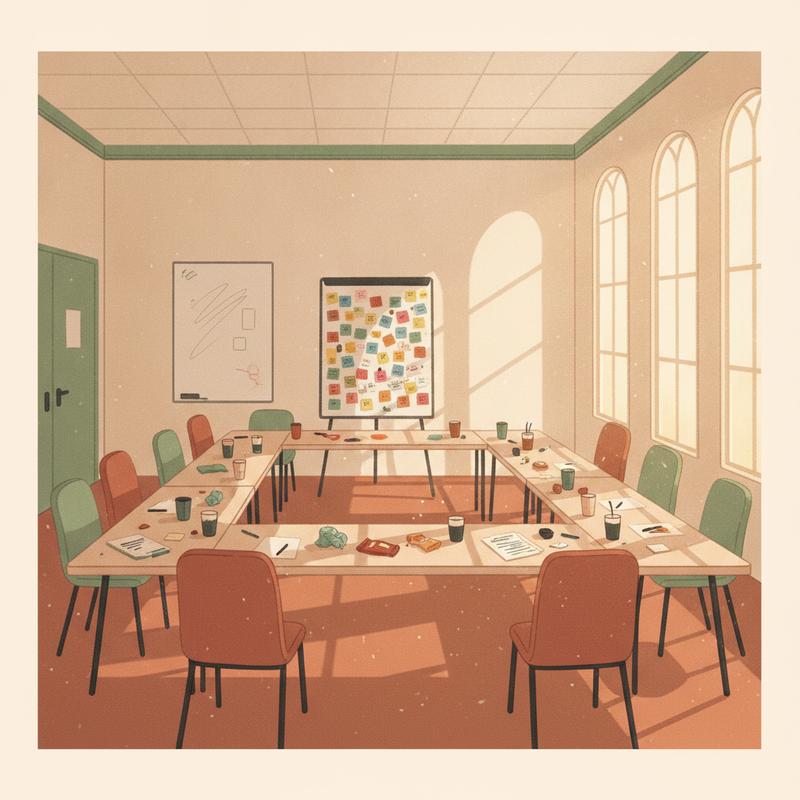
You know the scene. Chairs pushed back. Half-drunk coffee. A flipchart covered in sticky notes nobody will photograph. Everyone says the day was great. Some of them mean it.
Then Monday arrives. The inbox wins. In my experience, a month later most of the energy from the room has gone.
None of this makes workshops worthless. I love a good room. The energy is real. But a room has a hard edge. It holds the people inside it, for the hours you booked, and then it closes.
Ian saw the edge. His answer was to take what he teaches in rooms and put it somewhere without one.
Income Counts Hours. Impact Counts People.
Here is the trade most of us make without noticing. Income rewards you for time sold. More days, more fees. Impact rewards you for how far an idea travels after you stop talking.
Those two pull in different directions. The best-paid move is usually the next workshop. The highest-impact move is often months of slow, unpaid work writing something down properly.
Ian picked the second. I respect it, because I know how much easier the first one is. A booked day pays this month. A book pays back in ways you won't see on an invoice. One reviewer on his book page writes about using his HOPE Playsheet for many years and seeing it change mindsets and outcomes. Ian wasn't in the room for most of those conversations. The tool was.
The Room Feeds the Book
Don't read this as "workshops bad, books good." Ian didn't walk away from rooms. He used them.
Every session taught him which parts of the hope research landed and which parts made eyes glaze over. Which examples worked. Which questions people asked at the coffee break. The book is the distilled version of all those rooms... hope research made accessible to the people who need it, without a facilitator standing next to them.
Nobody gets to skip the rooms. You earn the right to write the book by teaching the thing to real people, over and over, and watching where they get stuck.
So the question isn't rooms or legacy. It's whether your rooms ever turn into anything beyond the day itself.
Legacy Has a Trap
Here's my warning. Legacy goes wrong when it turns into a monument.
A monument is about you. Your name on the building. Your methodology with your initials on it. Your framework everyone has to use, long after it stopped fitting.
Ian's version points the other way. The book isn't there so people remember Ian. It's there so people find hope when they need it. If a reader never learns his name but uses the playsheet with their struggling team, the book did its job.
Ask yourself which one you're building. A monument needs you in the middle of it. A legacy works fine with you out of the picture.
Why the Pull Grows With Age
Ian said the shift toward legacy grows as he gets older. The research backs him up.
Erik Erikson named it decades ago. His seventh stage of life, roughly ages 40 to 65, is generativity versus stagnation. Generativity means caring about the next generation and nurturing it through parenting, teaching and mentoring. Stagnation is the other road... a career on autopilot, regret about past choices and a nagging sense of uselessness.
Laura Carstensen adds a second piece. Her socioemotional selectivity theory argues your sense of time left shapes your goals. When the future feels open-ended, you chase knowledge and new experiences. When time feels limited, you put emotionally meaningful goals first.
Here's the part I like. Carstensen's team found the shift isn't locked to age. Change how much time someone believes they have, and their goals change too, young or old.
So you don't have to wait until sixty to think about legacy. You only have to look at the clock honestly. I wrote about a version of this in What Would You Regret at 100?
Ten Minutes of Writing Changed Behavior
The study I find most useful comes from 2015. Lisa Zaval, Ezra Markowitz and Elke Weber asked people to write a short essay about what they want future generations to remember them for. A control group skipped the essay.
The essay writers then gave more to an environmental charity. They also reported stronger intentions to act on climate change and stronger beliefs about it.
One short piece of writing. A measurable shift in behavior. The effects were modest... replication notes on the study put the original effect sizes between d = 0.23 and d = 0.36. But the method costs nothing and takes minutes.
Legacy isn't a vanity project for retired executives. It works as a lens. Ask "what will outlast me?" and today's choices start to look different.
Your Version Doesn't Have to Be a Book
Most people reading this won't write a book. Fine. Ian's point isn't about publishing. It's about building something which keeps working after you leave the room.
For a leader, the list looks like this:
- A person you developed. The engineer you coached into a manager keeps using your lessons long after they stop reporting to you.
- A habit your team keeps. A retro format, a way of disagreeing, a rule about meetings. If it survives your departure, you built it right.
- Something written down. A playbook, a decision log, an onboarding guide. I've argued before for writing your own leadership playbook. Writing is the cheapest way to reach people you'll never meet.
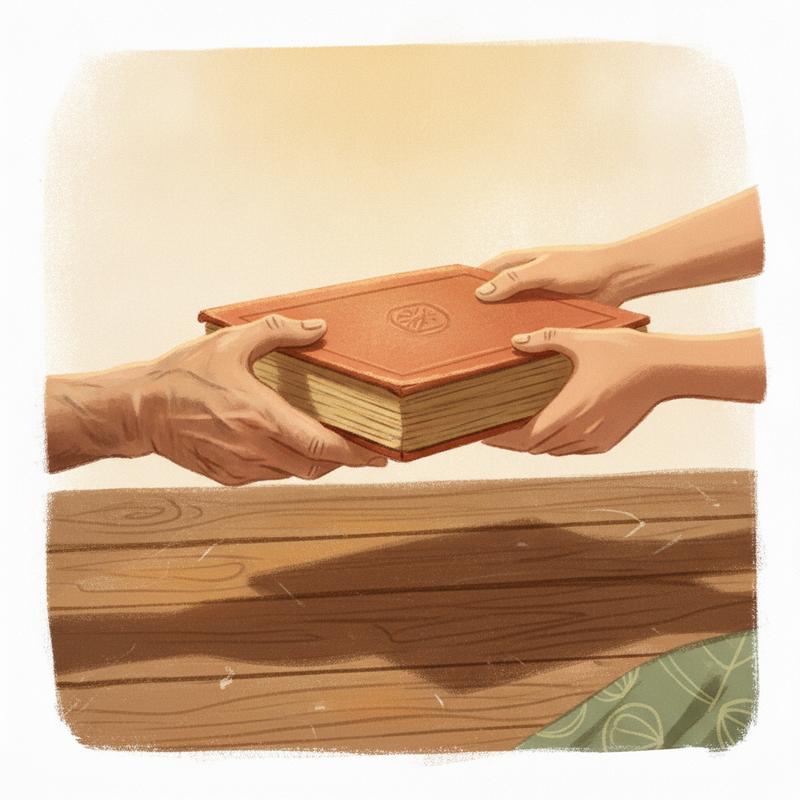
- A book you pass on. You don't have to write one to share one. Share the damn book.
The test is simple. Picture yourself leaving tomorrow. What keeps going without you?
If the answer is "nothing," you've been optimizing for income. Even if your income is a salary rather than a fee.
Why I Keep Writing Here

I'll be honest about my own version. This site holds a few hundred posts now. Every hour I spend on one is an hour I don't spend on paid work.
I keep going because a post works while I sleep. Somebody finds the piece on hope versus optimism at 2am before a hard conversation with their team. I'll never hear about it. Fine by me.
Most weeks the scale still tips toward the paid work. Bills are real. But I've stopped treating the unpaid work as a hobby. It's the part with the longest reach.
Write Your Essay
Run the Zaval experiment on yourself. Take ten minutes tonight. Write down what you want the people you lead to remember you for. Not your title. Not your numbers. What they'll still use after you've gone.
Then open your calendar for next week. How many hours go toward the thing you wrote?
If the answer is zero, you know what to fix. Ian fixed it with a book. What will you build to outlast the room?